




We’ve all skipped the occasional shower, maybe you were running late, maybe it was a lazy Sunday, or maybe you just didn’t feel like it. No judgment. But when skipping showers becomes a regular thing, your body might start reacting in ways you didn’t expect. From bacterial imbalances to downright crusty skin, there’s real science behind what happens when you stop bathing.
A popular explainer video delves into the details, highlighting what happens when you wash too little, or even too much. Here's a breakdown of the most surprising and slightly gross effects of skipping your shower routine.
1. Your skin needs good bacteria
Your skin is home to up to 1,000 species of bacteria and around 80 types of fungus. But before you grab the antibacterial soap, know this: most of these microbes are actually working for you. They help fight off harmful bacteria and even help moisturize your skin by breaking down natural secretions.
"Your skin is basically a crowded party of helpful microbes."
Bathing helps maintain this balance. Skipping too many showers allows harmful bacteria to stick around, especially if you're touching your face, mouth, or eyes with dirty hands. That’s when things get risky.
2. You can get skin infections
Neglecting hygiene tips the balance in favor of bacteria that don't play nice. That means infections like folliculitis, impetigo, or fungal issues can pop up more easily when you skip out on showers.
"Your skin can become a playground for bacteria if you're not washing it."
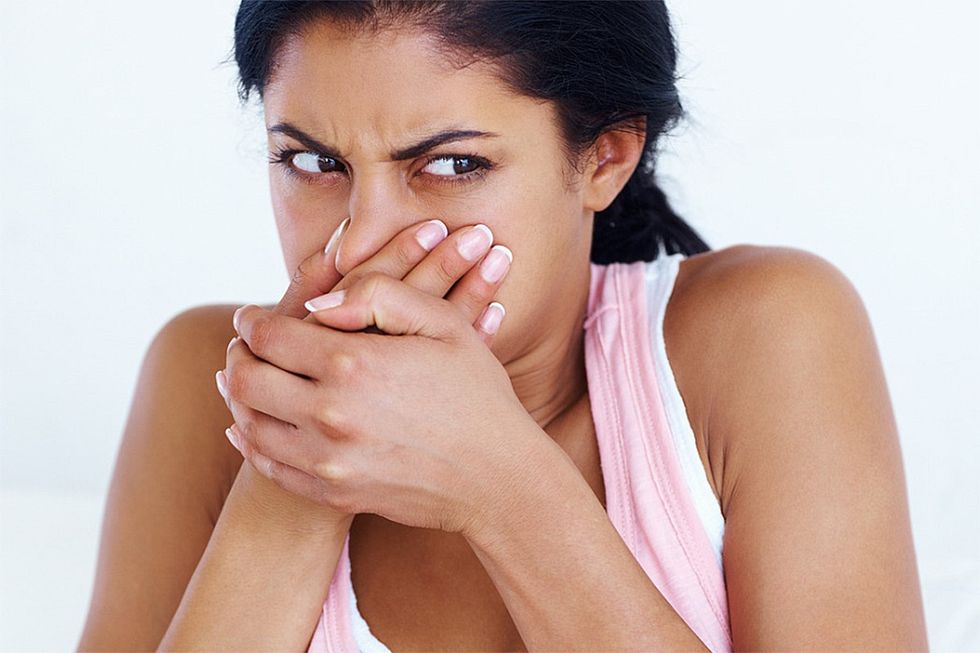 Representative Image: There are real consquences to skipping regular showers. Your friends will be the first to let you know! Canva
3. Some skin conditions are exacerbated
For those with chronic skin issues like acne or eczema, skipping showers can make symptoms worse. Dirt, sweat, oil, and dead skin cells build up and can clog pores or aggravate inflammation.
"Dirt and oil don’t just disappear, they pile up."
4. You develop crusts of dirt on your skin
This isn’t just urban legend. There's an actual condition called dermatitis neglecta that happens when you really, really don’t bathe. According to the National Institute of Health, it shows up as thick brown plaques made of bacteria, sweat, and dead skin. Basically, your body starts forming actual crusts of grime. Not cute.
5. You smell
It’s not the sweat itself that smells, sweat is odorless. The odor comes from bacteria on your skin breaking down the proteins and fatty acids in your sweat. That process produces the chemicals responsible for body odor, or what science calls bromhidrosis.
Without regular washing, those bacteria have a field day, and the stench can get pretty intense.
How often should you shower?
Here’s the twist: showering too often can actually backfire by stripping away the natural oils and bacteria your body needs. Dermatologists generally recommend showering a few times a week, unless you’re sweating a lot or getting dirty daily.
So, yes, skipping the occasional shower won’t destroy your skin. But going without for too long? You might want to reconsider. Your microbiome, and your nose, will thank you.










 Ultrasound of human baby.Image via
  IVF animated process.Image via
  A couple speaks with a fertility professional.Image via
 Love, Mom.Photo from Heidi Johnson
  A teen boy having a hard time.


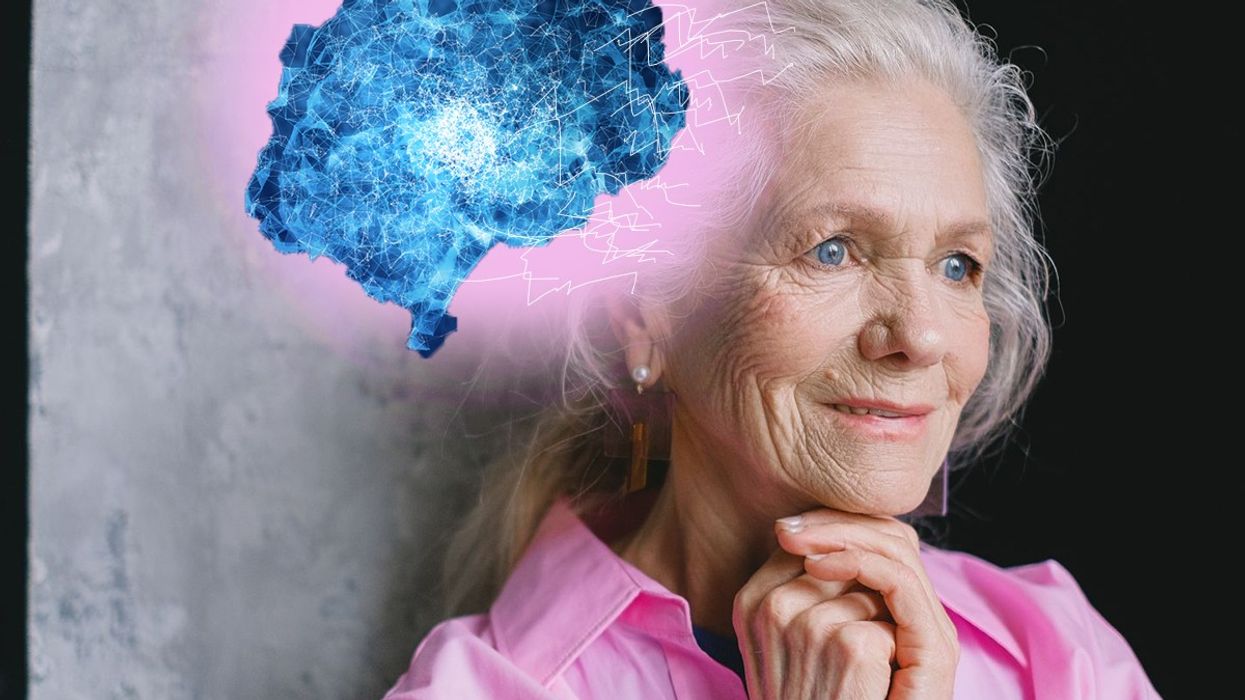
 Hands hold a digital representation of the brain.Image via
 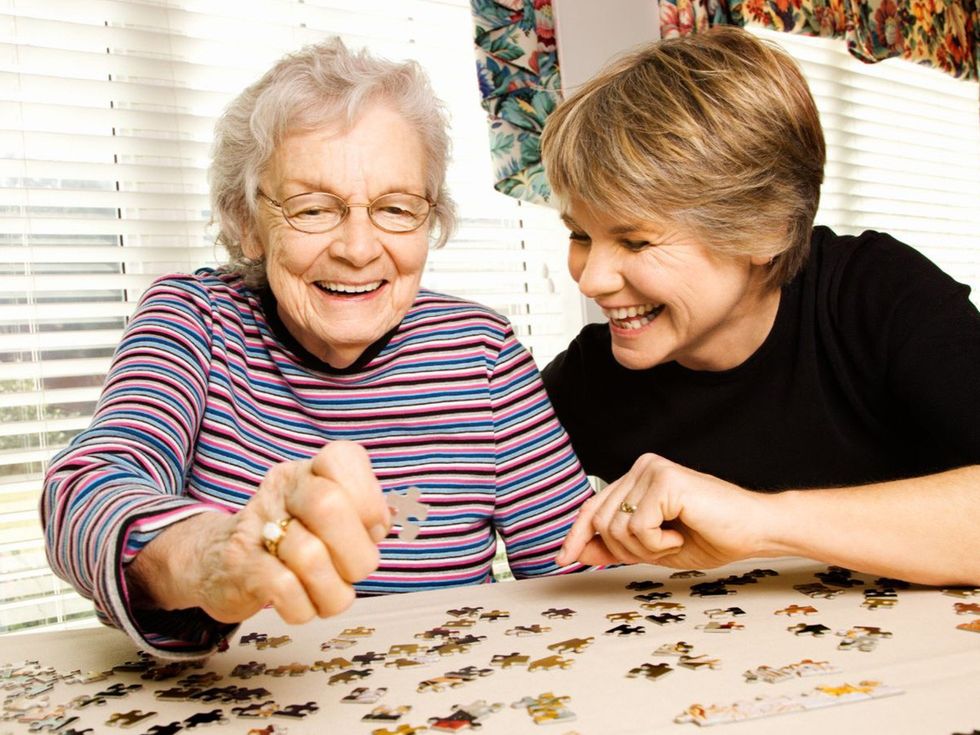 Mother and daughter work a puzzle.Image via
 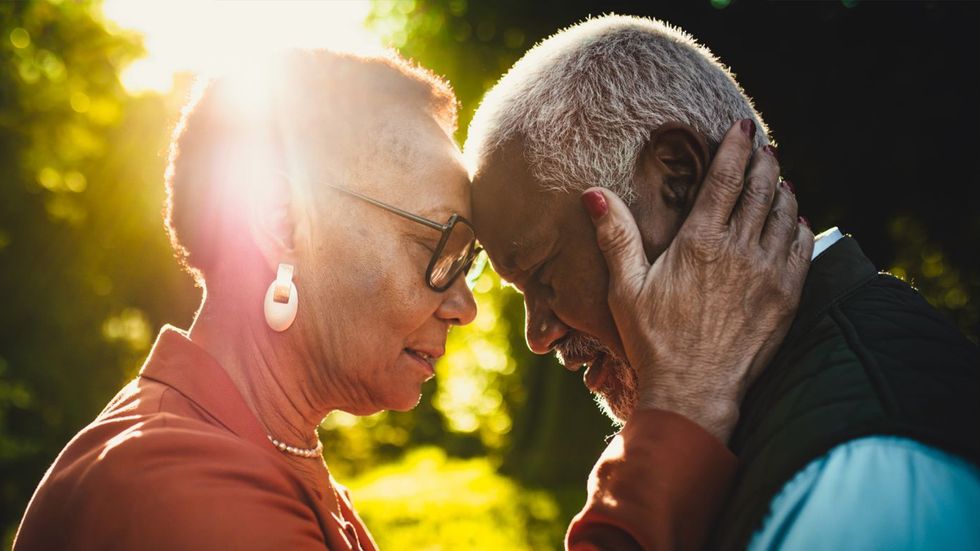 Man and woman connect under the sunshine.Image via
 The obituary paints a comic, if bleak, picture.
  A Facebook post about the obituary.
Why do some folks use social media but don't engage?
Psychologist says people who never comment on social media share these 5 positive traits
For over 20 years, social media has developed into a staple in many people’s day-to-day lives. Whether it’s to keep in communication with friends and family, following the thoughts of celebrities, or watching cat videos while sipping your morning coffee, there seem to be two types of social media users: commenters and lurkers.
The term “lurker” sounds equally mysterious and insidious, with some social media users writing them off as non-participants at best or voyeurs at worst. However, mindfulness expert Lachlan Brown believes these non-commenters have some very psychologically positive and healthy traits. Let’s take a look at how each one of these traits could be beneficial and see how fruitful lurking might be even though it can drive content creators crazy.
1. Cautious about vulnerability
Consciously or not, making a post online or commenting on one puts you and your words out there. It’s a statement that everyone can see, even if it’s as simple as clicking “like.” Doing so opens yourself up to judgment, with all the good, bad, and potential misinterpretation that comes with it. Non-commenters would rather not open themselves up to that.
These silent users are connected to a concept of self-protection by simply not engaging. By just scrolling past posts or just reading/watching them without commentary, they’re preventing themselves from any downsides of sharing an opinion such as rejection, misunderstanding, or embarrassment. They also have more control on how much of themselves they’re willing to reveal to the general public, and tend to be more open face-to-face or during one-on-one/one-on-few private chats or DMs. This can be seen as a healthy boundary and prevents unnecessary exposure.
Considering many comment sections, especially involving political topics, are meant to stir negative emotional responses to increase engagement, being extra mindful about where, when, and what you comment might not be a bad idea. They might not even take the engagement bait at all. Or if they see a friend of theirs post something vulnerable, they feel more motivated to engage with them personally one-on-one rather than use social media to publicly check in on them.
2. Analytical and reflective mindset
How many times have you gone onto Reddit, YouTube, or any other site and just skimmed past comments that are just different versions of “yes, and,” “no, but,” or “yes, but”? Or the ever insightful, formerly popular comment “First!” in a thread? These silent browsers lean against adding to such noise unless they have some valid and thoughtful contribution (if they bother to comment period).
These non-posters are likely wired on reflective thinking rather than their initial intuition. Not to say that all those who comment aren’t thoughtful, but many tend to react quickly and comment based on their initial feelings rather than absorbing the information, thinking it over, researching or testing their belief, and then posting it. For "lurkers," it could by their very nature to just do all of that and not post it at all, or share their thoughts and findings privately with a friend. All in all, it’s a preference of substance over speed.
3. High sense of self-awareness
Carried over from the first two listed traits, these silent social media users incorporate their concern over their vulnerability and their reflective mindset into digital self-awareness. They know what triggers responses out of them and what causes them to engage in impulsive behavior. It could be that they have engaged with a troll in the past and felt foolish. Or that they just felt sad after a post or got into an unnecessary argument that impacted them offline. By knowing themselves and seeing what’s being discussed, they choose to weigh their words carefully or just not participate at all. It’s a form of self-preservation through restraint.
4. Prefer to observe rather than perform
Some folks treat social media as information, entertainment, or a mix of both, and commenting can feel like they’re yelling at the TV, clapping alone in a movie theater when the credits roll, or yelling “That’s not true!” to a news anchor that will never hear them. But contrary to that, social media is a place where those yells, claps, and accusations can be seen and get a response. By its design, social media is considered by experts and the media as performative, regardless of whether it is positive or negative. Taking all of the previously mentioned traits into account, one can see why they would prefer to “observe the play” rather than get up on the stage of Facebook or X.
On top of that, these non-commenters could be using social media differently than those who choose to fully engage with it. Using this type of navigation, there may be nothing for them to comment about. Some commenters are even vying for this for their mental health. There are articles about how to better curate your social media feeds and manipulate algorithms to create a better social media experience to avoid unnecessary conflict or mentally tiring debate.
If you go on a blocking spree on all of your accounts and just follow the posters that boost you, it could turn your social media into a nice part of your routine as you mainly engage with others face-to-face or privately. In terms of commenting, if your curated Instagram is just following cute dogs and all you have to offer for a comment is “cute dog,” you might just enjoy the picture and then move on with your day rather than join in the noise. These non-commenters aren’t in the show and they’re fine with it.
5. Less motivated by social validation
The last trait that Brown showcases is that social media users who browse without posting tend to be independent from external validation, at least online. Social media is built to grow through feedback loops such as awarding likes, shares, and reposts of your content along with notifications letting you know that a new person follows you or wants to connect. This can lead many people to connect their activity on social media with their sense of self worth, especially with adolescents who are still figuring out their place in the world and have still-developing brains.
Engaging in social media via likes, shares, comments, and posts rewards our brains by having them release dopamine, which makes us feel good and can easily become addictive. For whatever reason, non-commenters don’t rely on social media as a means to gauge their social capital or self worth. This doesn’t make them better than those who do. While some non-commenters could have healthier ways to boost their self worth or release dopamine into their systems, many get that validation from equally unhealthy sources offline. That said, many non-commenters’ silence could be a display of independence and self confidence.
Whether you frequently comment online or don’t, it’s good to understand why you do or don’t. Analyzing your habits can help you determine whether your online engagement is healthy, or needs to be tweaked. With that information, you can then create a healthy social media experience that works for you.