


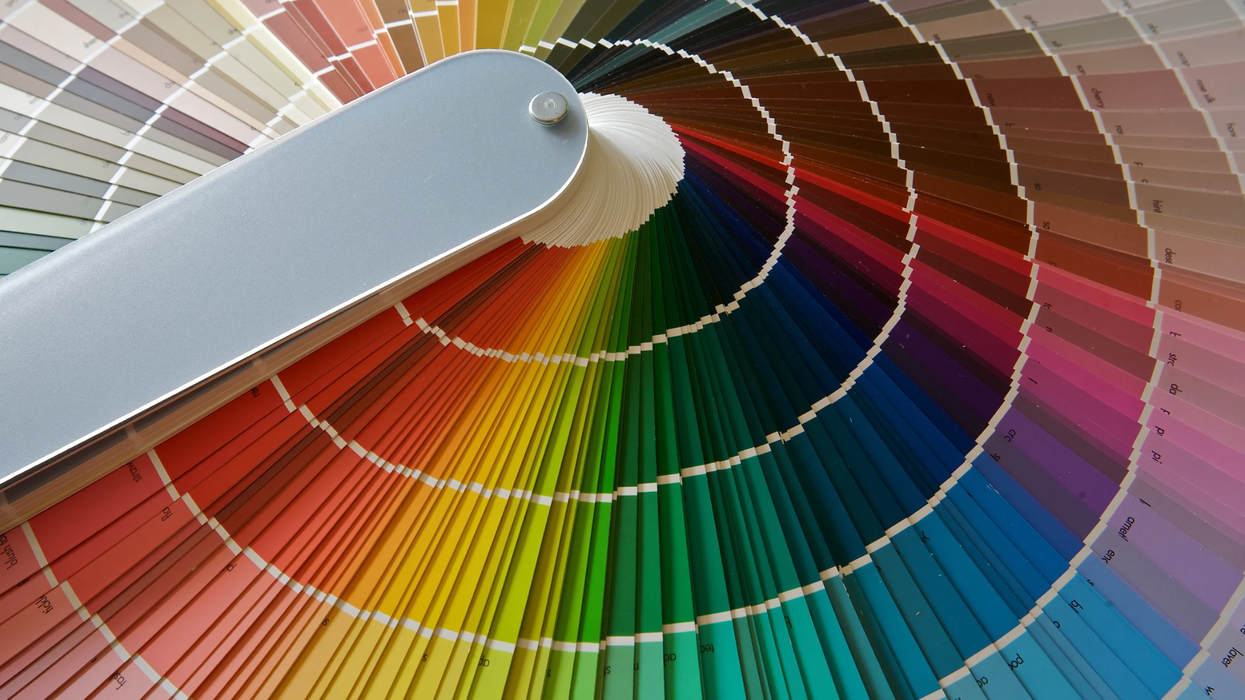
Lenstore, a UK-based eye care company, has created an ultra-difficult color test that is so challenging that less than 1% of the first 2,000 participants scored a perfect ten out of ten.
The test involves distinguishing between different hues of the same color and putting the colors in the correct order on the spectrum.
Lenstore reports that women perform better than men on the test, with females scoring an average of 57.7% and men scoring 53.8%. These results align with current scientific data on sex and color perception.
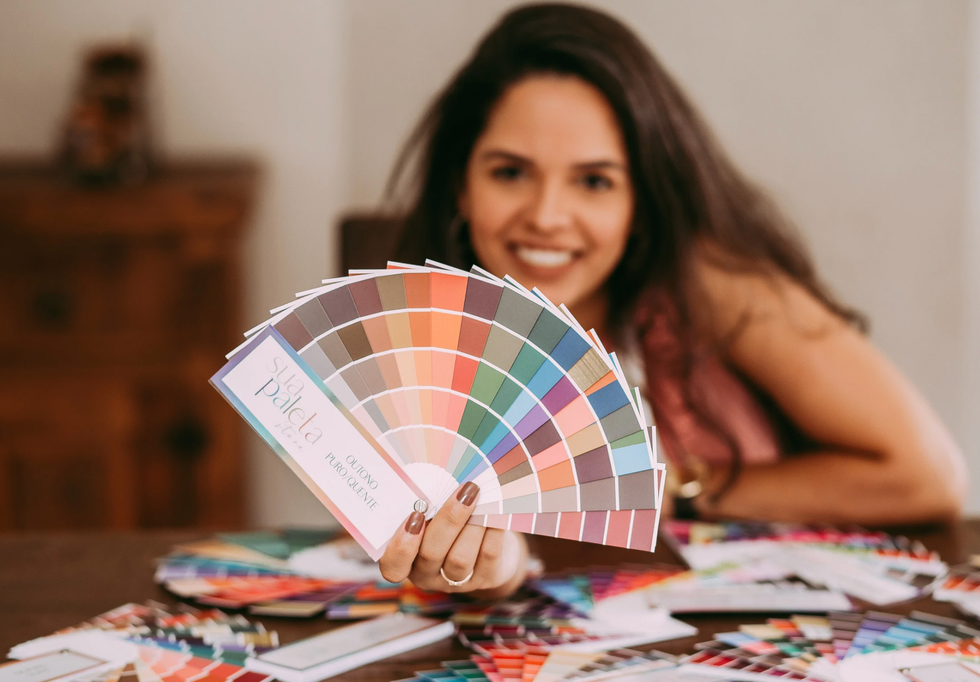 A woman holds a wheel-like arrangement of colorsCanva
In a 2012 study, Israel Abramov, a psychologist from Brooklyn College, found that males are less adept at perceiving colors in the center of the color spectrum, such as yellows, greens and blues. The same study showed that men were better at distinguishing quick-changing objects from afar.
Color blindness is also much more common in men. According to the National Eye Institute, 8% of men and 0.5% of women are color blind.
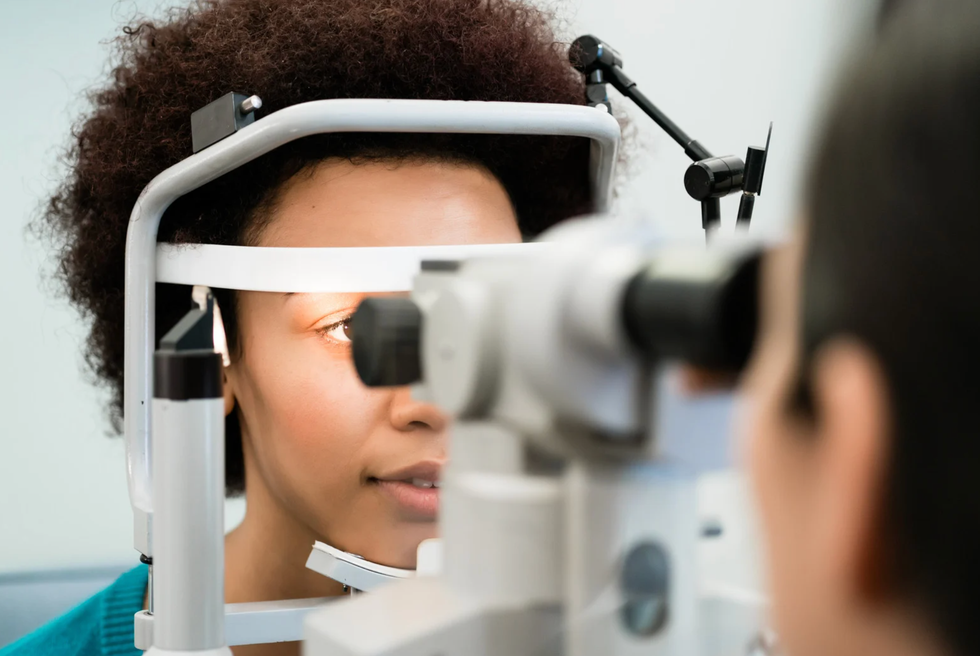 A woman takes a vision testCanva
It is believed that these perception differences stem from human evolution in hunter-gatherer societies, where men tracked distant objects and women focused on nearby tasks.
Age is also a major factor in color perception. People aged 31 to 35 scored the highest, with an average of 60%, while those aged 81 to 89 averaged 38%.
These results also align with current scientific research. After age 70, the number of people struggling with color perception increases rapidly. "Color discrimination declines with age, and most color defects among the older population are of the blue-yellow type," wrote Marilyn E. Schneck, PhD, and colleagues at The Smith-Kettlewell Eye Research Institute.
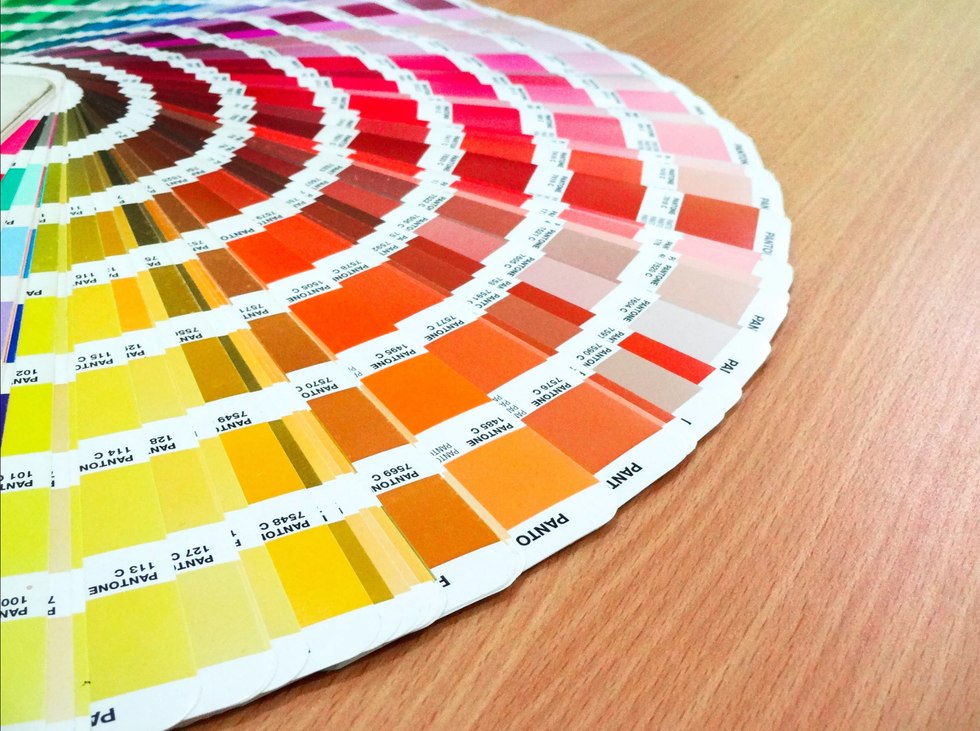 A circular arrangement of colorsCanva
Country of origin also plays a factor.
Here are the top ten countries in terms of color perception, according to their report:
1 Cyprus: 66.0%
2 South Africa: 65.0%
3 United States: 61.7%
4 Bulgaria: 60.0%
5 Germany: 58.8%
6 Australia: 57.5%
7 Poland: 56.7%
8 France/Portugal: 56%
9 Zimbabwe: 53.3%
10 Spain: 51.5%
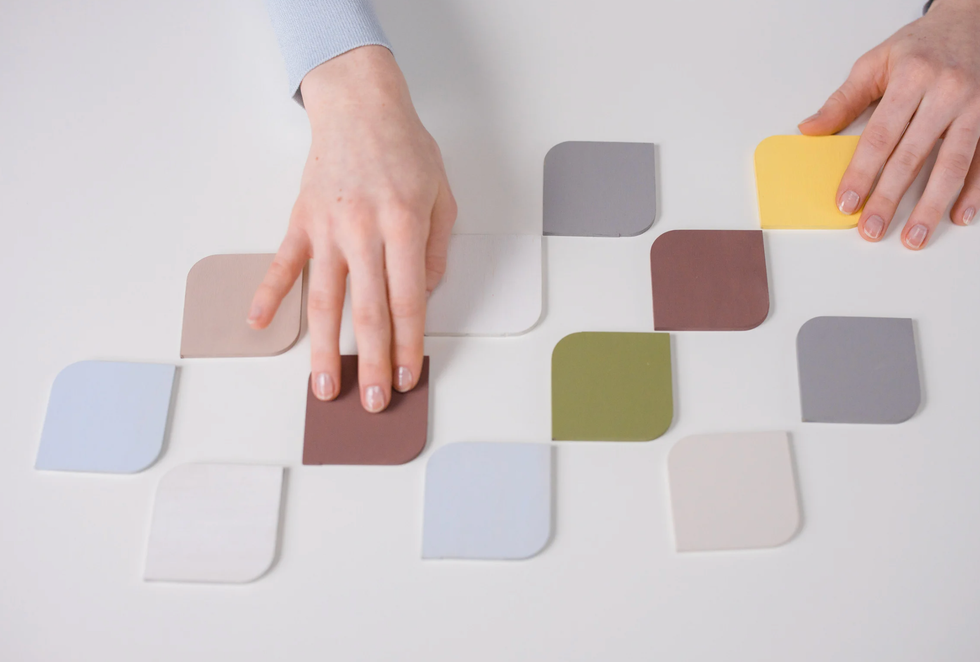 A person selects brown and yellow color swatches from a wide range of optionsCanva
While there was a significant difference between numbers one and ten on the list, there is no solid research that says whether people from different parts of the world are any better or worse at perceiving color. However, there are differences in how colors are labeled.
For example, the word "orange" didn't exist in the English language until orange trees were brought from Europe to Asia around 1500. Additionally, some cultures with unwritten languages lack a word for color.
Many languages have words for big and small, or hot and cold, but lack terms for size or temperature. Most unwritten languages don't have words for abstractions. "You don't need them," said anthropologist Paul Kay, according to Sapiens.
Click here to take the test
This article originally appeared 6 years ago.







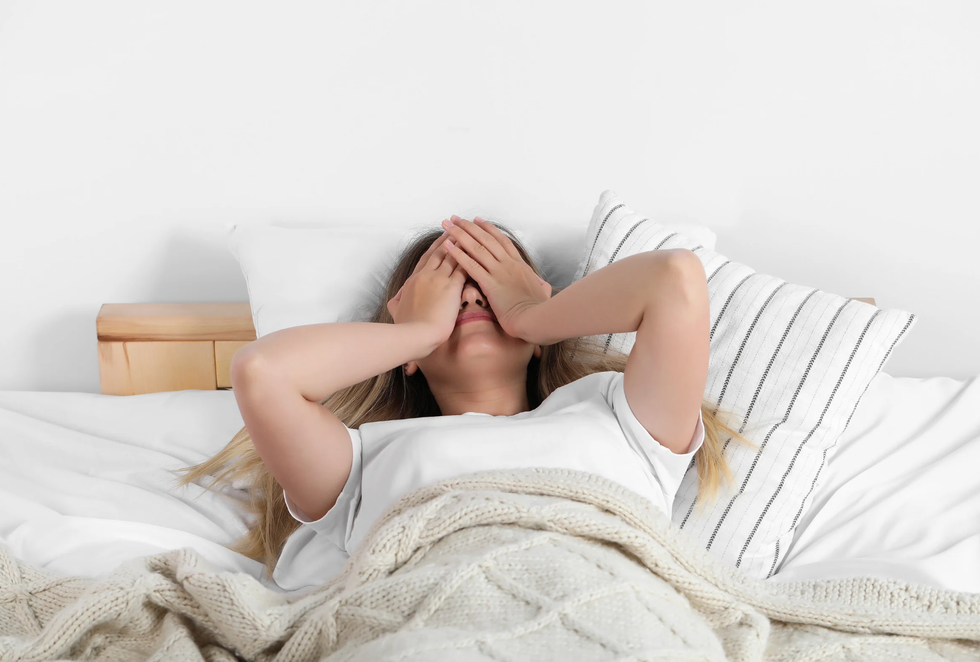 A woman feeling under the weather lies in bedCanva
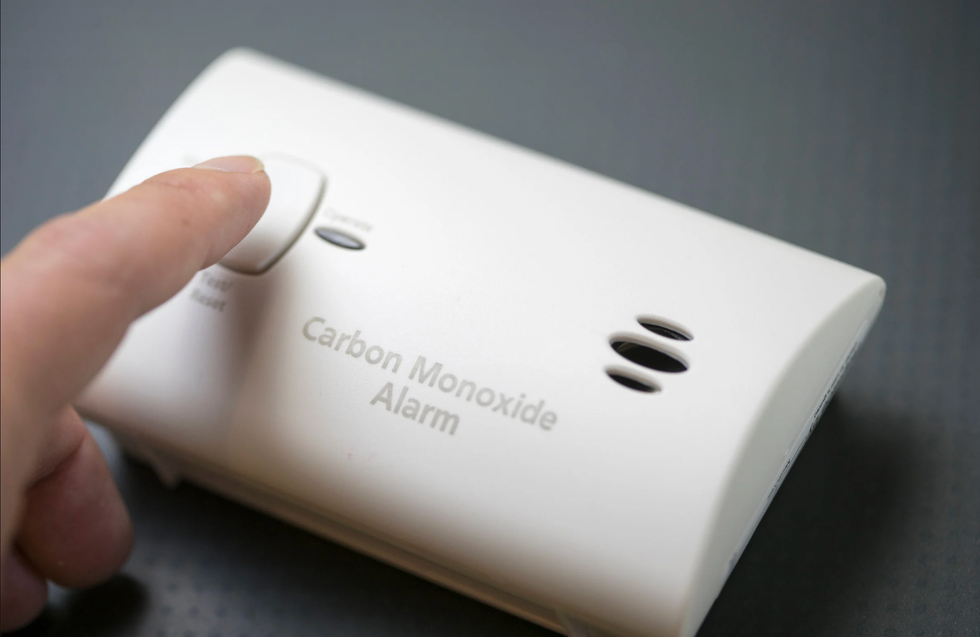 A Carbon monoxide alarmCanva
 A happy woman sips from a coffee mugCanva
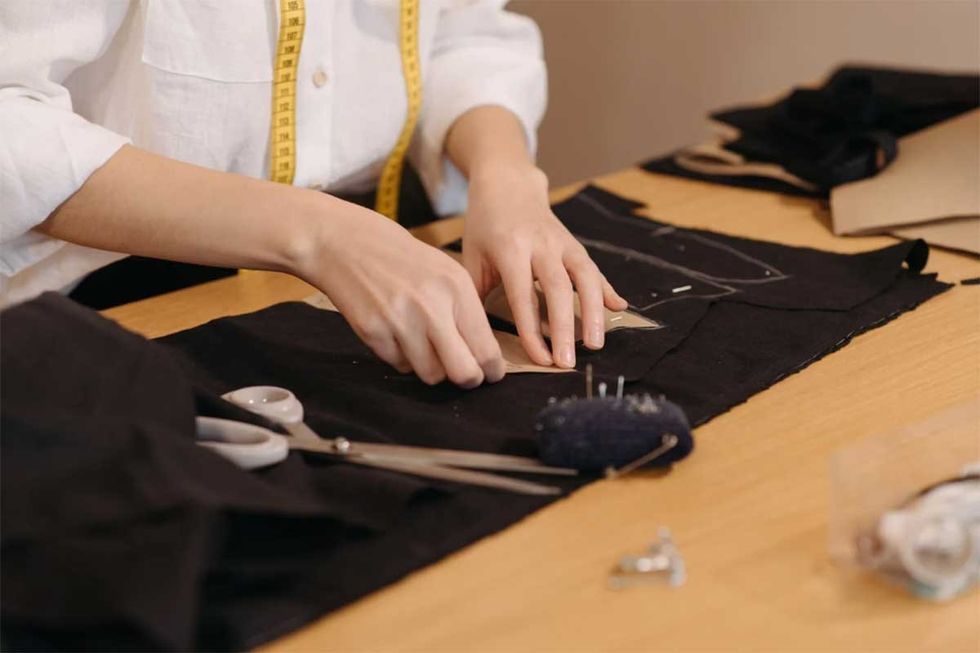 Representative Image: Busy hands working on a garment.
  "SPEECHLESS!" Facebook I
  "God is really good!"Facebook I
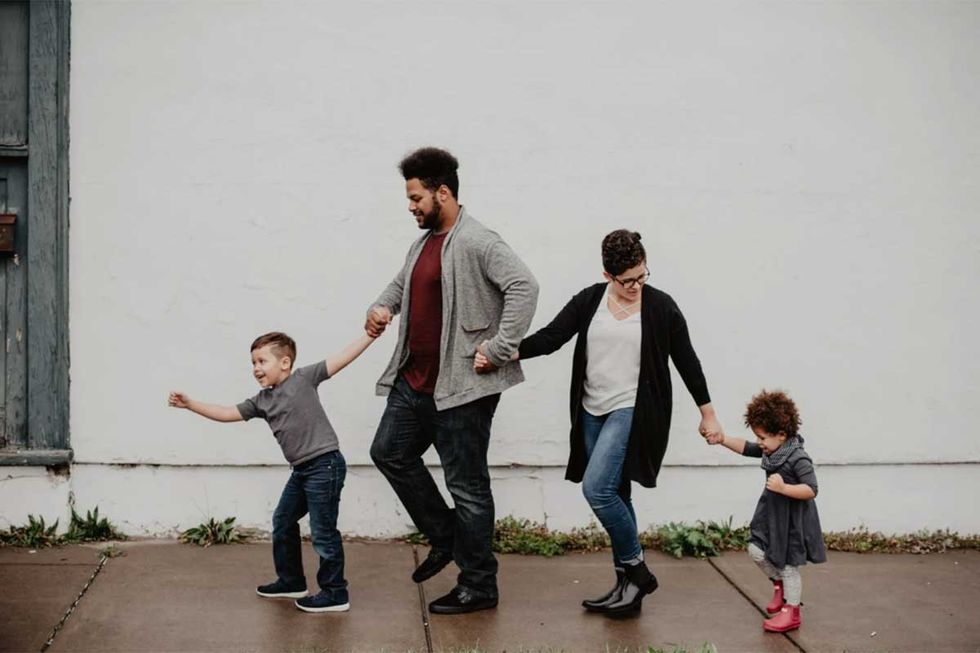 A family holding hands.
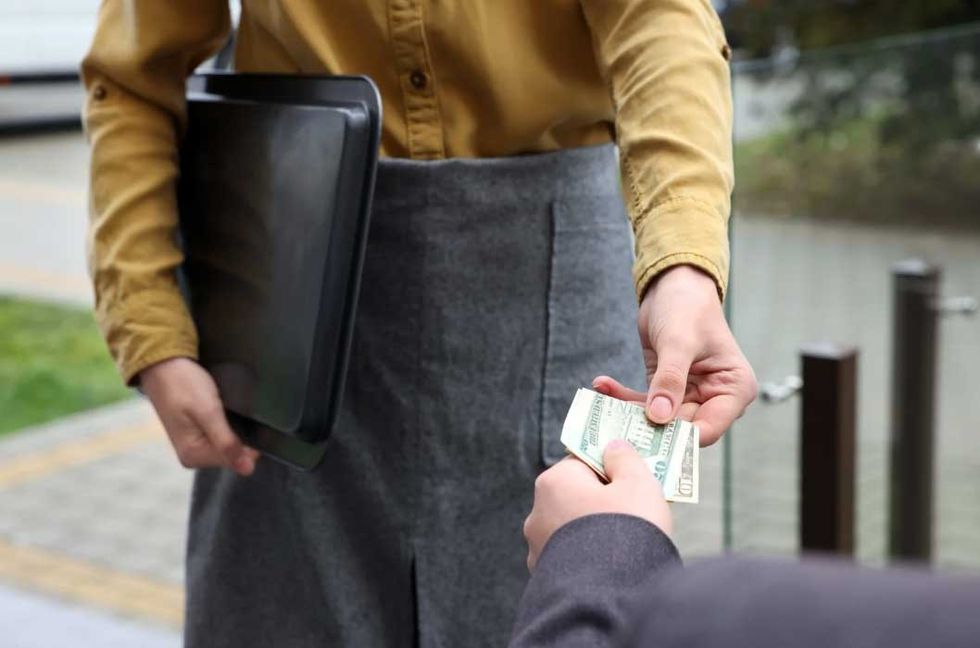 Representative Image: Money changing hands.
  Representative Image: It seemed like a great tip at first.
  Image Source: Reddit |
 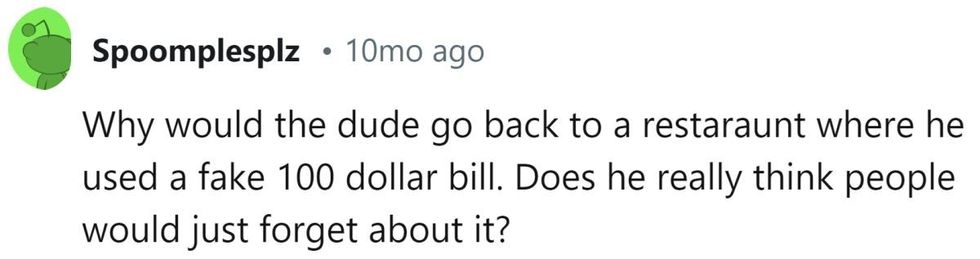 Image Source: Reddit |
 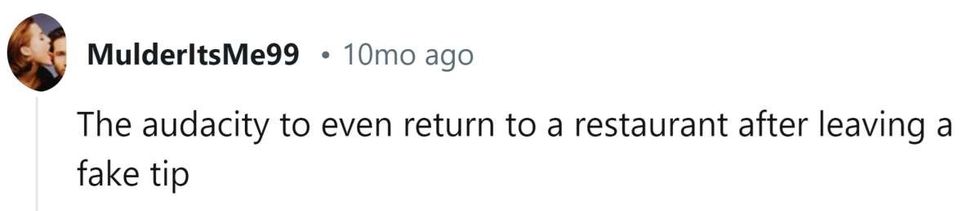 Image Source: Reddit |
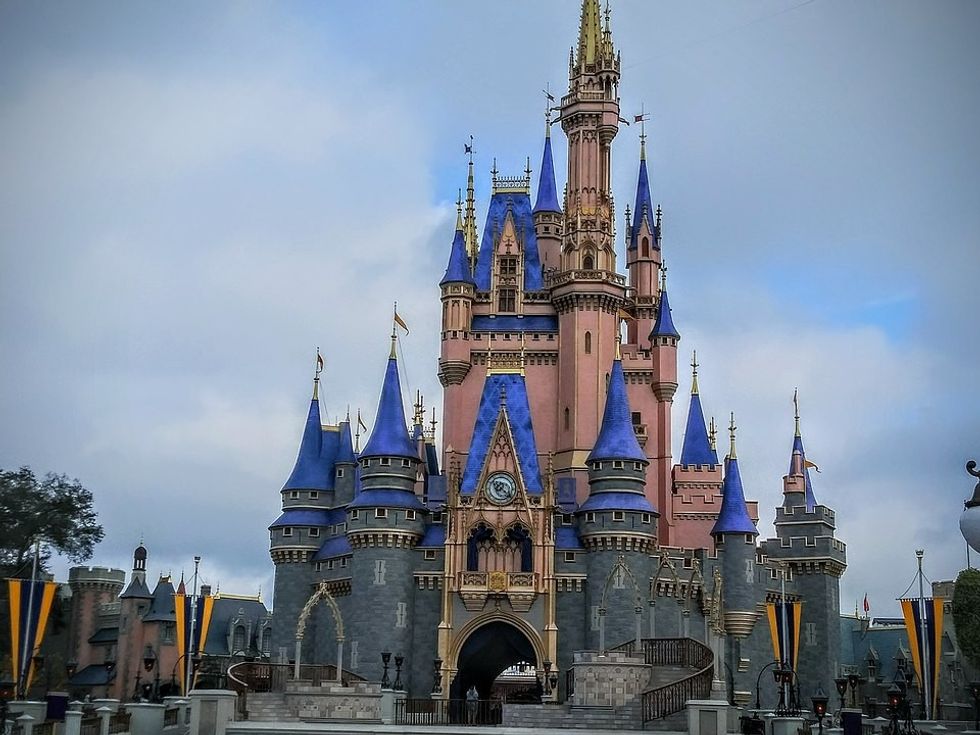 Representative Image: Disney World made the perfect surprise.
  Image source: TikTok |
  Image source: TikTok |
  Image Source:
 An elderly man walks down an icy roadCanva
  An elderly man grilling at a partyCanva
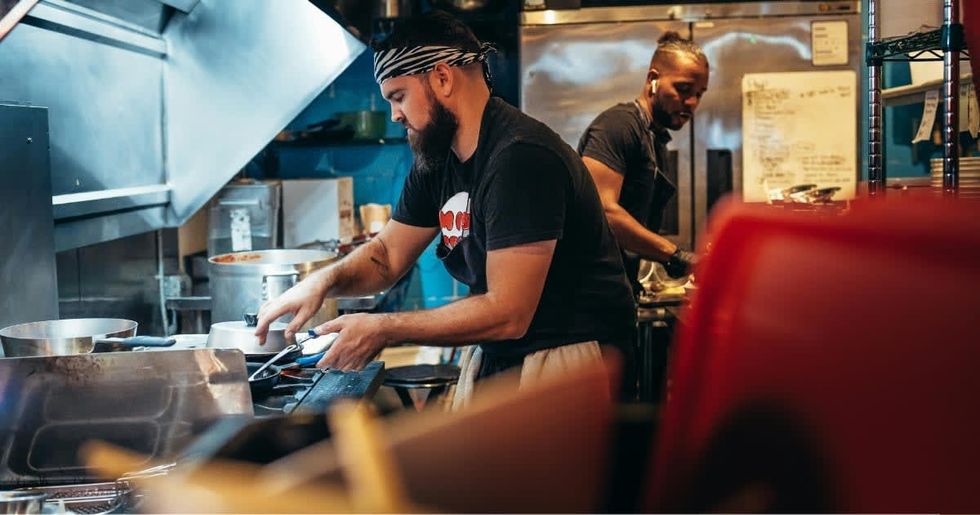 Representative Image: Making pizzas for hungry people. Pexels I Photo by Jvxhn Visuals
 Representative Image Source: Pexels I Photo by Polina Tankilevitch
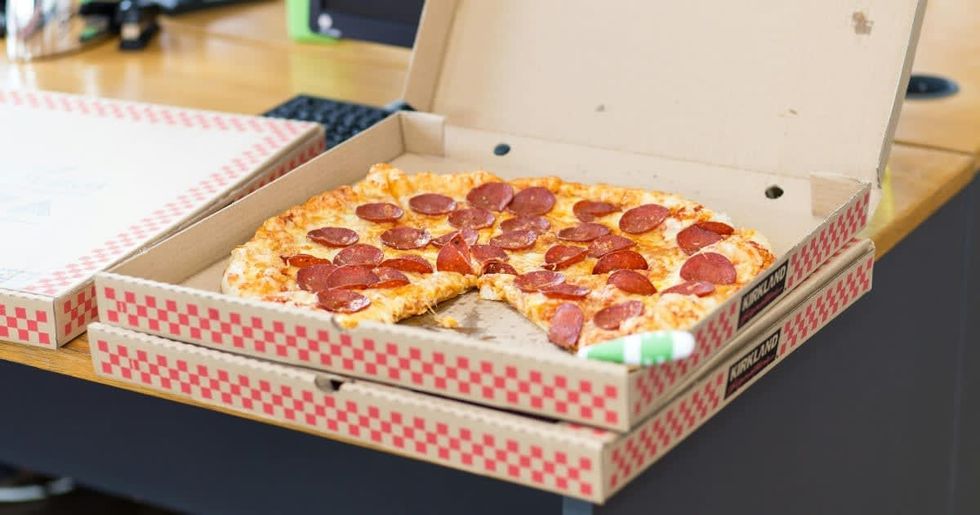 Representative Image: Is there anything better than pepperoni? Pexels I Photo by Pixabay
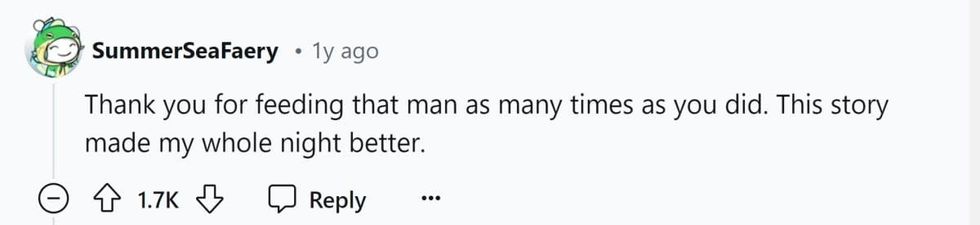 "This story made my whole night better." Reddit I
Female shopper looking for help
21 products that are gaslighting us into thinking they’re essential when they’re not
Some things in life are actually necessary—clean water, decent healthcare, basic human decency. But then there are the things that feel like they’re gaslighting us. The things we’re told we can’t live without, even though we survived just fine before they existed. Things like "smart" fridges, lawn fertilizer services, and yes—whole body deodorant.
Recently, our sister-site Upworthy asked their Facebook audience the question: What's a product or service that feels like it's gaslighting all of us into thinking it's necessary? More than 8,000 responses poured in. The answers were passionate, funny, and surprisingly unified.
Here are 21 products, services, and systems people called out for pretending to be essential—when they might actually be optional, overpriced, or flat-out invented.
1. Whole body deodorant
"Take a shower," said Shannon H.
“How did we ever manage all those years without it!! 😂😵💫” added Karen R.
Others noted it may help people with medical conditions—but for the average person, it's definitely a marketing creation.
2. Health insurance
It topped the list. Erica L. explained: “My doctor prescribes, the pharmacist issues meds, nurses care for people, surgeons do surgery—Health Insurance stands between health care and patients and says no, exclusively on whether they think it’s financially effective to treat you.”
Important note: Health insurance can provide life-saving access for many—but what people are frustrated by here is the profit-first system, not care itself.
3. The wedding industry
Multiple people slammed the high cost of modern weddings.
JoElla B. put it plainly: “We spend too much time and money planning one day, and not enough thought on how to blend two lives in a mutually beneficial one.”
Others called out expensive dresses, venues, and pressure to perform for social media.
4. Bottled water
Carole D. said: “Water in plastic bottles! Get a cup!”
While bottled water has value in emergencies, it’s often just filtered tap water—sold for profit in plastic.
5. Baby product overload
“Most baby products,” wrote Kelli O. “They really aren’t as needy and complicated as companies want us to think.”
6. Fabric softener
“It’s bad for clothes, bad for the Earth, bad for the wallet, and totally unnecessary,” said Gail H.
Some experts agree—many softeners contain chemicals that can reduce fabric lifespan and irritate skin.
7. Smart appliances
“Adding ‘phone controls’ to every appliance instead of making them last as long as they used to,” wrote Sherry S.
When your fridge needs a software update, something’s gone off the rails.
8. Makeup and anti-aging products
“Anything anti-aging,” said Melissa T., “Please just let me age into the gargoyle I was meant to become.”
Others questioned products designed to “fix” eyelashes, eyebrows, pores, and graying hair.
April S. added, “Products that women are convinced they MUST have in order to be ‘beautiful’ and therefore ‘loved.’”
9. Cosmetic surgery
Ron P. called out the industry as a whole. And while body autonomy matters, many commenters questioned whether insecurities are being commodified and sold back to us.
10. Ticketmaster and “convenience fees”
“Let’s go back to waiting in line at a record store,” wrote Nicole C.
Zaida B. added: “Convenience fee for online purchases—then charging $10 more at the actual event.”
11. Engagement rings
James P. didn’t mince words: “Engagement rings.”
The diamond industry has long been criticized for manufactured scarcity and marketing-fueled necessity.
12. Lawn chemicals and services
“Plant native grasses and you don’t have the pests or need for constant watering,” wrote Jamie B.
Environmental groups have raised similar concerns over runoff and unnecessary pesticide use.
13. AI and generative tech
“This stuff squeezes the lifeblood and individuality out of the human experience,” said Teresa L.
Saskia D. and others echoed skepticism about its necessity, even as many of us are being pushed to use it.
14. Funeral services
Amy W. shared: “My parents both have already paid to have themselves cremated and are very adamant that they do not want anything big done for them. In their words, ‘I won’t care, I’m dead.’”
Of course, some families find comfort in tradition—but the cost and pressure can feel overwhelming and predatory.
15. Rinse and repeat
Amy D. nailed it: “It’s just to sell more. Not even sure you need it at all.”
16. Credit Card Surcharges
Shawn S. took aim at the extra fees popping up at checkout: “That is the cost of doing business and shouldn’t be the burden of the purchaser.”
Many questioned why customers are increasingly being asked to pay extra simply for the convenience of using a card.
17. Constant phone upgrades
“Apple are notorious for releasing the same shit every year,” said Steph S.
Diana H. added, “Needing to upgrade our phones so frequently.”
Built-in obsolescence and marketing cycles drive most of the demand.
18. Vitamins and supplements
“If I took every supplement they say I NEED I wouldn’t need food. Nor could I afford it,” said Tausha L.
19. Fake pockets on women’s pants
Jessica W. said, “I have to buy men’s pants for work because women’s pants would just get torn up too fast!”
Form over function, and then they charge more for it.
20. Disposable everything
“The ‘convenience’ of disposable everything,” said Rick R.
It’s killing the planet—and draining wallets.
21. Tipping
“I’m sick of supplementing for corporations that refuse to pay a living wage,” wrote Susan V.
Tipping culture has evolved into something far removed from its original intent, and for many, it now feels like a burden shifted onto the customer.
The bigger picture
People aren’t saying all these things should vanish tomorrow. But when we start seeing convenience sold as necessity, and insecurity turned into billion-dollar markets, it's worth asking: who benefits from all of this?
And more importantly—who pays?
This article originally appeared earlier this year.