






Staten Island is known for its up close views of the Statue of Liberty and Manhattan skyline, some playful jeering by the other burrows of New York City calling it “the forgotten borough,” and over 170 parks. It also once claimed the world’s largest landfill taking in a colossal 29,000 tons of trash per day.
Freshkills landfill sits on over 150 million tons of solid waste and now it’s getting an environmental make over. With the planting of 50,000 native violets, the Freshkills Park Alliance wants to bring bees, monarch butterflies, and all the little pollinating organisms to reshape the area and help balance the local ecosystem.
“Planting these violets is incredibly important to the ecosystem within Freshkills and also the region,” according to Mark Murphy, President of the Freshkills Park Alliance. “Our 2,200 acres of native grassland is not just a place of beauty, but a place of highly efficient carbon capture, of resilience, regrowth and environmental sustainability.”
 Garbage scows bring solid waste for landfill.https://en.wikipedia.org/wiki/U.S._National_Archiv... Photo by Chester Higgins Jr.
Endeavors to reclaim areas damaged by the inevitable human foot print have been growing more critically important to the long term sustainability of our planet. Organizations like The Ocean Cleanup focuses on the removal of plastic pollution in the ocean, One Tree Planted has restored over 290,000 acres of forrest around the world by planting 135 million plus trees one at a time, and Sierra Club has been gathering volunteers and activists to fight for the rights and maintenance of parks and monuments across the planet for more than 130 years, are all working towards improving planet health. These groups aim to redirect public perspective and actions towards more environmentally responsible behaviors.
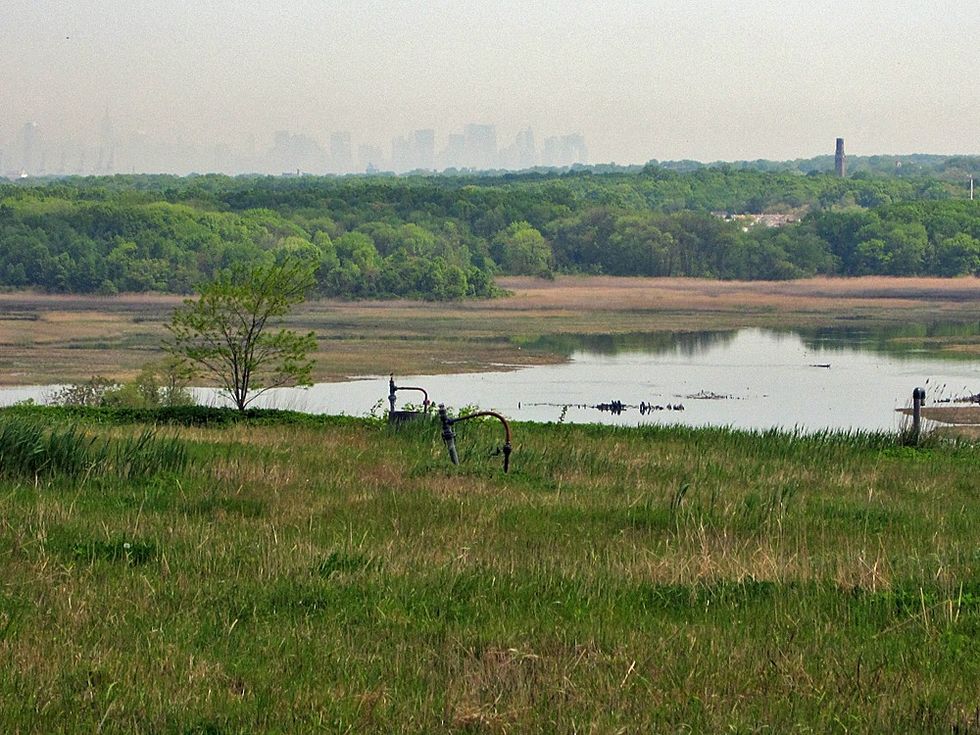 Freshkills Park with the Manhattan skyline behind.Author H.L.I.T.
What makes developments such as Freshkills Park so important? Bees. Their population has been on the decline since the mid 1980’s and things aren’t getting better. It’s getting worse.
A crisis is at hand according to the U.S. beekeeping industry over the deaths of hundreds of millions of bees during this past winter. Habitat destruction, pesticides, and changing weather patterns are decimating bee populations and impacting agricultural industries’ ability to feed the planet. Organizations focused on redevelopment of habitat for pollinators like bees are becoming more urgently important. But it’s not just large scale action that makes a difference.
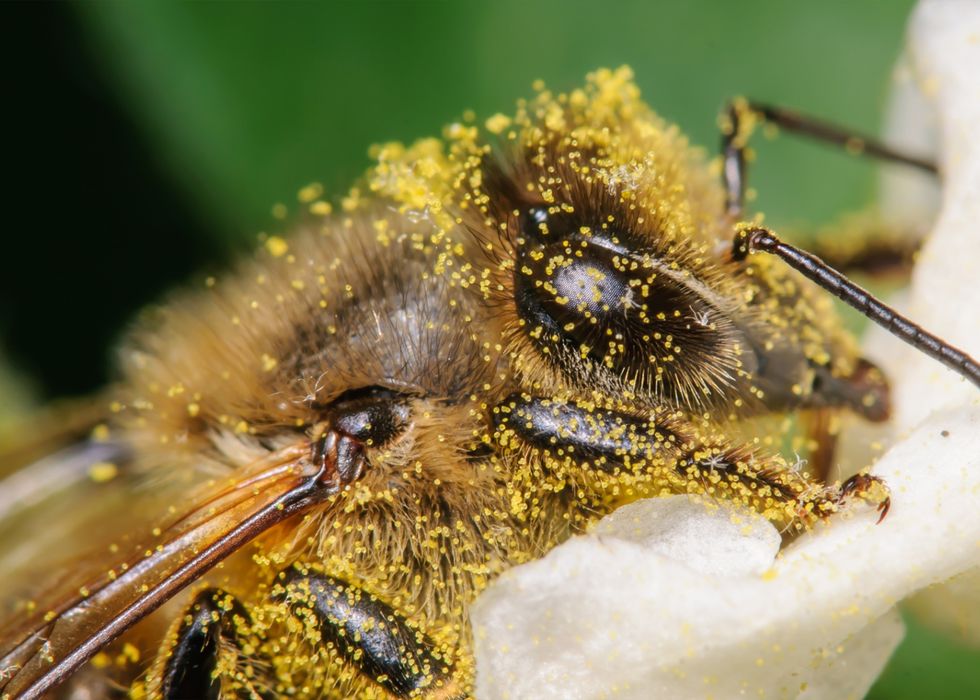 Honey Bee Covered in PollenPhoto from Canva by Sidersphoto
You and I can help too. Going chemical-free in our yards and choosing bee friendly plants is a strong start. Unknown to me, 70 percent of bee species, including the familiar bumblebee, are ground-nesting bees. They’re not building bee hives in the trees, rather burrowing in the ground to form their homes.
Those individuals fortunate enough to have a small home garden can leave bare patches of soil and avoid mulching with wood chips to create nesting sites for these important pollinators.
As science brings us new data and suggestions on to healthily navigate the planet, it’s nice to see organizations stepping up and trying to make it a little healthier and safer for the now and future. The Freshkills Alliance science team plans on studying the impact of large-scale native violet planting over the next two years.
Expecting to be fully opened by 2036, Freshkills Park will be almost three times the size of Central Park.




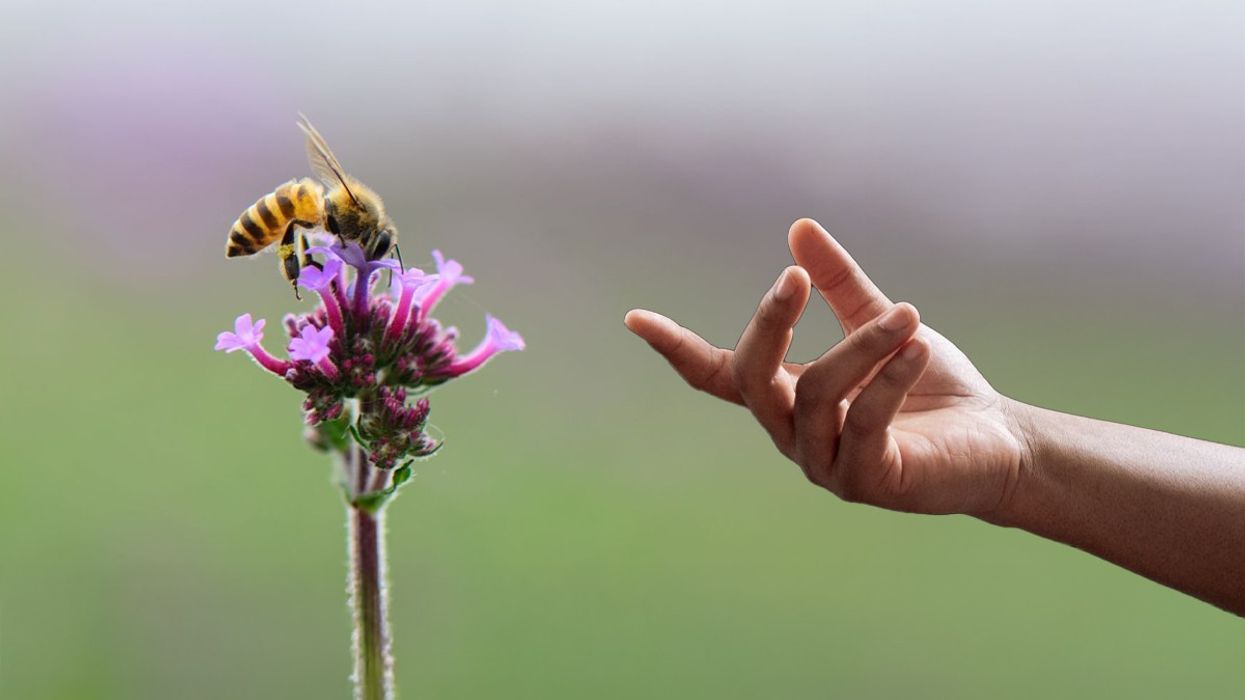
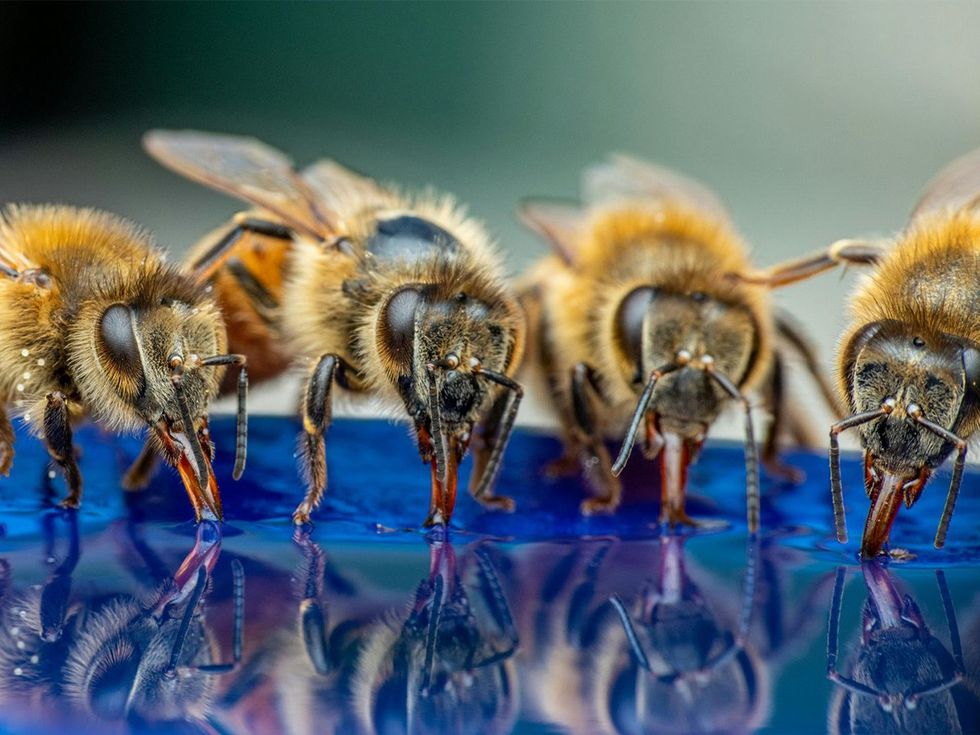 Bees feeding on food source.Image via
 A representative Image of The Atlantic Ocean. Source: Pexels | Kellie Churchman
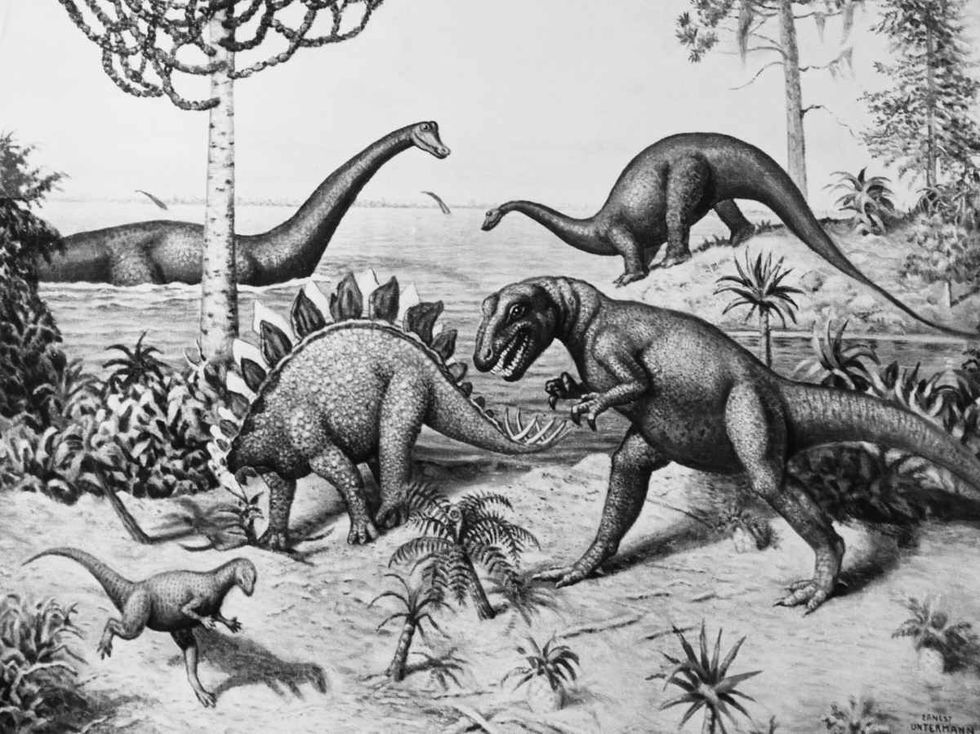 Representative Image Source: Painting from a series by Ernest Untermann in the museum at Dinosaur National Monument, Utah.
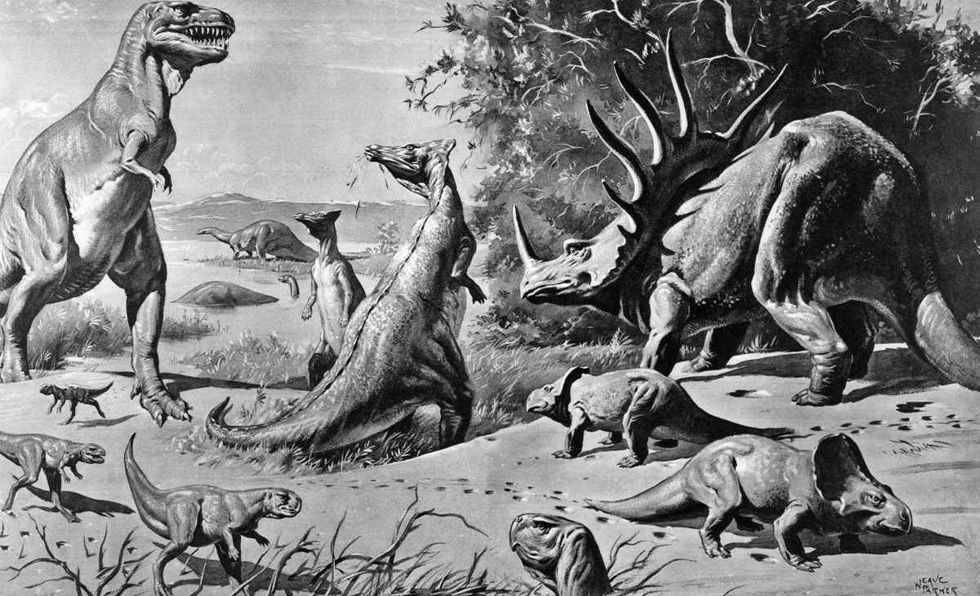 Representative Image Source: VARIOUS DINOSAURS IN GOBI DESERT. Photo by H. Armstrong Roberts/ClassicStock/Getty Images
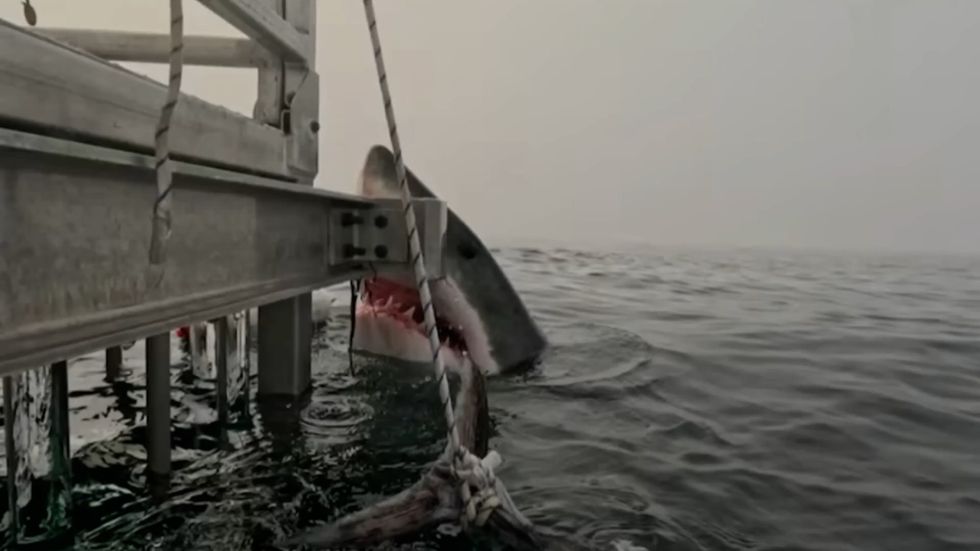 Great white shark pokes its head above water.Image pulled from YouTube video - Photo taken by Geraldine Fernandez
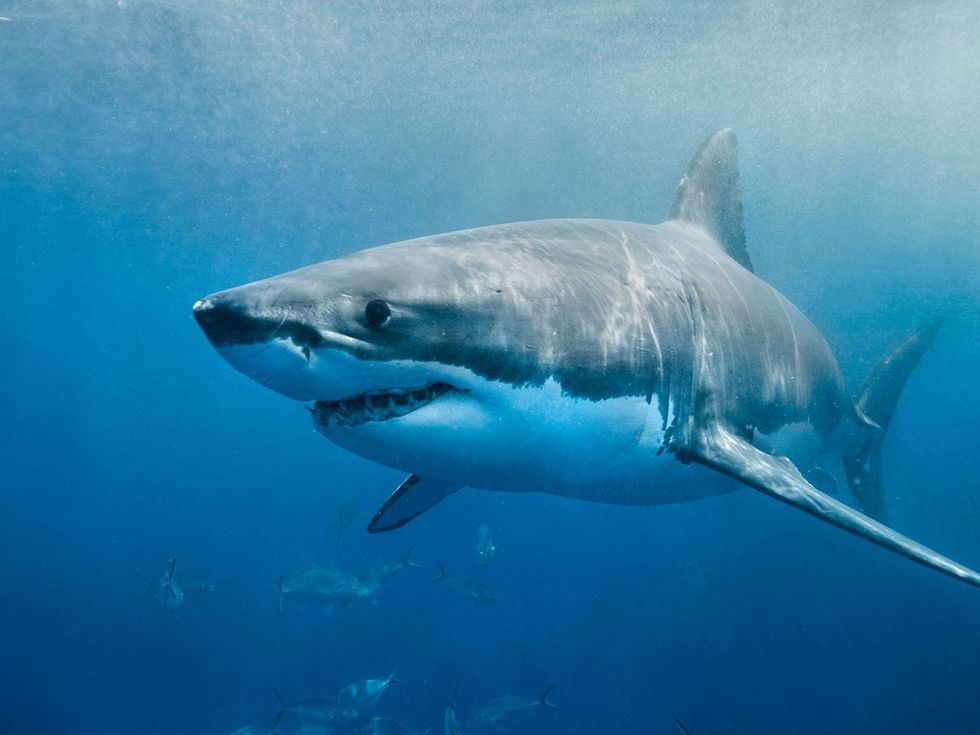 Great white shark swims in the ocean.Image via Canva - Photo by lindsay_imagery
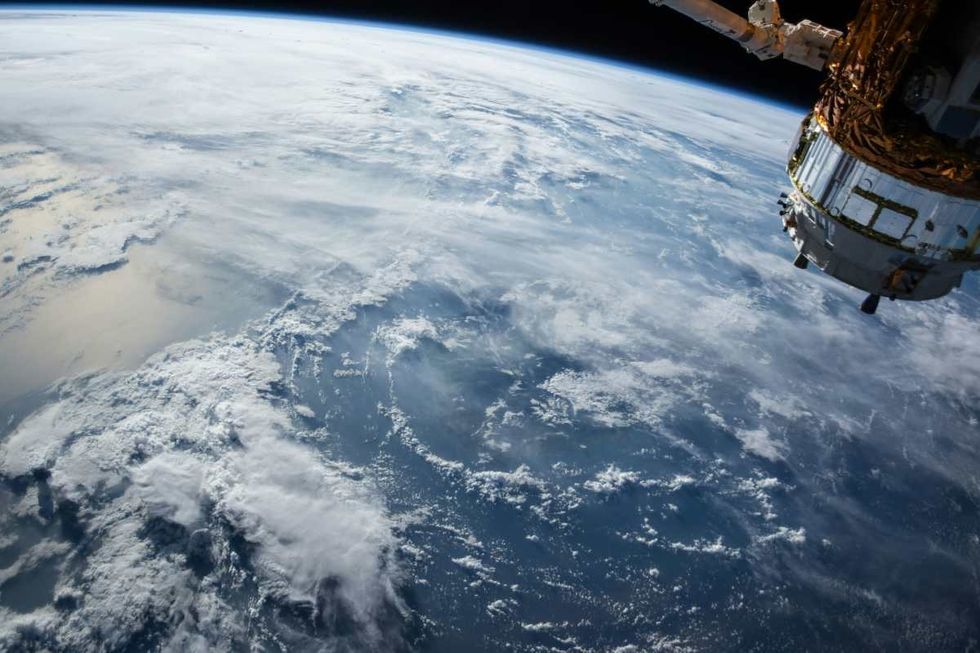 Representative Image Source: Unsplash | NASA
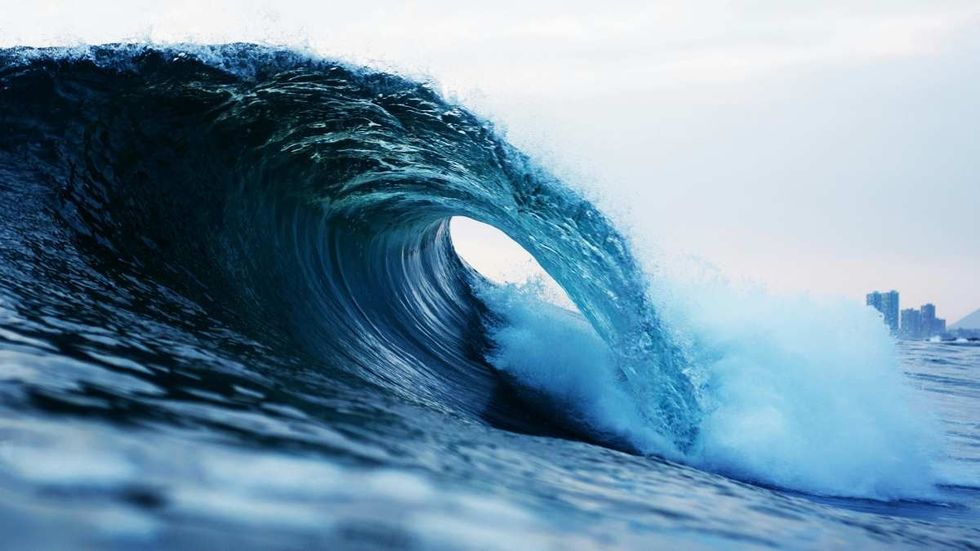 Representative Image Source: Pexels | Earano
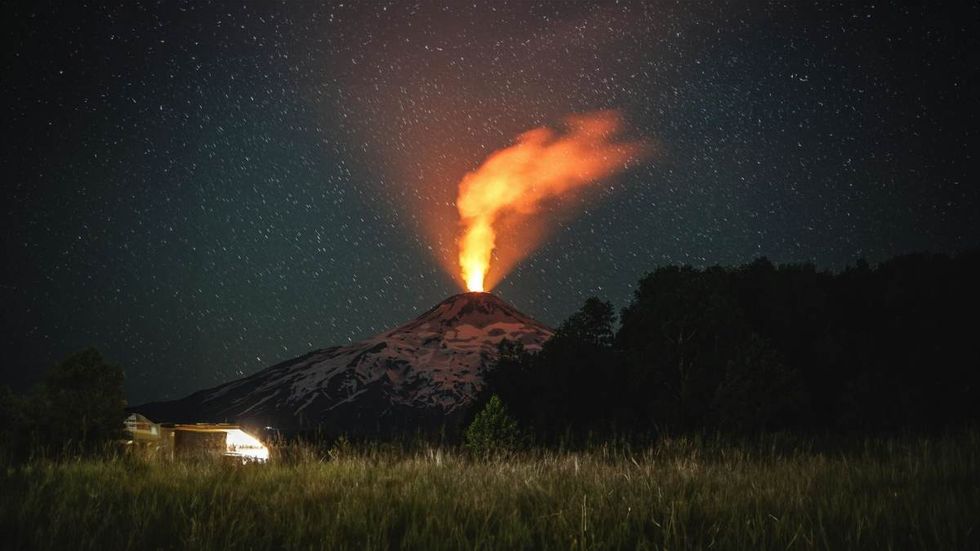 Representative Image Source: Pexels | Mauro Ignacio Torres
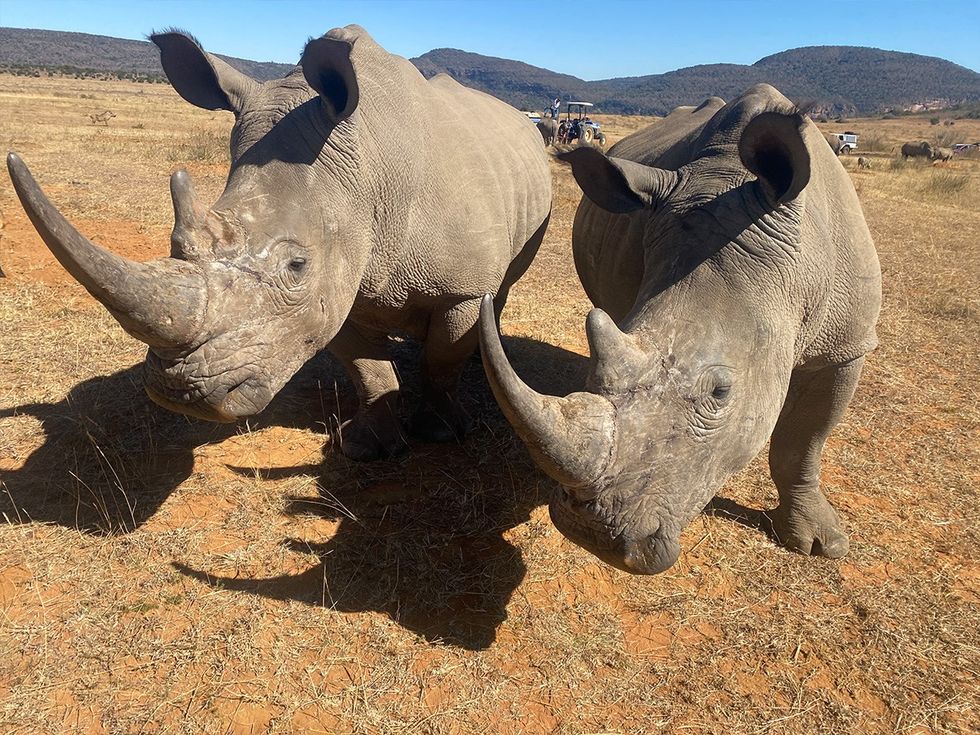 Two rhinos i the Waterberg Mountains of South Africa.Image via IAEA
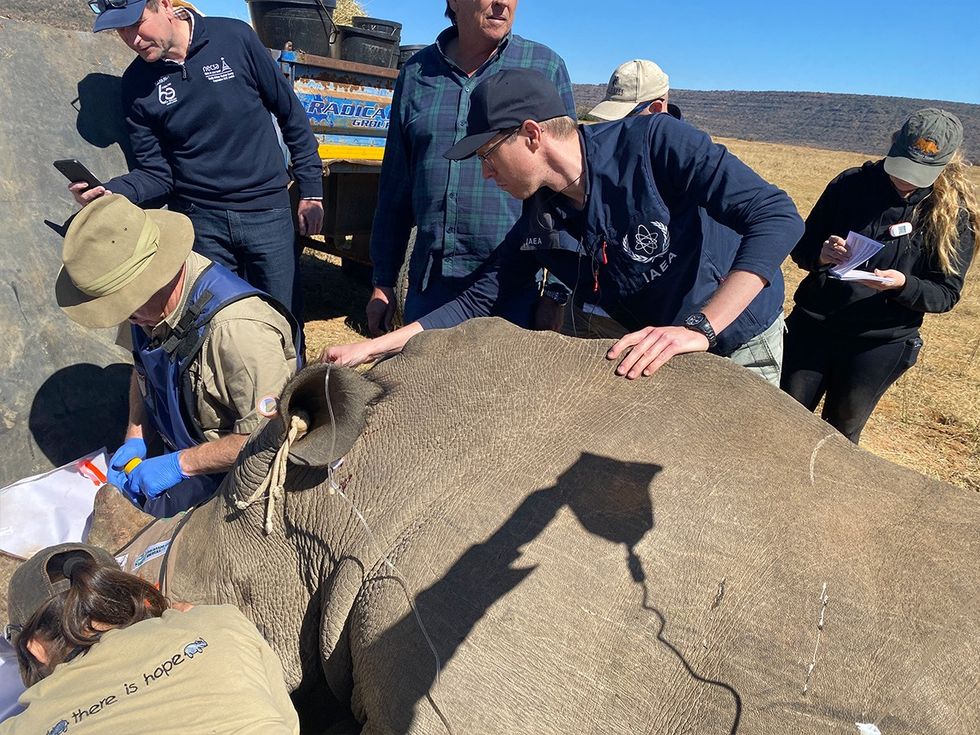 Isotope injection of rhino at the Rhino Orphanage in South Africa.Image via IAEA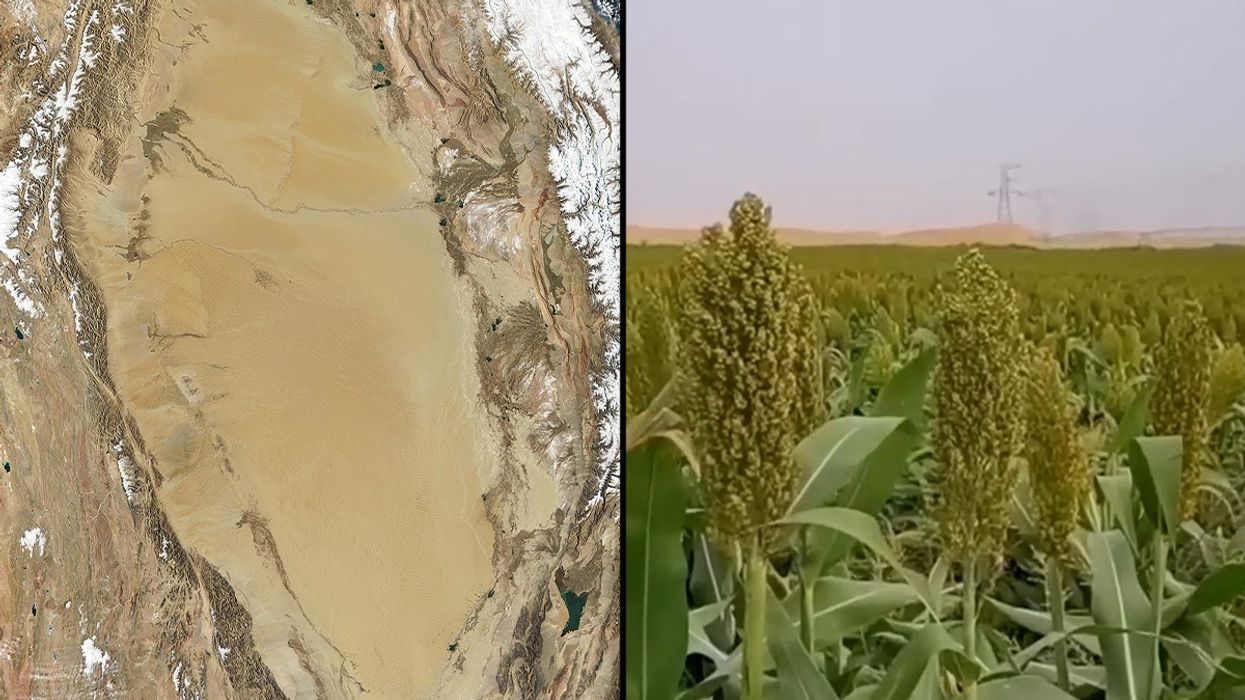
 Climate change around the world.Image via Canva - Photo by piyaset
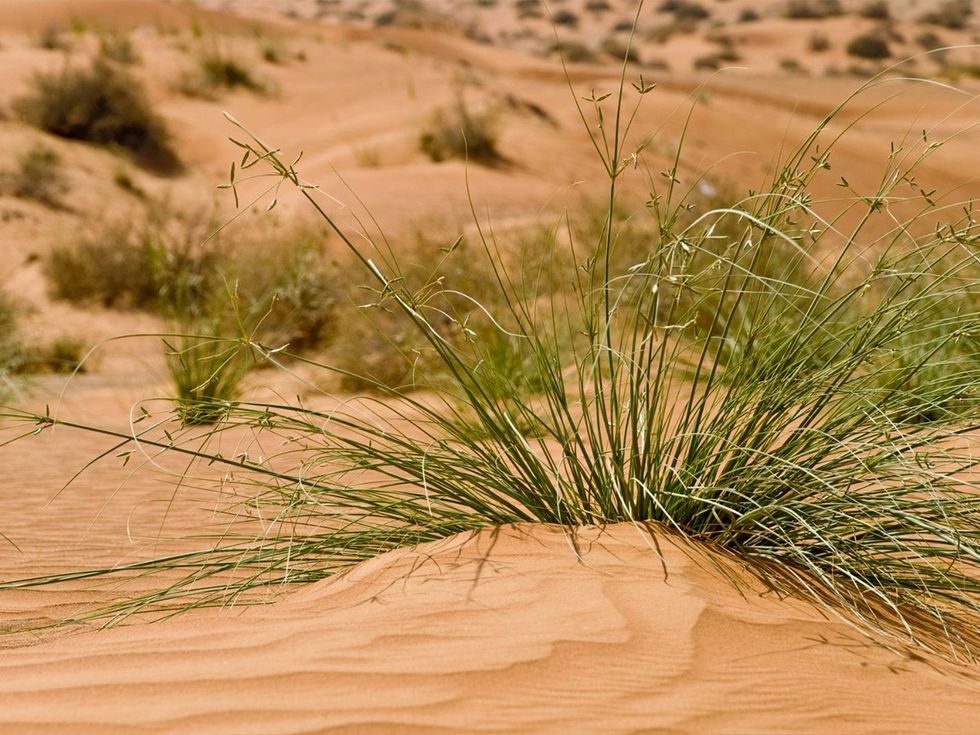 Desert grass.Image via Canva - Photo by clearandtransparent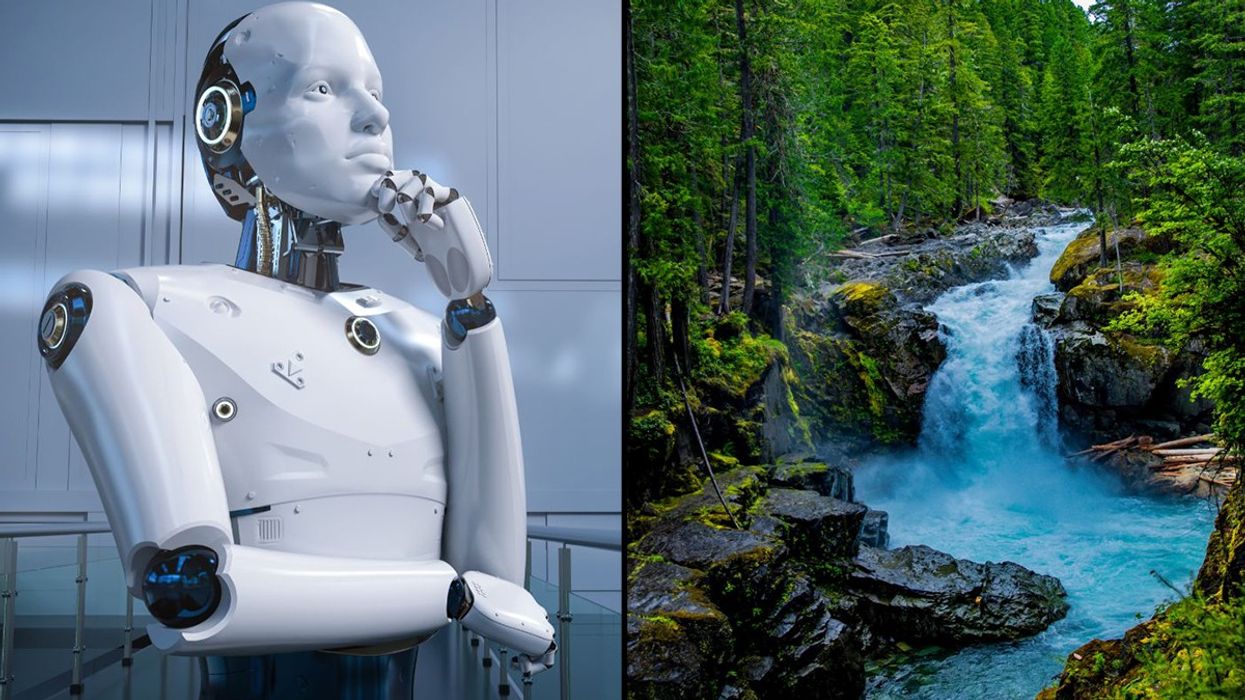
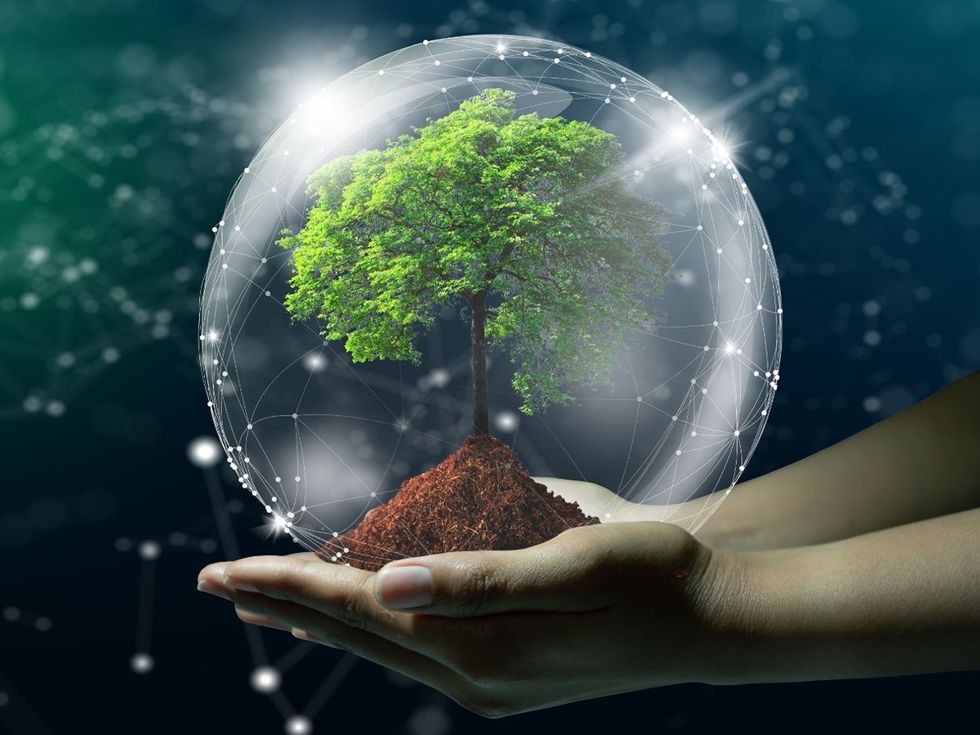 Hands hold a tree in digital globe.Image via Canva - Photo by Peach_iStock
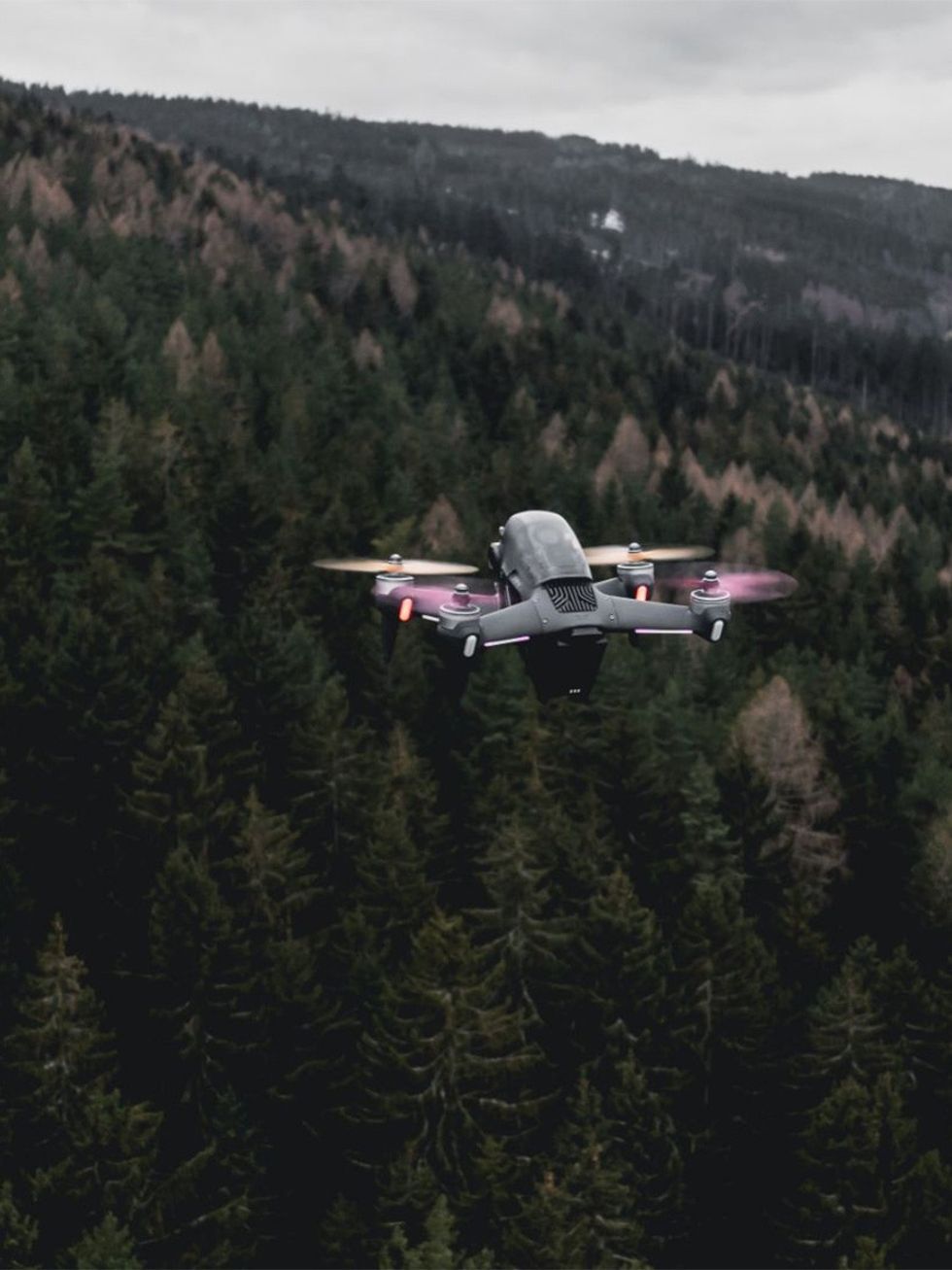 Drone over forest.Image via Canva - Photo by Justin Wolfert
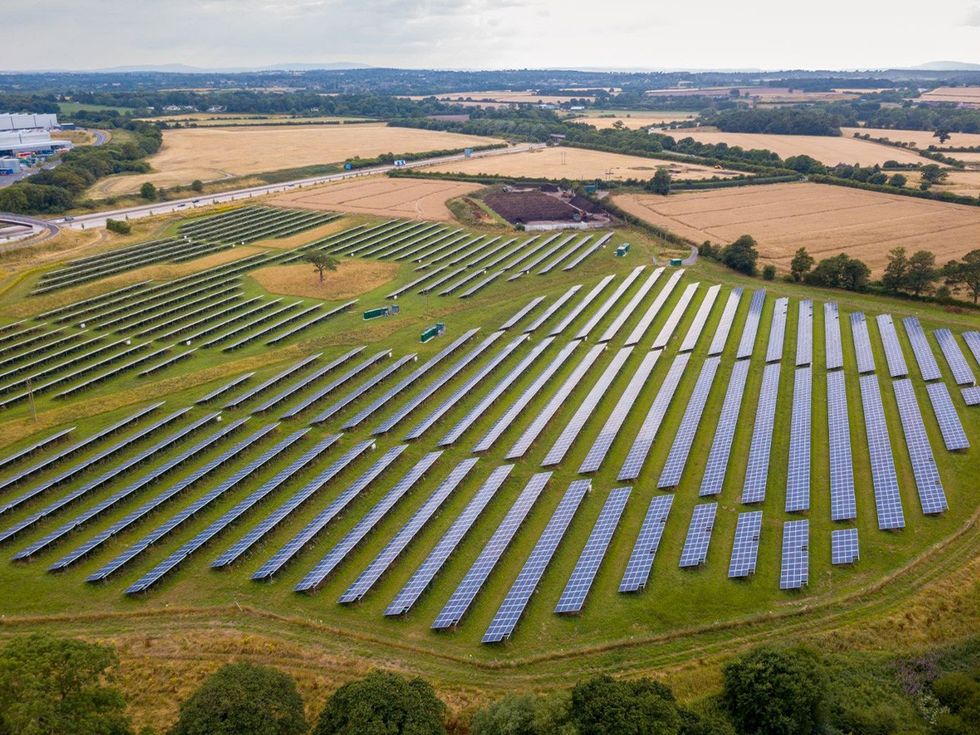 Solar power farm.Image via Canva - Photo by leonard78uk
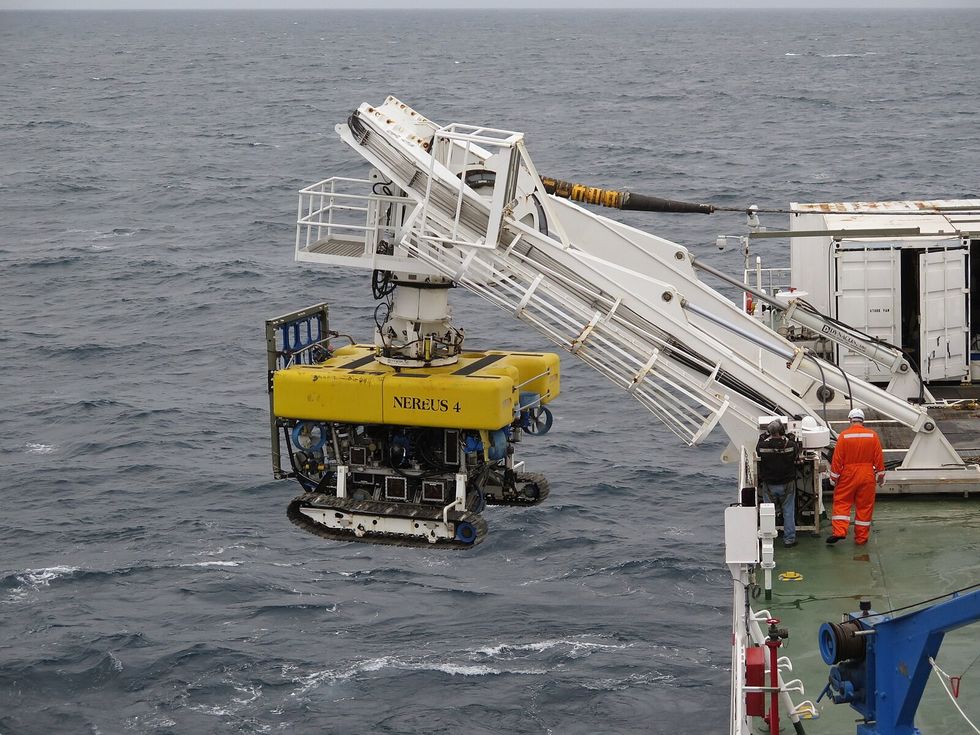 Launching the underwater robot from the CS Responder.Image via Wikimedia Commons under the Creative Commons
Women share the first things they did after their husbands died and the internet is in awe