



In movies, death is usually portrayed as a dramatic moment in which the dying person delivers an emotional monologue, gives a life lesson to his children, or reveals a secret. But in real life, death isn’t as idyllic. In real life, people don’t even know what could end up being their “last words.” People don’t know when they’re going to die. Death just arrives spontaneously. In a recent episode of Rob Moore’s podcast “Disruptors,” hospice nurse Julie McFadden revealed the common “last words” that most people say on their deathbed.
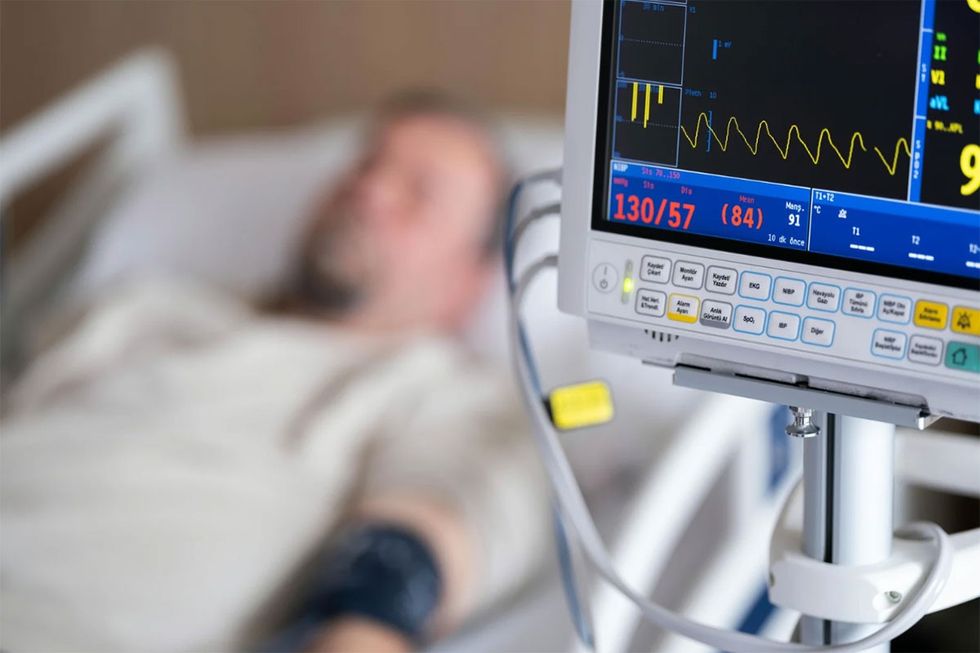 There's a lot of stigma around death. Canva
Julie is a Bachelor of Science in Nursing (BSN) and Registered Nurse (RN) with over a decade of experience working with dying patients. According to the podcast, she has helped more than 300 people achieve a restful death. Julie is also a New York Times best-selling author of the book “Nothing to Fear.” She specializes in end-of-life care and uses her platforms to "remove the stigma around death." Her social media channels feature numerous videos offering deathbed advice, sharing experiences of dying people, and lessons learned from their final moments.
From someone who has seen hundreds of people take their last breaths, the one thing that most people say on their deathbed is, “I wish I didn’t work my life away. I wish I didn’t wait until retirement to do the things I wanted to do,” Julie revealed in the video. Apart from this, Julie has seen many people say, “I wish I would have appreciated my health.” “The biggest thing I hear from people who are dying is that they wish they would have appreciated how well they felt before,” she said.
Continuing, Julie talked about her daily habit of making a nightly “gratitude list,” a lesson she learned from seeing her dying patients. Witnessing death head-on, she learned to be grateful for little things, something that dying people say they should have appreciated earlier in their lives.
 Gratitude is something you can learn to practice. Canva
She reflected that people usually take simple things for granted. At the same time, Julie said that human bodies are biologically built to die. So, acceptance is a huge factor for people to die peacefully.
Other statements that many people make when dying include “I wish I didn’t work so much,” “I wish I didn’t wait till I was retired to go on that vacation,” “I wish I said what I needed to say,” “I wish I’d have lived how I truly wanted to live,” and more likewise.
When asked about the last wish of dying people, Julie said their first thoughts are about the people they’re leaving behind. Dying people think, “I wish that they’re going to be okay. It's usually about loving connection.” During these moments, she said, she gets to witness a lot of love, “real-time love in action. It's really a beautiful thing.” But even for people dying alone, not surrounded by friends or family, they too can have very beautiful deaths. “Like I had a woman once, who was very old, 101 or something,” Julie recalled, “Everyone she knew had died. She was alone. And she never got married. She never had kids. So she essentially died alone with her caregiver who she paid to be there. But she died very peacefully. She had a full life. To me, that didn’t seem sad either.”
Julie further shared that people who maintain flexibility, who surrender, and who don’t have a hard time asking for help have more chances of dying peacefully than those who try to control too much. When asked about the importance of money in life, Julie said, although money doesn’t really make one happy, it is necessary, “It helps to have money to die well. In America, you can’t get hospitals for free.”
 Witnessing death is a way to learn to appreciate life. Canva
Another tip the nurse learned from seeing people die is to live life in the present moment. "We’re dying but we’re not dead yet,” said Julie, adding, “Be present with your life as it is right now because it is likely to come to an end, whether you kick or scream or not." So, "be present" and be grateful about today.
This article originally appeared last year.






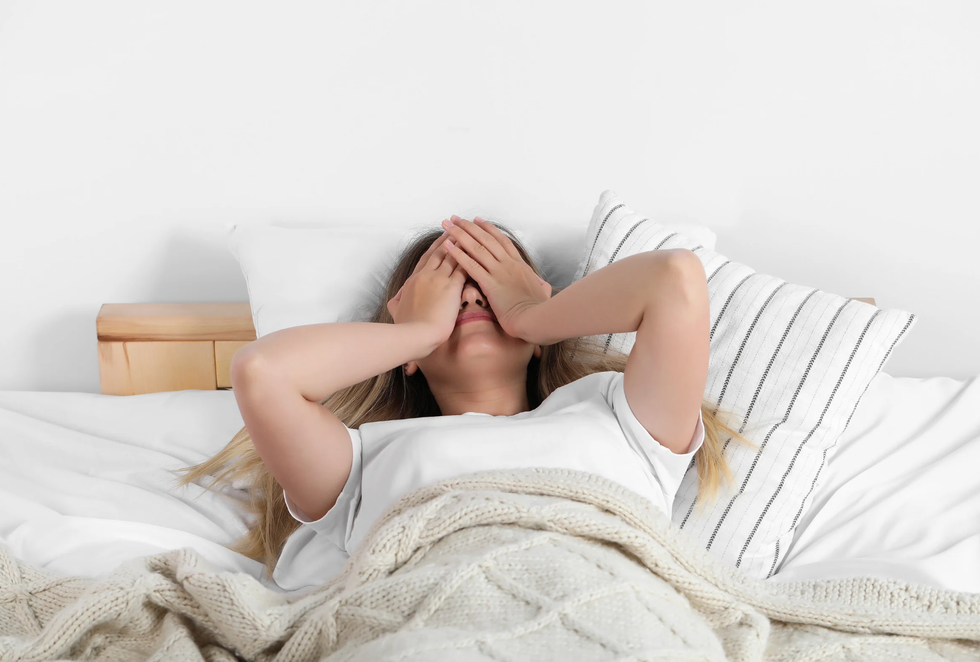 A woman feeling under the weather lies in bedCanva
 A Carbon monoxide alarmCanva
 A happy woman sips from a coffee mugCanva
 Representative Image: Busy hands working on a garment.
  "SPEECHLESS!" Facebook I
  "God is really good!"Facebook I
 A family holding hands.
 Representative Image: Money changing hands.
  Representative Image: It seemed like a great tip at first.
  Image Source: Reddit |
 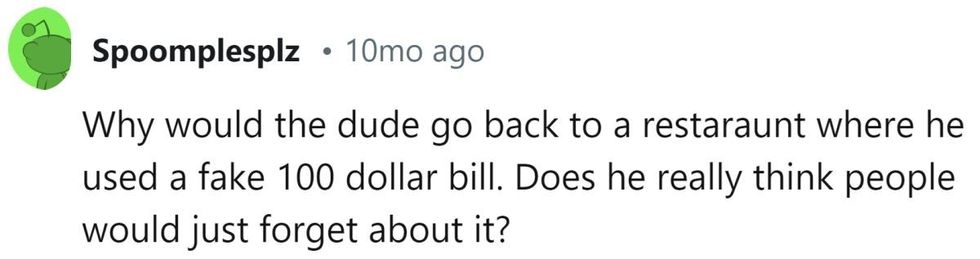 Image Source: Reddit |
  Image Source: Reddit |
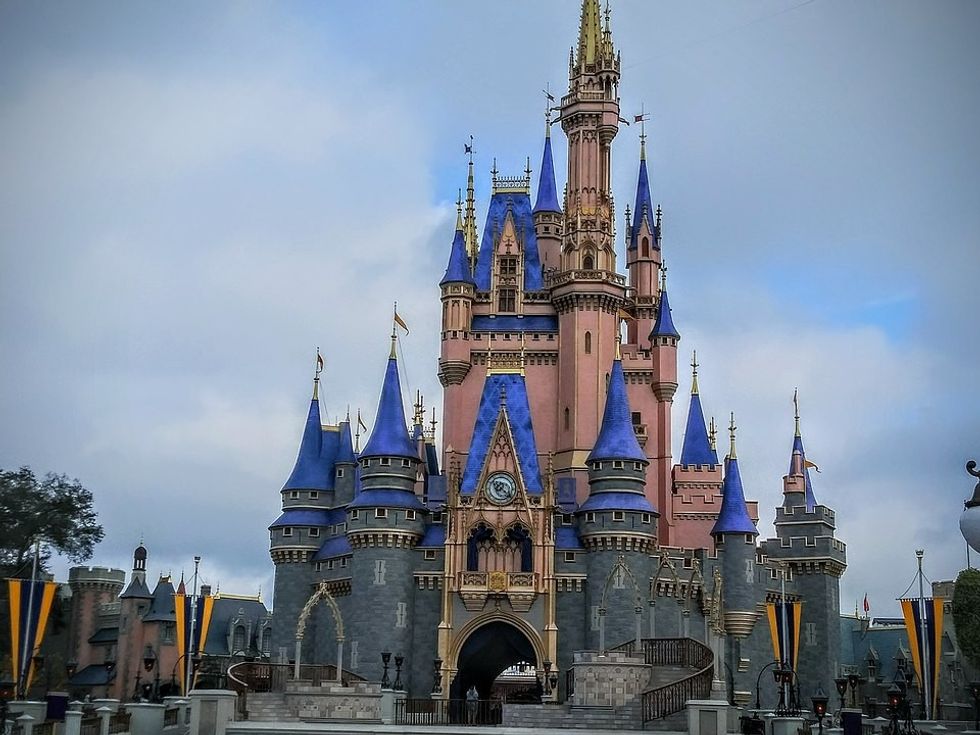 Representative Image: Disney World made the perfect surprise.
  Image source: TikTok |
  Image source: TikTok |
  Image Source:
 An elderly man walks down an icy roadCanva
  An elderly man grilling at a partyCanva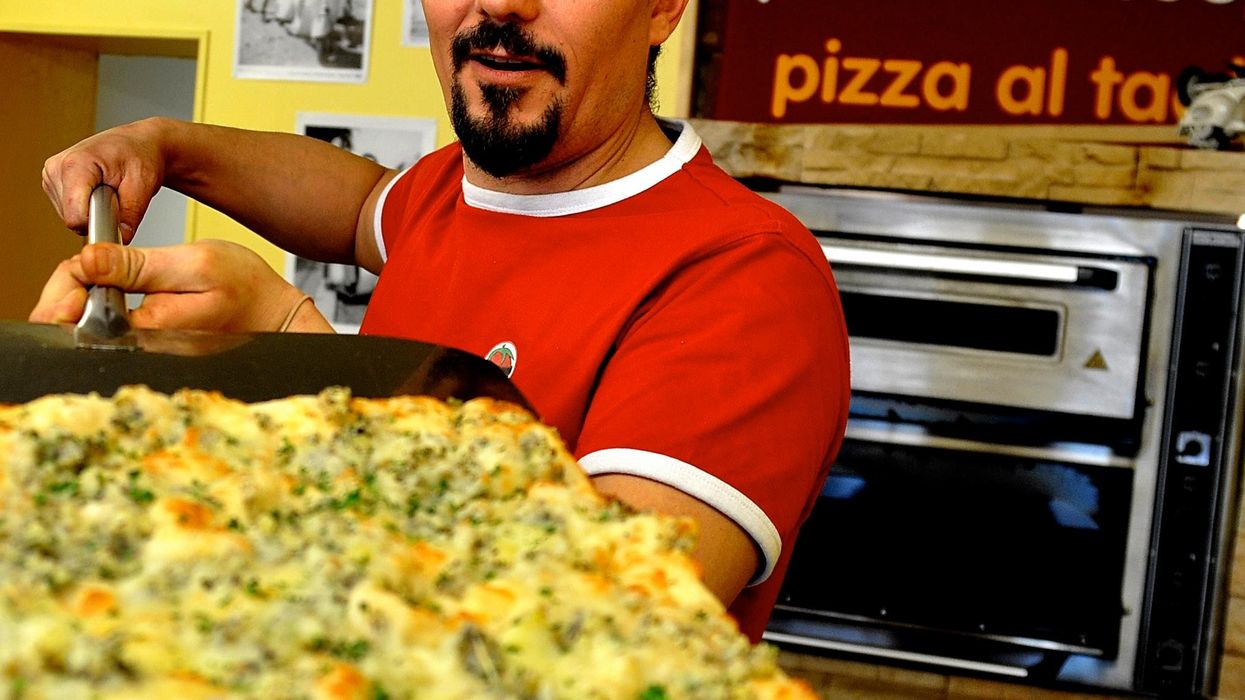
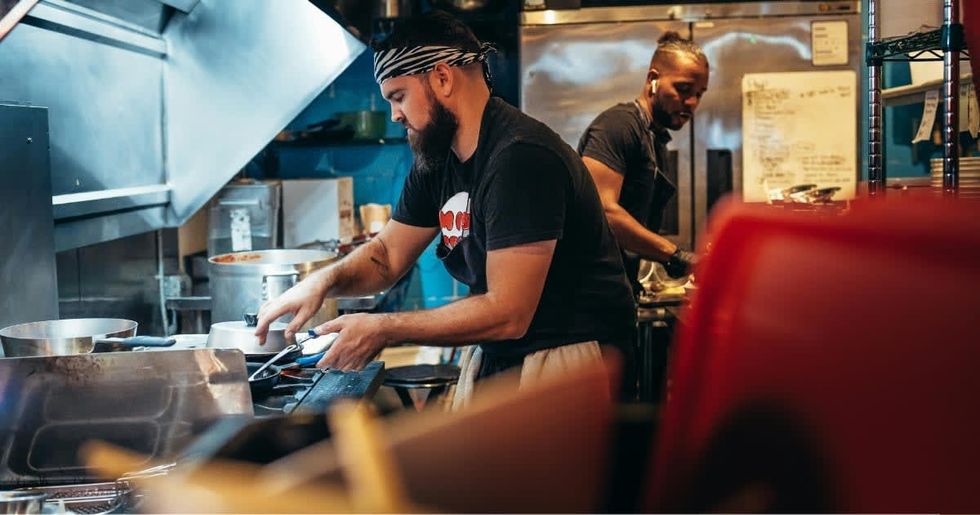 Representative Image: Making pizzas for hungry people. Pexels I Photo by Jvxhn Visuals
 Representative Image Source: Pexels I Photo by Polina Tankilevitch
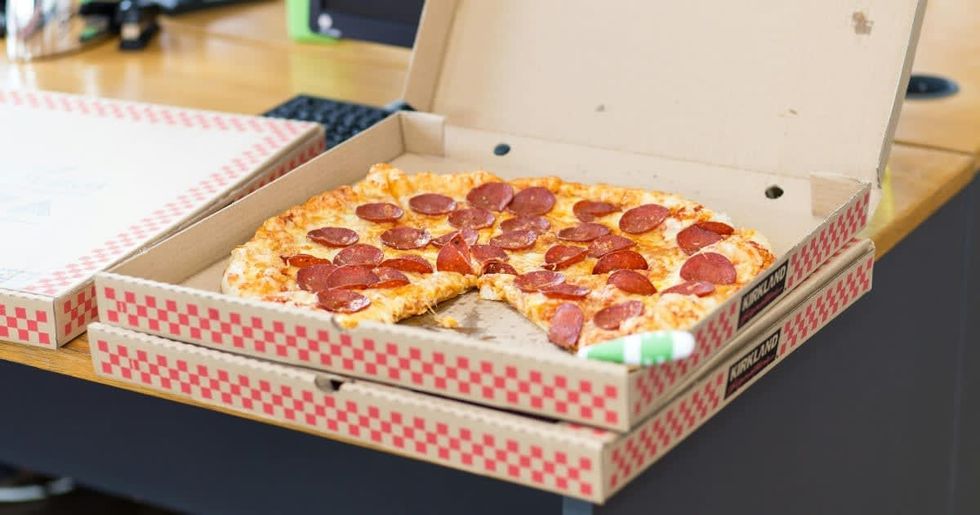 Representative Image: Is there anything better than pepperoni? Pexels I Photo by Pixabay
 "This story made my whole night better." Reddit I
Female shopper looking for help
21 products that are gaslighting us into thinking they’re essential when they’re not
Some things in life are actually necessary—clean water, decent healthcare, basic human decency. But then there are the things that feel like they’re gaslighting us. The things we’re told we can’t live without, even though we survived just fine before they existed. Things like "smart" fridges, lawn fertilizer services, and yes—whole body deodorant.
Recently, our sister-site Upworthy asked their Facebook audience the question: What's a product or service that feels like it's gaslighting all of us into thinking it's necessary? More than 8,000 responses poured in. The answers were passionate, funny, and surprisingly unified.
Here are 21 products, services, and systems people called out for pretending to be essential—when they might actually be optional, overpriced, or flat-out invented.
1. Whole body deodorant
"Take a shower," said Shannon H.
“How did we ever manage all those years without it!! 😂😵💫” added Karen R.
Others noted it may help people with medical conditions—but for the average person, it's definitely a marketing creation.
2. Health insurance
It topped the list. Erica L. explained: “My doctor prescribes, the pharmacist issues meds, nurses care for people, surgeons do surgery—Health Insurance stands between health care and patients and says no, exclusively on whether they think it’s financially effective to treat you.”
Important note: Health insurance can provide life-saving access for many—but what people are frustrated by here is the profit-first system, not care itself.
3. The wedding industry
Multiple people slammed the high cost of modern weddings.
JoElla B. put it plainly: “We spend too much time and money planning one day, and not enough thought on how to blend two lives in a mutually beneficial one.”
Others called out expensive dresses, venues, and pressure to perform for social media.
4. Bottled water
Carole D. said: “Water in plastic bottles! Get a cup!”
While bottled water has value in emergencies, it’s often just filtered tap water—sold for profit in plastic.
5. Baby product overload
“Most baby products,” wrote Kelli O. “They really aren’t as needy and complicated as companies want us to think.”
6. Fabric softener
“It’s bad for clothes, bad for the Earth, bad for the wallet, and totally unnecessary,” said Gail H.
Some experts agree—many softeners contain chemicals that can reduce fabric lifespan and irritate skin.
7. Smart appliances
“Adding ‘phone controls’ to every appliance instead of making them last as long as they used to,” wrote Sherry S.
When your fridge needs a software update, something’s gone off the rails.
8. Makeup and anti-aging products
“Anything anti-aging,” said Melissa T., “Please just let me age into the gargoyle I was meant to become.”
Others questioned products designed to “fix” eyelashes, eyebrows, pores, and graying hair.
April S. added, “Products that women are convinced they MUST have in order to be ‘beautiful’ and therefore ‘loved.’”
9. Cosmetic surgery
Ron P. called out the industry as a whole. And while body autonomy matters, many commenters questioned whether insecurities are being commodified and sold back to us.
10. Ticketmaster and “convenience fees”
“Let’s go back to waiting in line at a record store,” wrote Nicole C.
Zaida B. added: “Convenience fee for online purchases—then charging $10 more at the actual event.”
11. Engagement rings
James P. didn’t mince words: “Engagement rings.”
The diamond industry has long been criticized for manufactured scarcity and marketing-fueled necessity.
12. Lawn chemicals and services
“Plant native grasses and you don’t have the pests or need for constant watering,” wrote Jamie B.
Environmental groups have raised similar concerns over runoff and unnecessary pesticide use.
13. AI and generative tech
“This stuff squeezes the lifeblood and individuality out of the human experience,” said Teresa L.
Saskia D. and others echoed skepticism about its necessity, even as many of us are being pushed to use it.
14. Funeral services
Amy W. shared: “My parents both have already paid to have themselves cremated and are very adamant that they do not want anything big done for them. In their words, ‘I won’t care, I’m dead.’”
Of course, some families find comfort in tradition—but the cost and pressure can feel overwhelming and predatory.
15. Rinse and repeat
Amy D. nailed it: “It’s just to sell more. Not even sure you need it at all.”
16. Credit Card Surcharges
Shawn S. took aim at the extra fees popping up at checkout: “That is the cost of doing business and shouldn’t be the burden of the purchaser.”
Many questioned why customers are increasingly being asked to pay extra simply for the convenience of using a card.
17. Constant phone upgrades
“Apple are notorious for releasing the same shit every year,” said Steph S.
Diana H. added, “Needing to upgrade our phones so frequently.”
Built-in obsolescence and marketing cycles drive most of the demand.
18. Vitamins and supplements
“If I took every supplement they say I NEED I wouldn’t need food. Nor could I afford it,” said Tausha L.
19. Fake pockets on women’s pants
Jessica W. said, “I have to buy men’s pants for work because women’s pants would just get torn up too fast!”
Form over function, and then they charge more for it.
20. Disposable everything
“The ‘convenience’ of disposable everything,” said Rick R.
It’s killing the planet—and draining wallets.
21. Tipping
“I’m sick of supplementing for corporations that refuse to pay a living wage,” wrote Susan V.
Tipping culture has evolved into something far removed from its original intent, and for many, it now feels like a burden shifted onto the customer.
The bigger picture
People aren’t saying all these things should vanish tomorrow. But when we start seeing convenience sold as necessity, and insecurity turned into billion-dollar markets, it's worth asking: who benefits from all of this?
And more importantly—who pays?
This article originally appeared earlier this year.