






Millions of years ago, Earth was home to a supercontinent called Gondwana, which included present-day South America, Africa, Arabia, Madagascar, India, Australia, and Antarctica. Around 140 million years ago, tectonic plate movements caused South America and Africa to begin drifting apart. As magma from Earth’s mantle rose, it formed a new oceanic crust, gradually creating the Atlantic Ocean that now separates the two continents.
 Representative Image Source: Pexels | Kellie Churchman
In a new study, paleontologists discovered 260 near-identical dinosaur footprints in Brazil and Cameroon, suggesting that what is now a 6,000-mile stretch of ocean was once a connected landmass, likely a walkway for dinosaurs, reports The Sun. The full study was published in the New Mexico Museum of Natural History & Science.
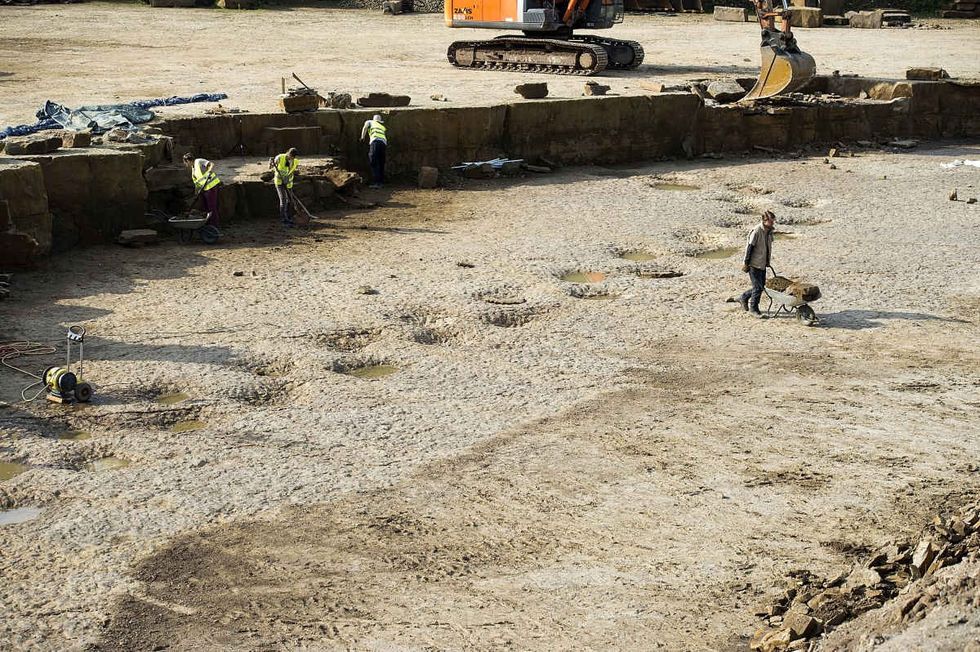 Representative Image Source: Footprints of a long-neck dinosaur (Diplodocus), found in a quarry in Germany. (Photo by Alexander Koerner/Getty Images)
The research was conducted by a team led by Southern Methodist University (SMU) paleontologist Louis L. Jacobs. “We determined that in terms of age, these footprints were similar,” Jacobs said in a SMU press release. “In their geological and plate tectonic contexts, they were also similar. In terms of their shapes, they are almost identical.”
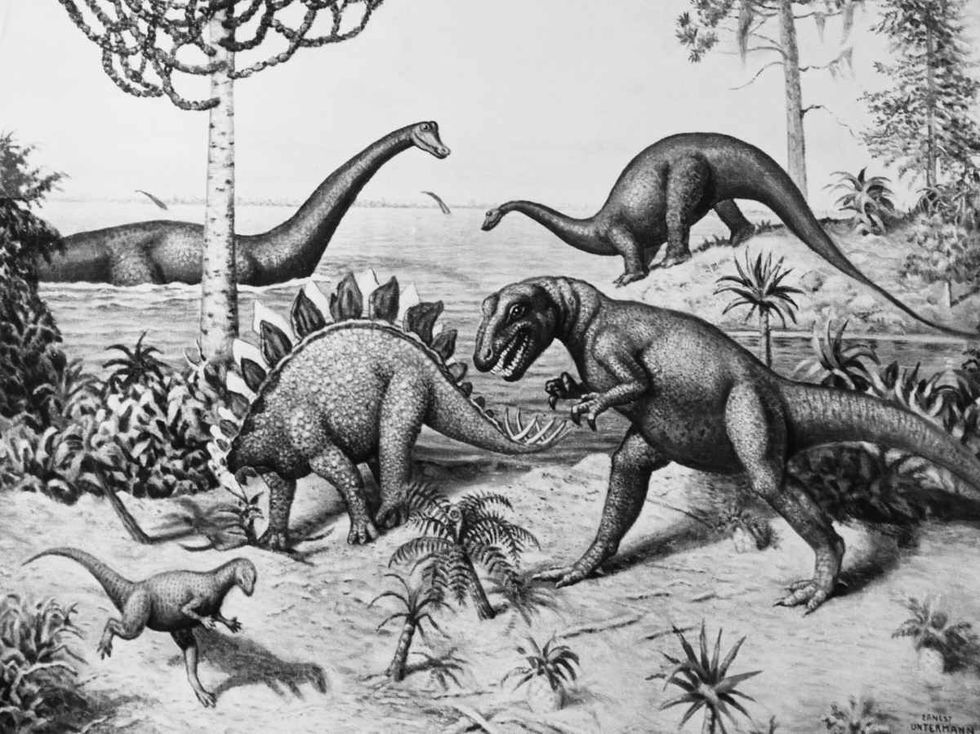 Representative Image Source: Painting from a series by Ernest Untermann in the museum at Dinosaur National Monument, Utah.
The dinosaur footprints they found were pressed into mud and silt, along the trails of ancient rivers and lakes. The footprints were more than 3,700 miles, or 6,000 kilometers, away from each other, said Jacobs. Dinosaurs stamped these footprints on the ground nearly 120 million years ago while they were roaming the grounds of Gondwana, even before it broke off from the larger supercontinent Pangea.
“One of the youngest and narrowest geological connections between Africa and South America was the elbow of northeastern Brazil nestled against what is now the coast of Cameroon along the Gulf of Guinea,” Jacobs explained. “The two continents were continuous along that narrow stretch so that animals on either side of that connection could potentially move across it.
A co-author of the study, Diana P. Vineyard, revealed that most of the dinosaur fossils were created by “three-toed theropod dinosaurs,” and a few were also likely made by sauropods or ornithischians. These footprints, according to the press release, were discovered in the Borborema region in the northeast part of Brazil and the Koum Basin in northern Cameroon. In addition to dinosaur tracks, the team also came across fossil pollen smudged in chalky sediment, that was aged to around 120 million years ago.
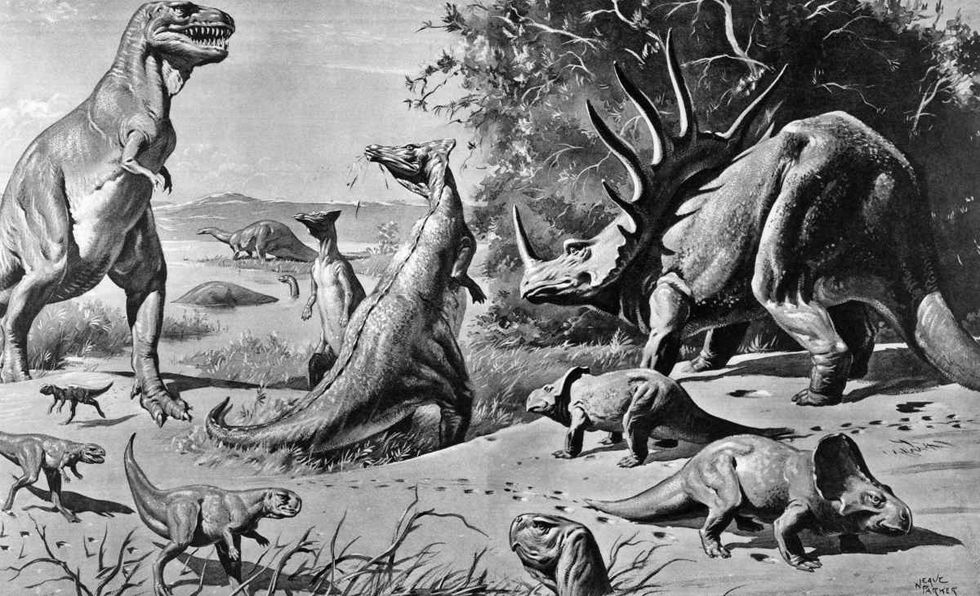 Representative Image Source: VARIOUS DINOSAURS IN GOBI DESERT. (Photo by H. Armstrong Roberts/ClassicStock/Getty Images)
Commenting on this, Jacobs said, “Muddy sediments left by the rivers and lakes contain dinosaur footprints, including those of meat-eaters, documenting that these river valleys could provide specific avenues for life to travel across the continents 120 million years ago.”
Jacobs first discovered the dinosaur tracks in Cameroon in the 1980s, and he presented them at the First International Symposium on Dinosaur Tracks and Traces, convened by paleontologist Martin Lockley, in 1986, per CNN. “One beauty of this Earth is that any of us can see that Africa and South America used to fit together like puzzle pieces,” he said, “It is easy to conceive that in a connected world, animals, including dinosaurs, could and would be likely to move from place to place.”
This article originally appeared 2 months ago.










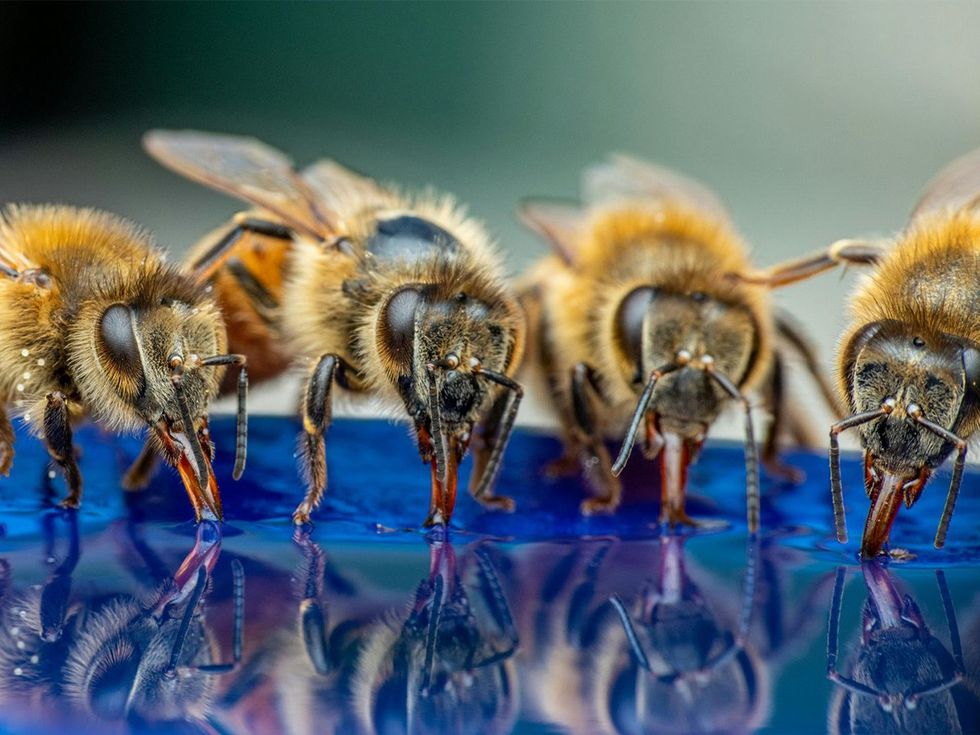 Bees feeding on food source.Image via
 In the depths...Pexels | francesco ungaro
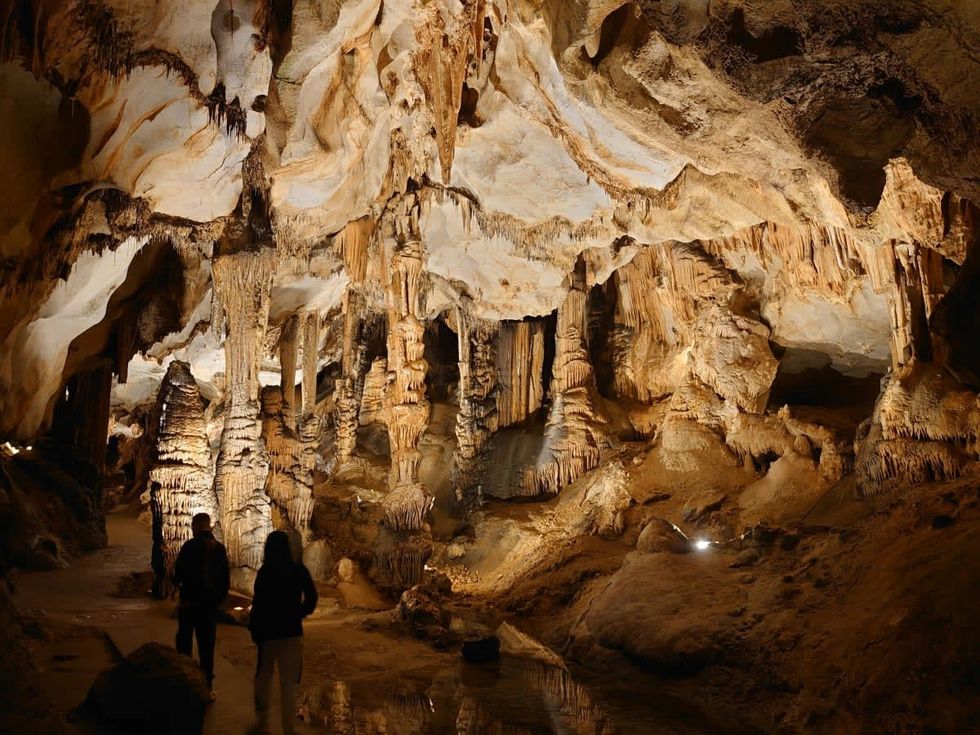 Hope the lights stay on. Pexels | parfait fongang
 "That was beyond crazy..." YouTube |
  "This is the stuff of my nightmares..."YouTube |
  "Totally blown away..." YouTube |
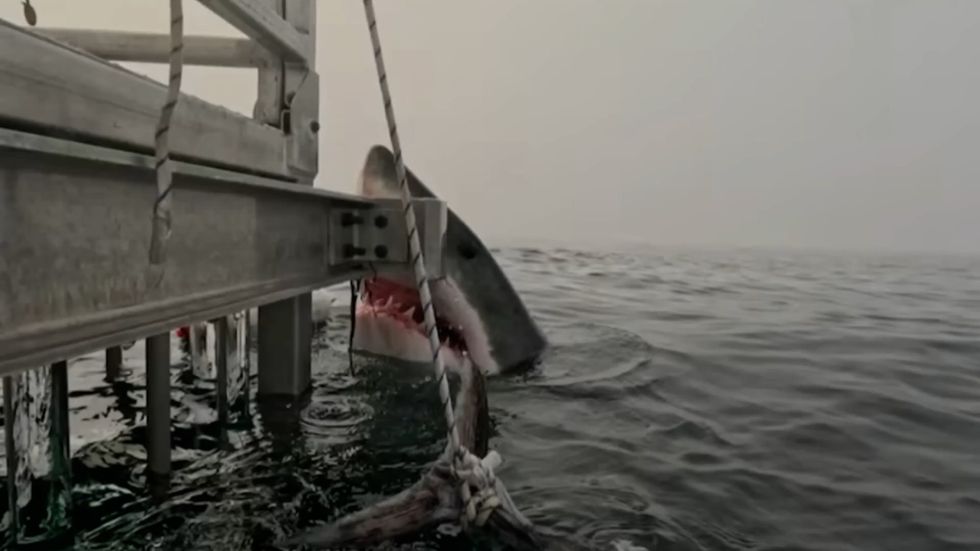 Great white shark pokes its head above water.Image pulled from YouTube video - Photo taken by Geraldine Fernandez
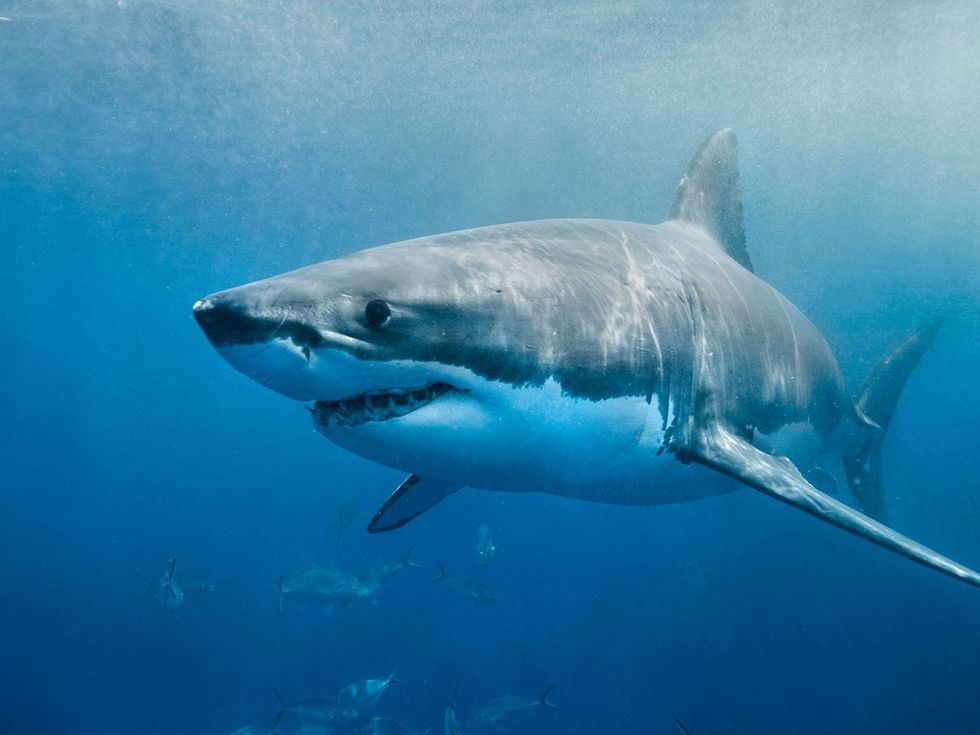 Great white shark swims in the ocean.Image via Canva - Photo by lindsay_imagery
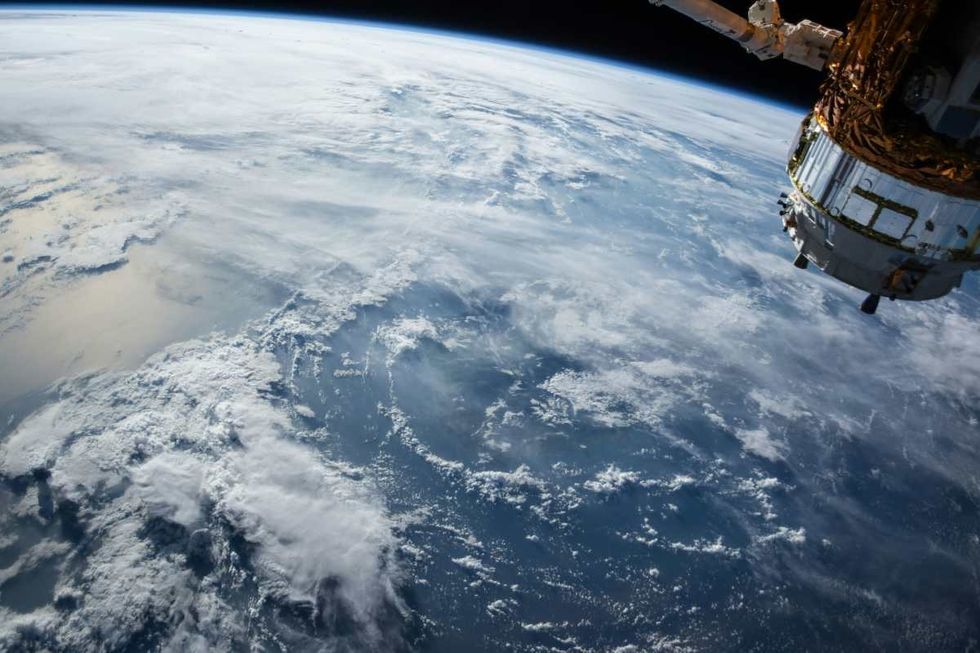 Representative Image Source: Unsplash | NASA
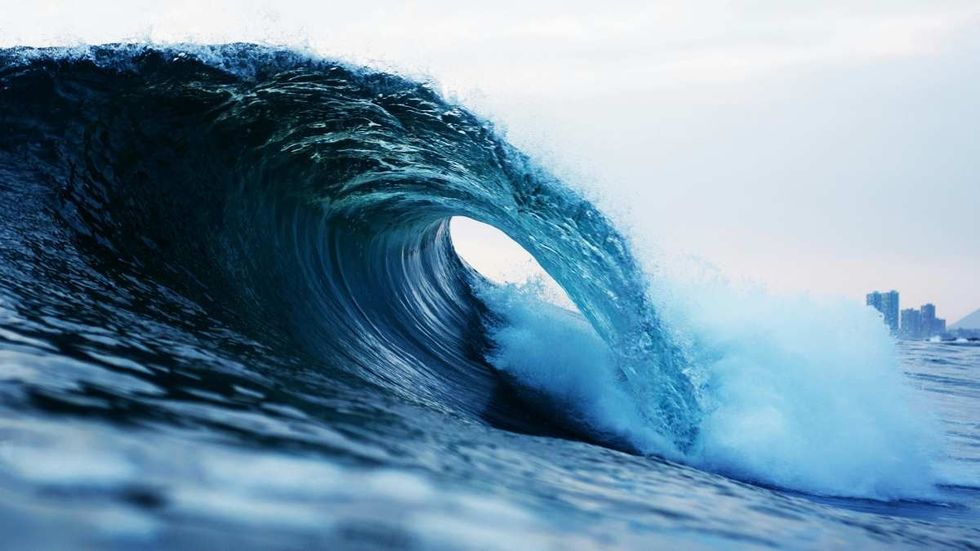 Representative Image Source: Pexels | Earano
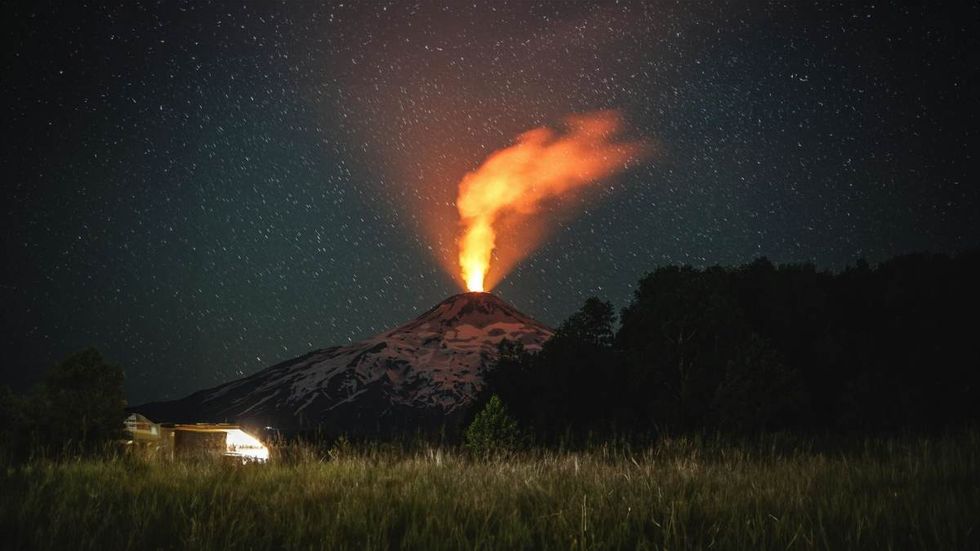 Representative Image Source: Pexels | Mauro Ignacio Torres
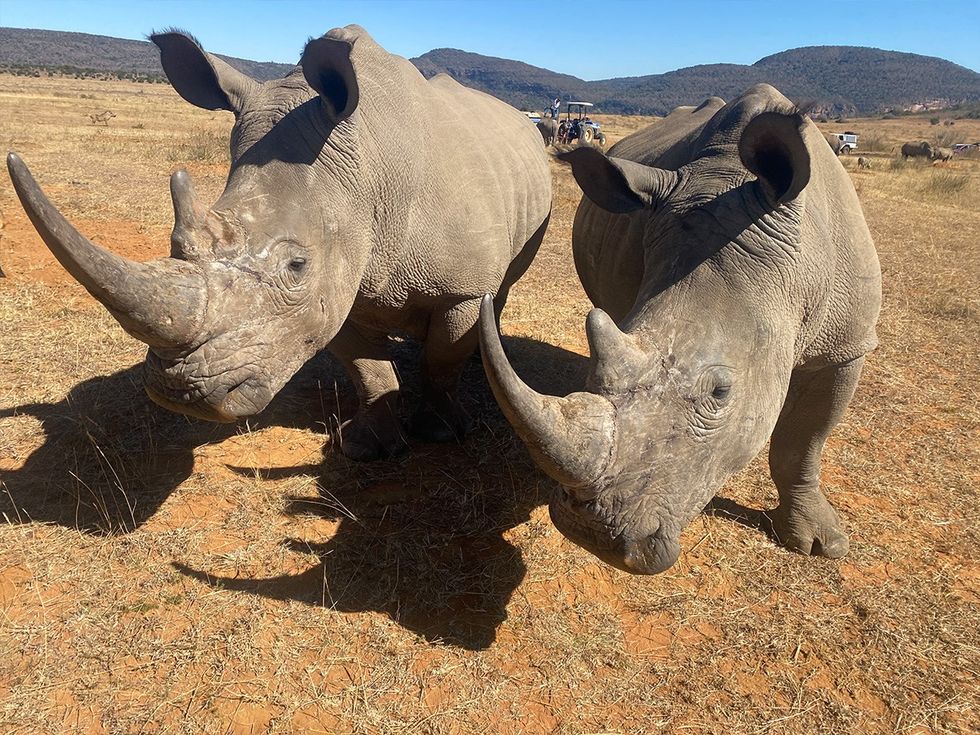 Two rhinos i the Waterberg Mountains of South Africa.Image via IAEA
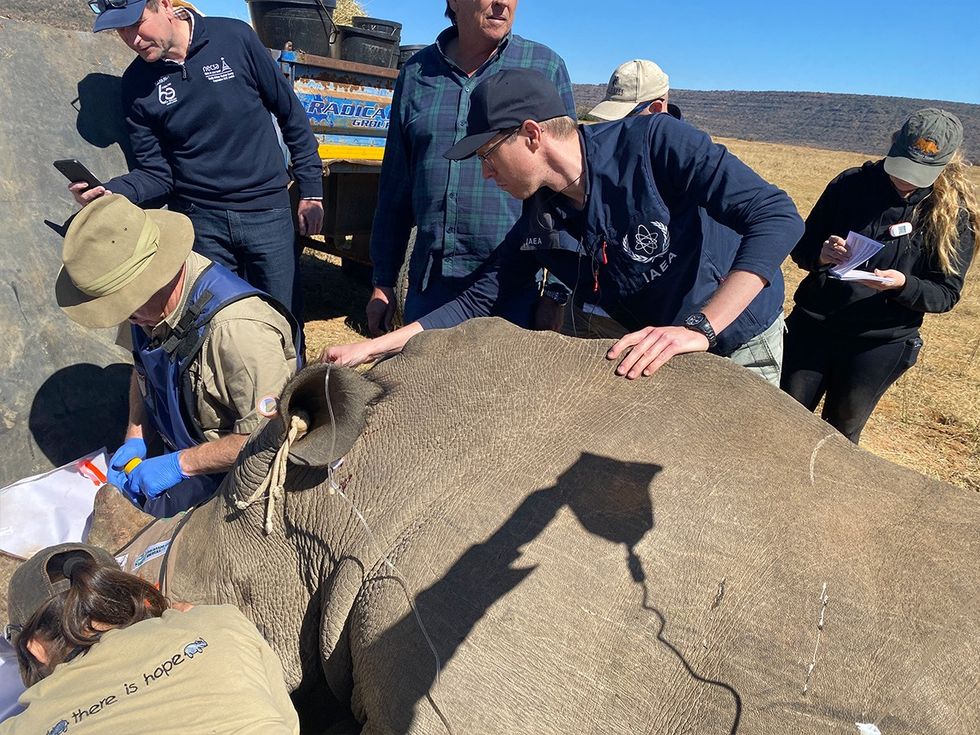 Isotope injection of rhino at the Rhino Orphanage in South Africa.Image via IAEA
 Climate change around the world.Image via Canva - Photo by piyaset
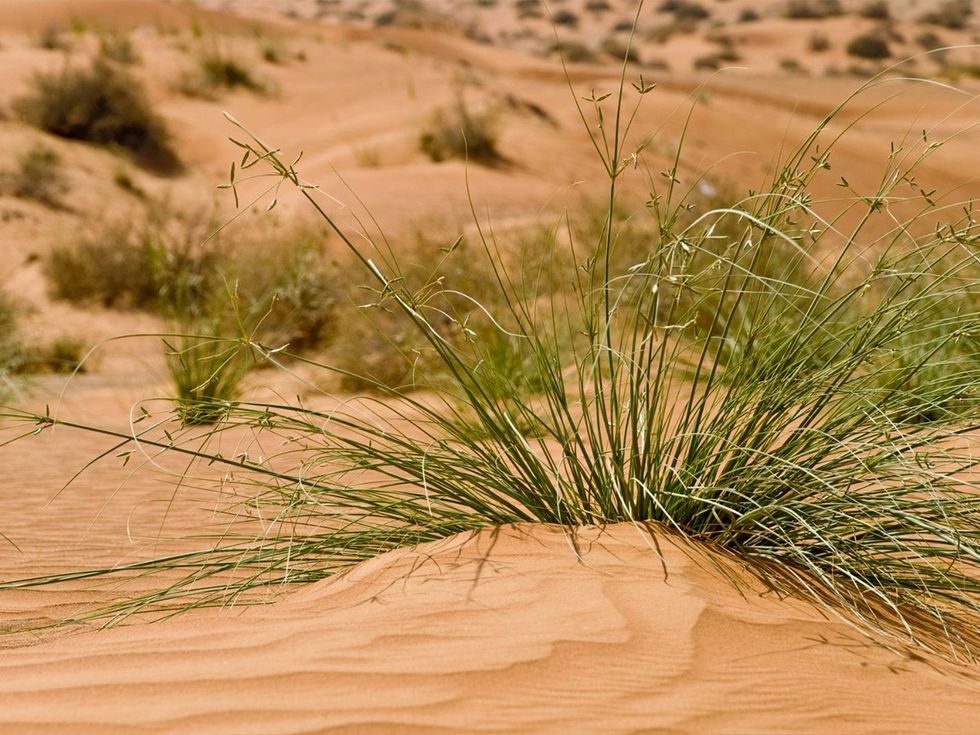 Desert grass.Image via Canva - Photo by clearandtransparent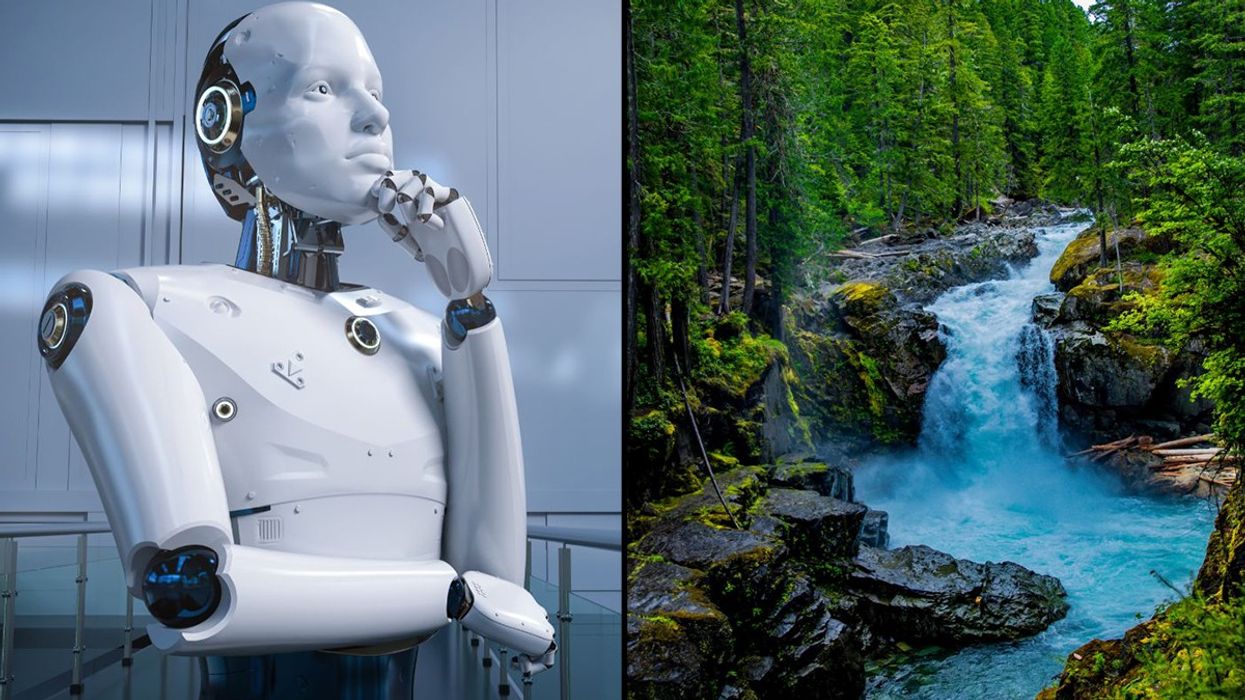
 Hands hold a tree in digital globe.Image via Canva - Photo by Peach_iStock
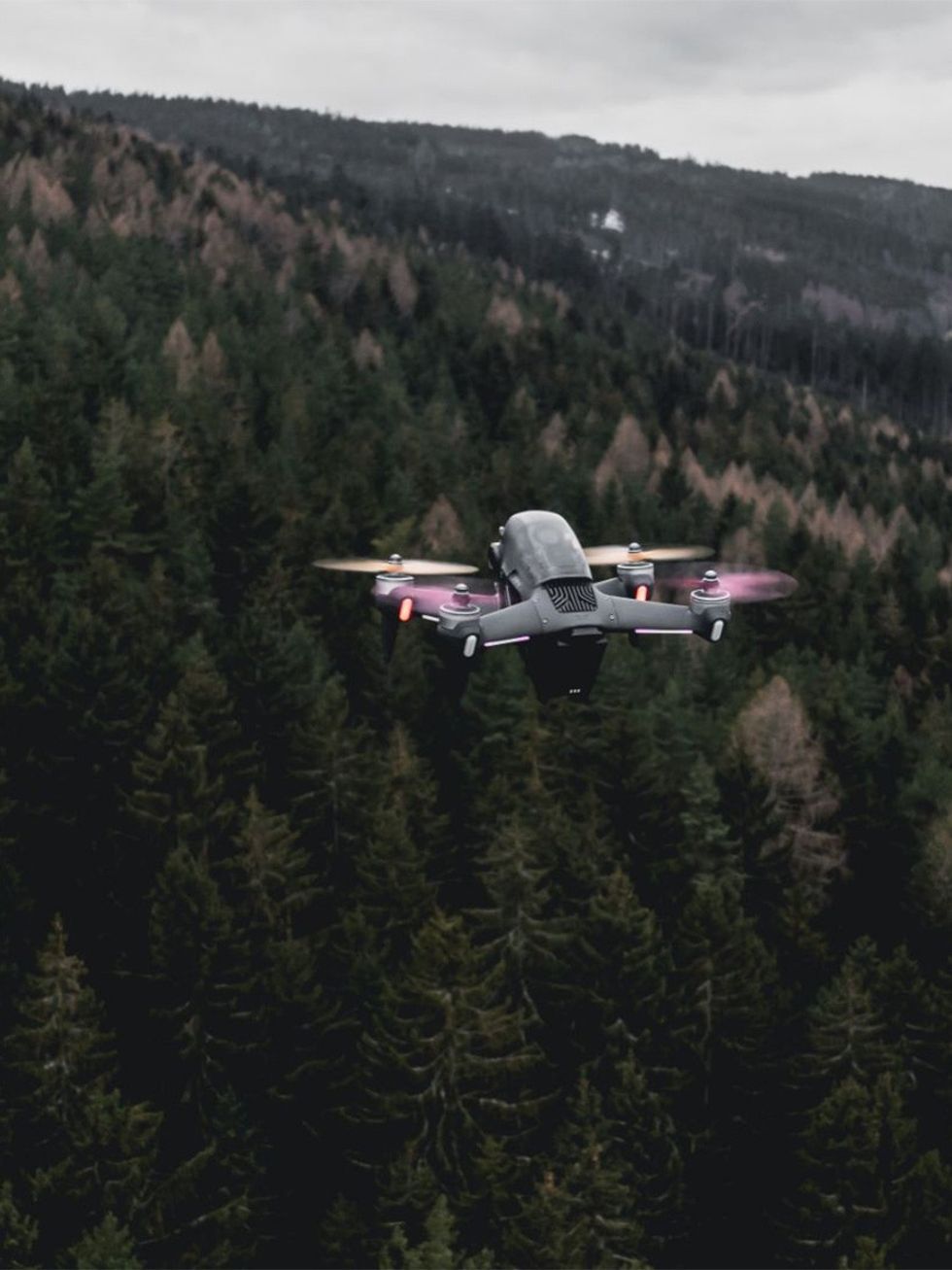 Drone over forest.Image via Canva - Photo by Justin Wolfert
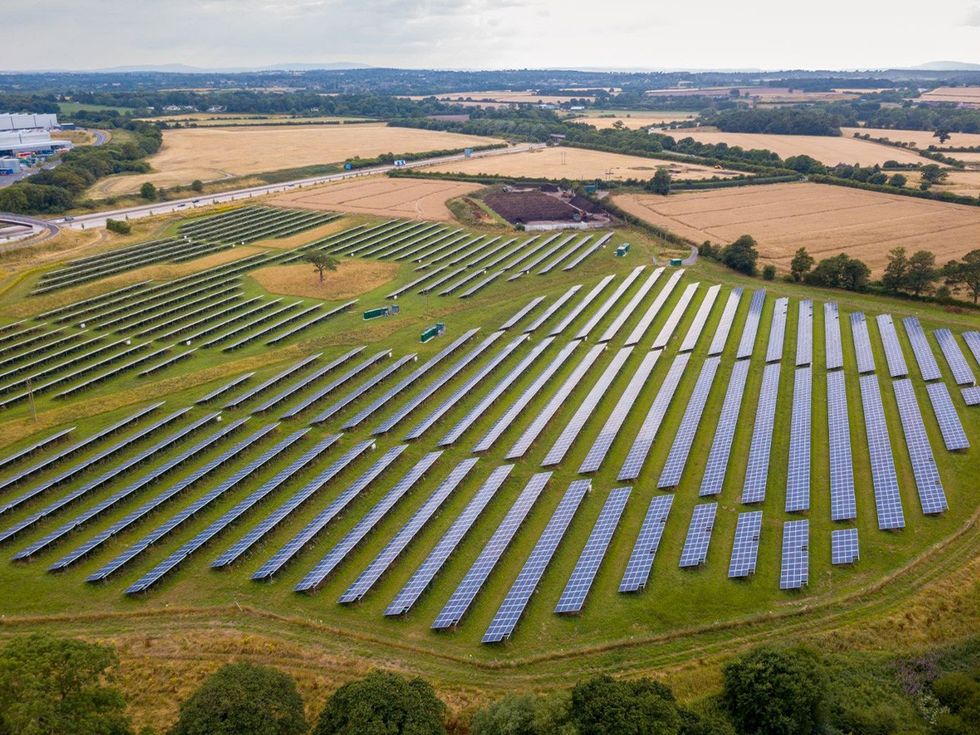 Solar power farm.Image via Canva - Photo by leonard78uk
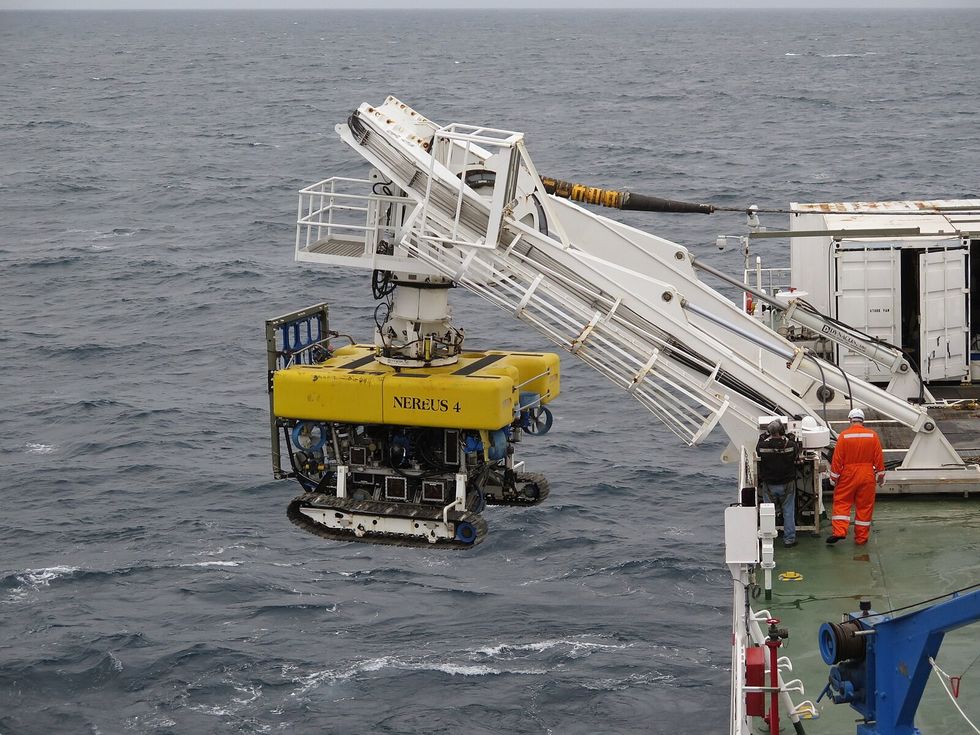 Launching the underwater robot from the CS Responder.Image via Wikimedia Commons under the Creative Commons