





When sharing the secrets to a happy marriage, there’s one golden rule that comes to mind consistently for experts and longstanding couples alike: friendship. Because while love and lust are nice, of course, being real, honest, and true friends with your partner is the most important part of any relationship, particularly a marriage you’d like to see last.
While studying love and relationships during his professorship at Harvard, Dr. Arthur Brooks has shared that the most important kind of love is companionate love. According to the American Psychological Association, companionate love is “characterized by strong feelings of intimacy and affection for another person rather than strong emotional arousal in the other’s presence.” As the Encyclopedia of Social Psychology shares, companionate love is “also known as affectionate love, friendship-based love, or attachment.” While a guest on the podcast The Drive helmed by Peter Attia, MD, Brooks discussed the nature of companionate love and its importance to relationships, adding that “the goal of your marriage is not passion, it's friendship.” You really, actually, have to like each other.
Dr. Arthur Brooks discusses the importance of companionate love with Dr. Peter Attia. Dr. Peter Attia, MD www.youtube.com
“You must be close friends, ideally, best friends, with your spouse,” Brooks continues. Because if you have kids who grow up and move away, what are you going to talk about when they’re gone? But if you have something to talk about–ideally some overlapping philosophies you enjoy discussing, Brooks says–and you enjoy each other’s company, your relationship is virtually unstoppable.
You may not always have passion; in fact, as Brooks says, it’s actually “healthy, normal and actually advisable” that it peters over time “because it's more sustainable over the long run.” But you don’t just have to take it from Brooks.
Below: Denzel Washington and Pauletta Washington have been married for 42 years.
The renowned psychologist Dr. John Gottman–founder of The Gottman Institute, whose goal is “to foster and sustain greater love and health in relationships”--believed this was the case as well. To continue creating friendship when you’ve been together for a long time, the Institute believes you need to keep listening, keep being interested, keep sharing your experiences, and keep being a good teammate.
Indeed, when answering the question, “What’s the secret to a happy marriage?” respondents in the Reddit thread r/AskOldPeople had the same thing to say. “Valuing our friendship together as much as our romantic interest in one another,” one person shared.
Below: Elton John and David Furnish have been together for 32 years.
“Marry someone you really, really like. Because if you’re doing life together, you’re going to go through a lot of shit. So much shit, y’all,” another shared. “You’ve got to have a partner who you genuinely love seeing walk into the room at least 90% of the time. It’s been 32 years and I still smile when my partner shows up.”
“I’d say my own marriage is happy because we like, love and respect each other,” one more poster added. “We also overlap a lot in values and interests although we each have our own hobbies. And we are not competitive with each other.”
Below: Tom Hanks and Rita Wilson have been married for 37 years.
Tom Hanks shares what makes a happy marriage with 60 Minutes Australia. 60 Minutes Australia, www.youtube.com
And while there will be work, and there will always be work, liking your partner in addition to loving them means there’s a much higher chance that you’ll want to show up to do that work, too. No relationship is easy, but if you and your partner are friends it can become so much easier.
Below: Michelle Obama and Barack Obama have been married for 33 years.
Michelle Obama shares her marriage philosophy with NPR. NPR, www.youtube.com










 An elderly man walks down an icy roadCanva
  An elderly man grilling at a partyCanva
 Two people enjoying a walk through the woods
 A woman pets her dogCanva
  A woman stands in front of a window listening to musicCanva
 A group of people sit around a circle talkingCanva
 A woman sleeping in bedCanva
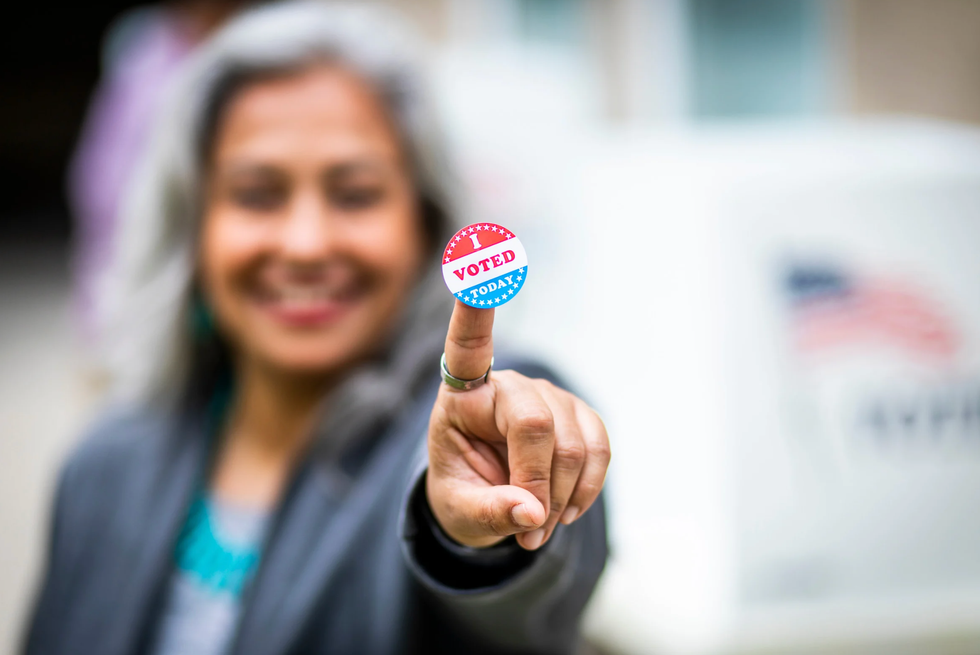 Woman proudly displays an "I Voted" stickerCanva
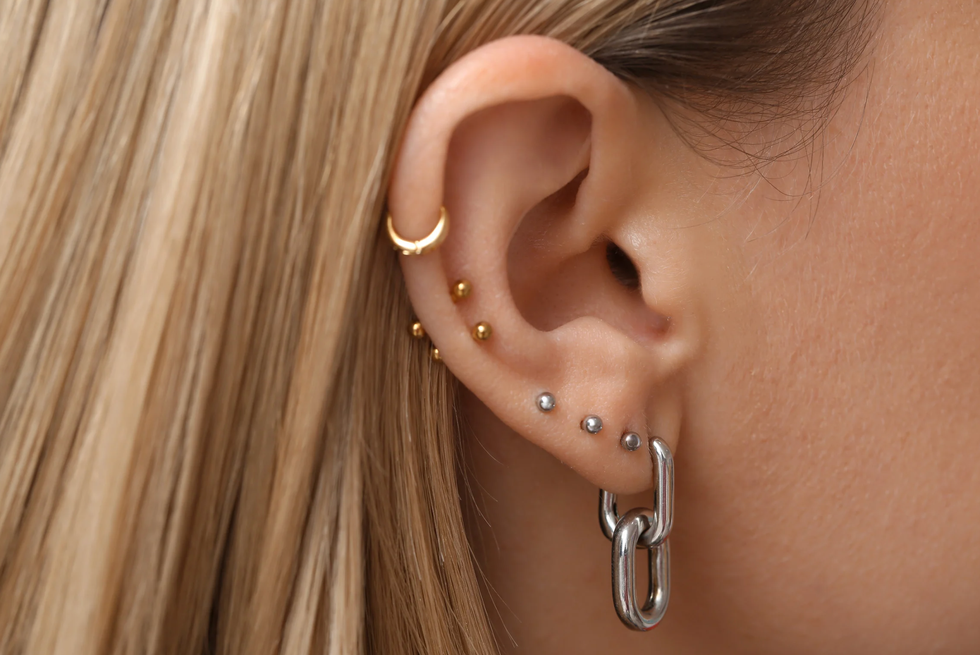 A woman's ear with multiple piercingsCanva
 A woman takes a bit out of a huge strawberry cakeCanva
 The back of a woman's head with silver hair. Canva
 A woman watches the sunset from her carCanva
 A nurse holds a clipboard in a hospital hallwayCanva
 A heavily-tattooed woman holds a mug of coffeeCanva
 Stressed out man at workCanva
 Stressed employee takes a break from workCanva
 Overhead shot of three employees sharing a deskCanva
 A pile of cashCanva
 A pregnant woman clutches her bellyCanva
 An eviction noticeCanva
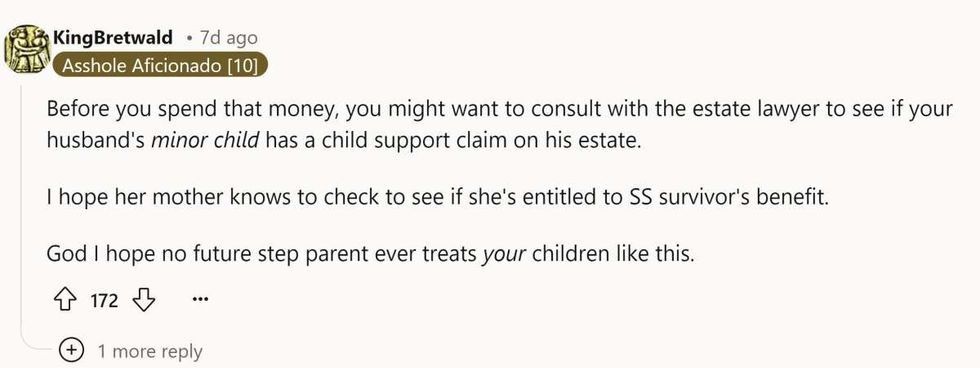 Supportive Reddit comment Reddit |
  A gavel rests in front of a judgeCanva
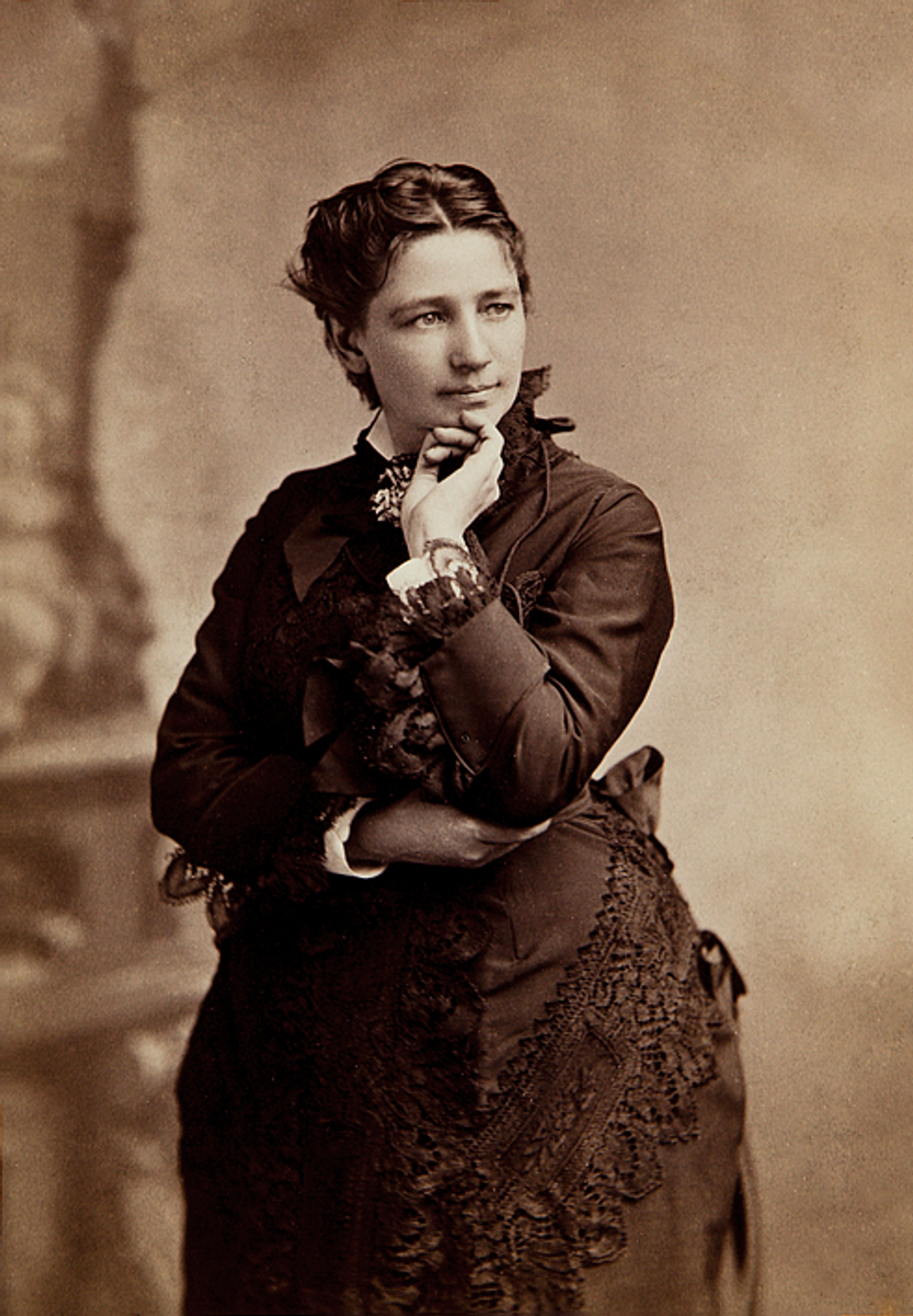 Victoria Claflin Woodhull, the first woman to run for president of the United States in 1872rce Harvard Art Museum/Fogg Museum, Historical Photographs and Special Visual Collections Department, Fine Arts Library via
 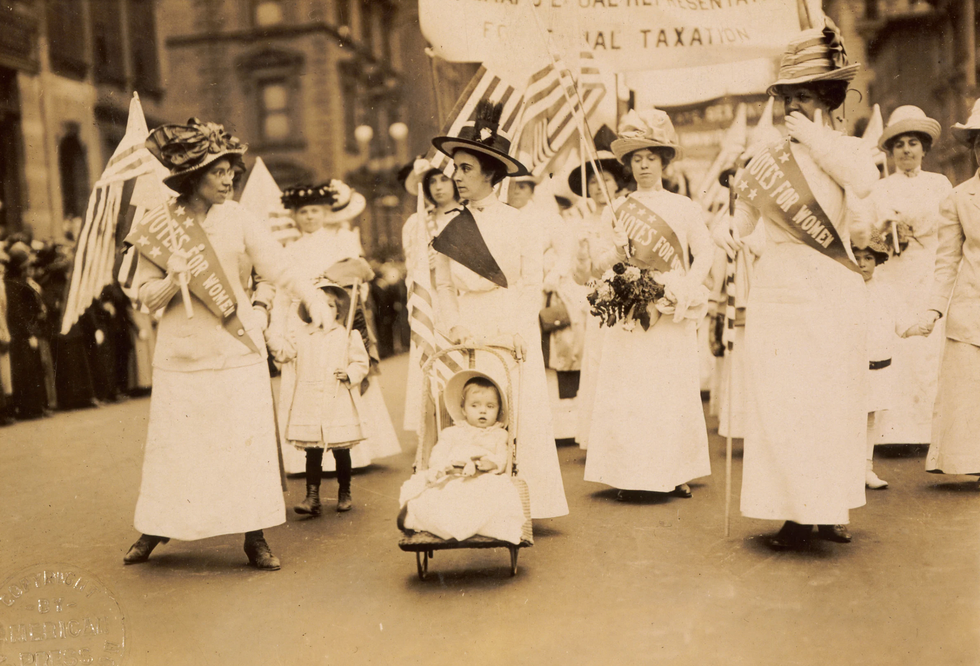 Suffragists matching for women's right to vote in the early 20th centuryCanva
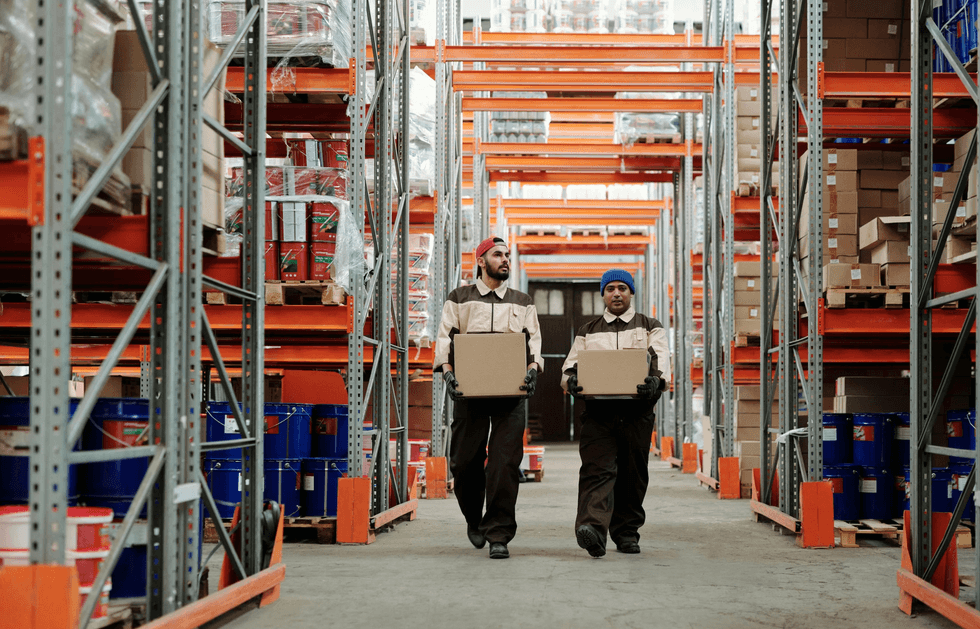 Amazon fulfillment centerCanva
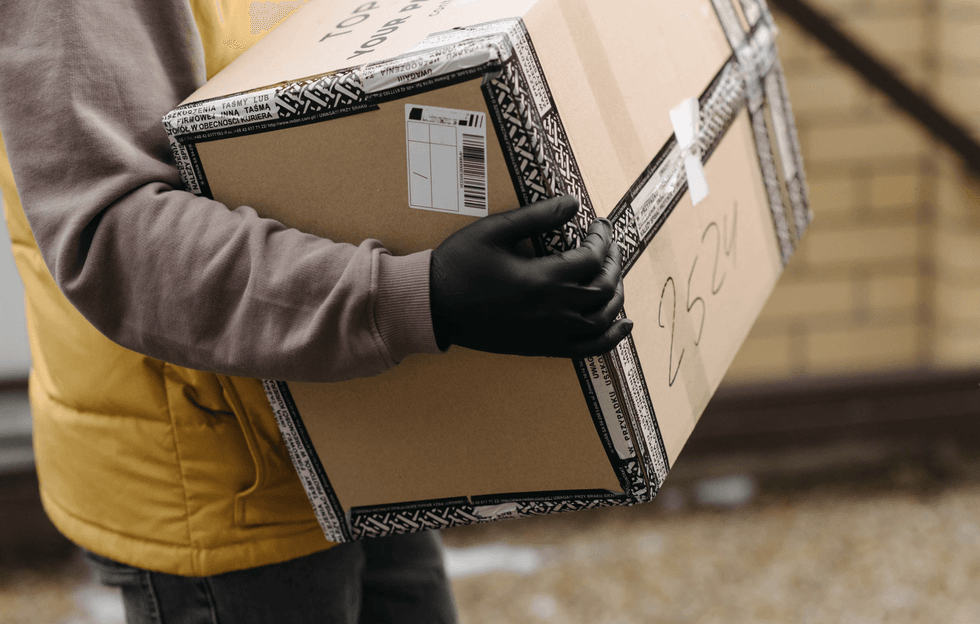 A worker transports a heavy boxCanva
Female shopper looking for help
21 products that are gaslighting us into thinking they’re essential when they’re not
Some things in life are actually necessary—clean water, decent healthcare, basic human decency. But then there are the things that feel like they’re gaslighting us. The things we’re told we can’t live without, even though we survived just fine before they existed. Things like "smart" fridges, lawn fertilizer services, and yes—whole body deodorant.
Recently, our sister-site Upworthy asked their Facebook audience the question: What's a product or service that feels like it's gaslighting all of us into thinking it's necessary? More than 8,000 responses poured in. The answers were passionate, funny, and surprisingly unified.
Here are 21 products, services, and systems people called out for pretending to be essential—when they might actually be optional, overpriced, or flat-out invented.
1. Whole body deodorant
"Take a shower," said Shannon H.
“How did we ever manage all those years without it!! 😂😵💫” added Karen R.
Others noted it may help people with medical conditions—but for the average person, it's definitely a marketing creation.
2. Health insurance
It topped the list. Erica L. explained: “My doctor prescribes, the pharmacist issues meds, nurses care for people, surgeons do surgery—Health Insurance stands between health care and patients and says no, exclusively on whether they think it’s financially effective to treat you.”
Important note: Health insurance can provide life-saving access for many—but what people are frustrated by here is the profit-first system, not care itself.
3. The wedding industry
Multiple people slammed the high cost of modern weddings.
JoElla B. put it plainly: “We spend too much time and money planning one day, and not enough thought on how to blend two lives in a mutually beneficial one.”
Others called out expensive dresses, venues, and pressure to perform for social media.
4. Bottled water
Carole D. said: “Water in plastic bottles! Get a cup!”
While bottled water has value in emergencies, it’s often just filtered tap water—sold for profit in plastic.
5. Baby product overload
“Most baby products,” wrote Kelli O. “They really aren’t as needy and complicated as companies want us to think.”
6. Fabric softener
“It’s bad for clothes, bad for the Earth, bad for the wallet, and totally unnecessary,” said Gail H.
Some experts agree—many softeners contain chemicals that can reduce fabric lifespan and irritate skin.
7. Smart appliances
“Adding ‘phone controls’ to every appliance instead of making them last as long as they used to,” wrote Sherry S.
When your fridge needs a software update, something’s gone off the rails.
8. Makeup and anti-aging products
“Anything anti-aging,” said Melissa T., “Please just let me age into the gargoyle I was meant to become.”
Others questioned products designed to “fix” eyelashes, eyebrows, pores, and graying hair.
April S. added, “Products that women are convinced they MUST have in order to be ‘beautiful’ and therefore ‘loved.’”
9. Cosmetic surgery
Ron P. called out the industry as a whole. And while body autonomy matters, many commenters questioned whether insecurities are being commodified and sold back to us.
10. Ticketmaster and “convenience fees”
“Let’s go back to waiting in line at a record store,” wrote Nicole C.
Zaida B. added: “Convenience fee for online purchases—then charging $10 more at the actual event.”
11. Engagement rings
James P. didn’t mince words: “Engagement rings.”
The diamond industry has long been criticized for manufactured scarcity and marketing-fueled necessity.
12. Lawn chemicals and services
“Plant native grasses and you don’t have the pests or need for constant watering,” wrote Jamie B.
Environmental groups have raised similar concerns over runoff and unnecessary pesticide use.
13. AI and generative tech
“This stuff squeezes the lifeblood and individuality out of the human experience,” said Teresa L.
Saskia D. and others echoed skepticism about its necessity, even as many of us are being pushed to use it.
14. Funeral services
Amy W. shared: “My parents both have already paid to have themselves cremated and are very adamant that they do not want anything big done for them. In their words, ‘I won’t care, I’m dead.’”
Of course, some families find comfort in tradition—but the cost and pressure can feel overwhelming and predatory.
15. Rinse and repeat
Amy D. nailed it: “It’s just to sell more. Not even sure you need it at all.”
16. Credit Card Surcharges
Shawn S. took aim at the extra fees popping up at checkout: “That is the cost of doing business and shouldn’t be the burden of the purchaser.”
Many questioned why customers are increasingly being asked to pay extra simply for the convenience of using a card.
17. Constant phone upgrades
“Apple are notorious for releasing the same shit every year,” said Steph S.
Diana H. added, “Needing to upgrade our phones so frequently.”
Built-in obsolescence and marketing cycles drive most of the demand.
18. Vitamins and supplements
“If I took every supplement they say I NEED I wouldn’t need food. Nor could I afford it,” said Tausha L.
19. Fake pockets on women’s pants
Jessica W. said, “I have to buy men’s pants for work because women’s pants would just get torn up too fast!”
Form over function, and then they charge more for it.
20. Disposable everything
“The ‘convenience’ of disposable everything,” said Rick R.
It’s killing the planet—and draining wallets.
21. Tipping
“I’m sick of supplementing for corporations that refuse to pay a living wage,” wrote Susan V.
Tipping culture has evolved into something far removed from its original intent, and for many, it now feels like a burden shifted onto the customer.
The bigger picture
People aren’t saying all these things should vanish tomorrow. But when we start seeing convenience sold as necessity, and insecurity turned into billion-dollar markets, it's worth asking: who benefits from all of this?
And more importantly—who pays?
This article originally appeared earlier this year.