



There are certain types of people who can only be described as kind. It's written all over their demeanor and energy. Not only are they kind, but they go out of their way to make sure you're doing great: Random calls and check-ins, always available to talk out a problem and make you feel better about yourself and the situation, and if ever you need a ride at 4 a.m. to the airport? They got you.
But did you know that a lot of these "kind" people are really lonely?
That seems like an impossible concept, but it just might be very true. In an article from Global English Editing, writer Lachlan Brown wrote about 10 behaviors showcased by kind people who find themselves virtually friendless. Not having a large social circle is one thing, but feeling isolated and lonely because you don't have many, if any, friends? That's an emotionally challenging life for even the best of people.
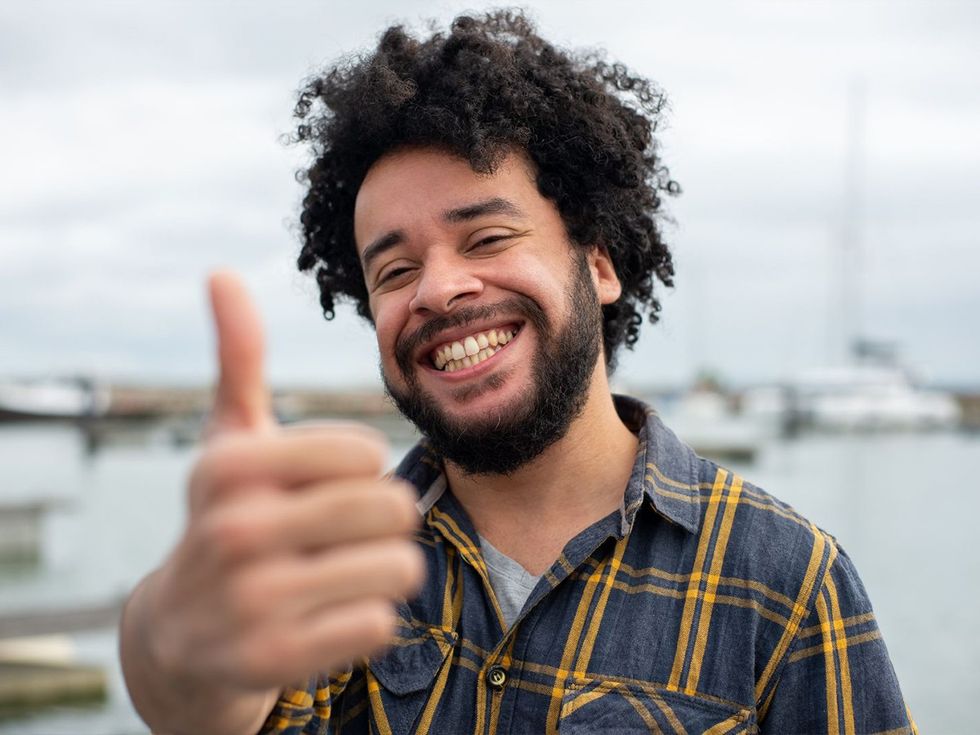 Smiling man with a thumbs up sign.Image via Canva - Photo by Kampus Production
Sometimes the things people do can have unintentional outcomes. The same behaviors that can make people appear very kind can also be the exact reasons they find themselves alone. These are 10 things that kind yet lonely people do:
They prioritize other people's needs
Some people just go out of their own way to help. They are reliable and offer much of their time to aid others in need. Unfortunately, these types of relationships can become one-sided. True and bonding friendships are reciprocal. If you never allow the other person to show up for you, it's robbing them of the chance to be of service. Great friendships are give-and-take. Sometimes kind people are just too embarrassed to ask for help and have their own needs met.
They avoid conflict at all costs
 Avoiding lasers. media0.giphy.com
Some people just want calm waters all the time. Conflict can be messy and it's most certainly uncomfortable. Psychology Today warns the wanting everyone to be happy in the short term doesn't necessarily suit the long term. People need to feel heard and have their boundaries respected in any and every relationship.
Avoiding arguments to make sure everyone is happy isn't building strong relationships. If you can't be honest and sometimes tough with your friends, no one's going to stand up for or confide in you when things get messy and hard.
They're emotionally sensitive
It's probably not too surprising that kind people tend to be emotionally intuitive. They can feel deeply and notice subtle shifts in others' moods. Some people get overly stimulated by social situations and need to leave or spend time alone. Greater Good Magazine suggests that because kind people are vulnerable and empathetic, they're often misunderstood themselves. Lack of understanding can lead to people drifting apart and, ultimately, the break of social connections.
They're not much for surface conversations
Some people aren't that chatty. They want deeper conversations so they can feel connection and value. Most people like to keep life on a surface level. A few cocktails and talking about politics or sports games makes for a loud and engaging evening.
Just because someone is kind doesn't mean they are also the "life of the party." Simple conversations in highly social environments may be great places to start new friendships, but sometimes kind people just don't want to be there.Their independence can look like isolation
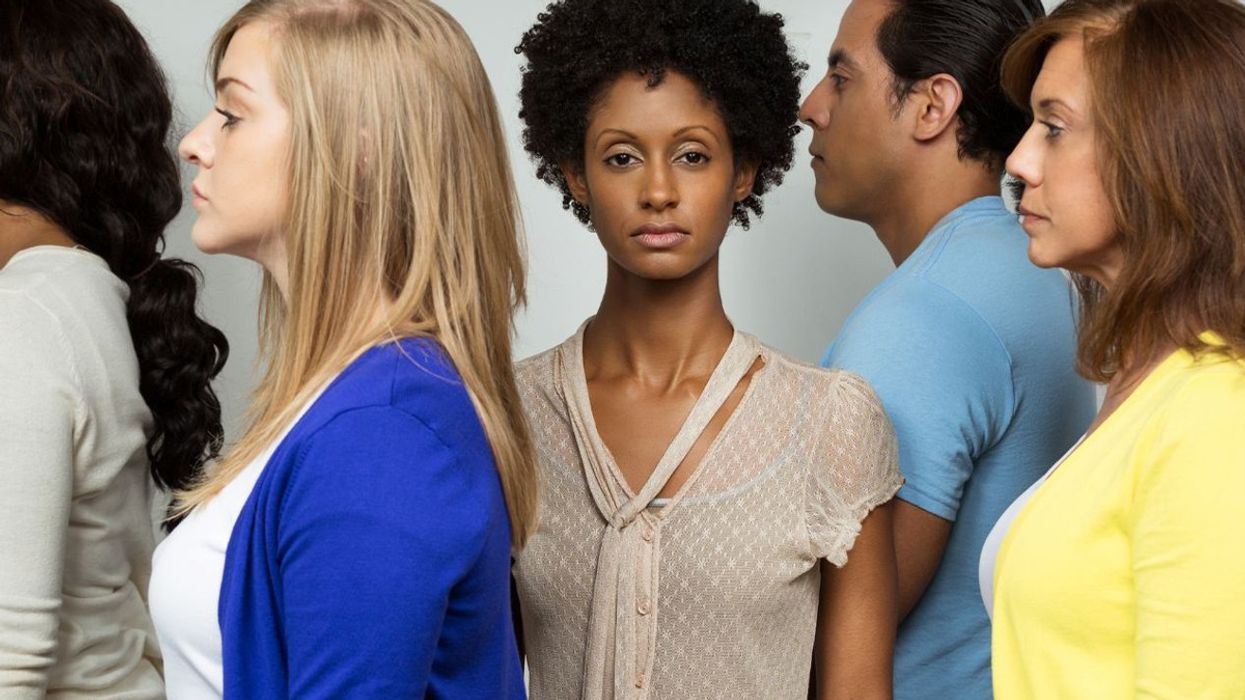
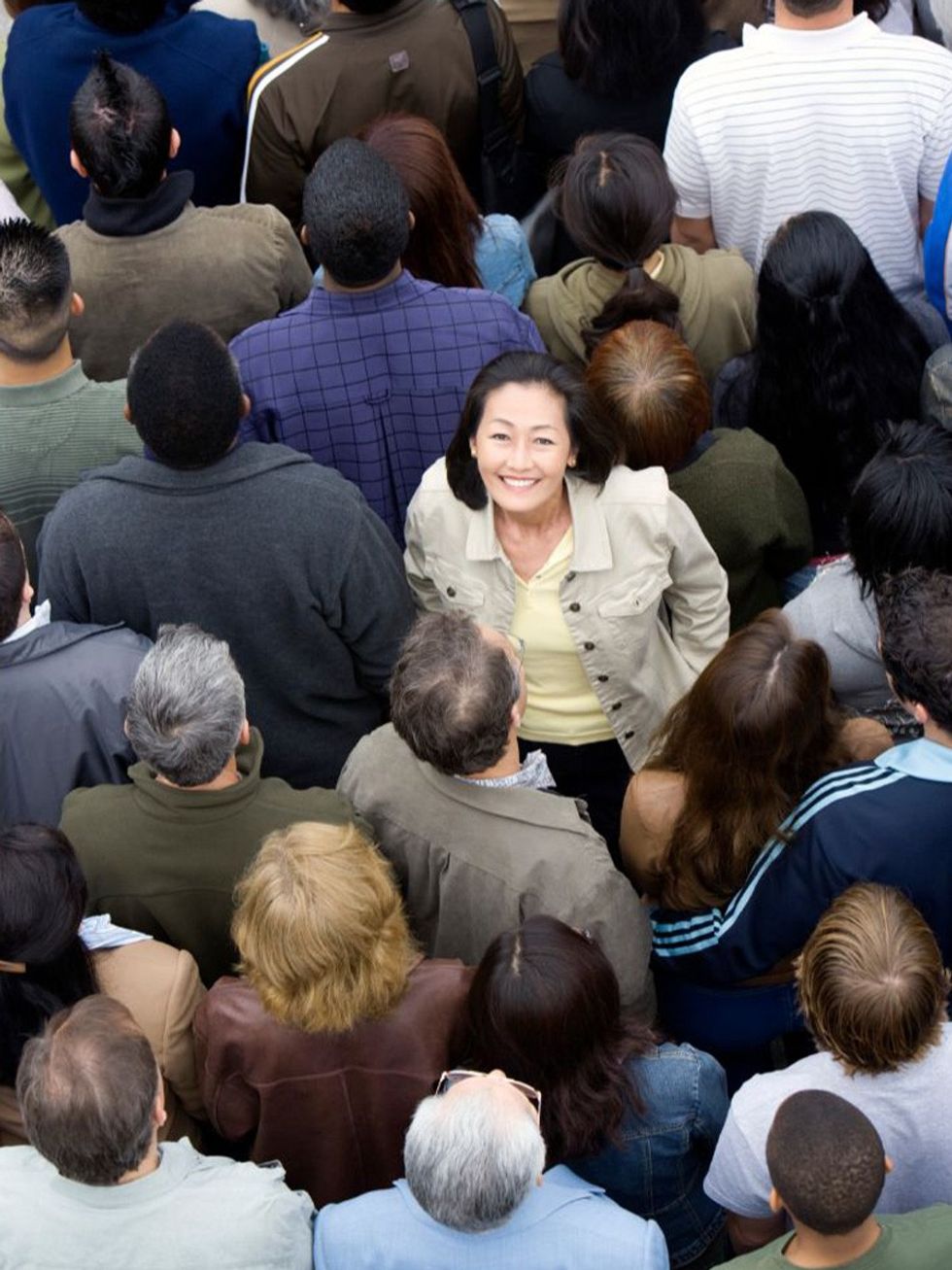 Woman smiles facing other direction in a crowd.Image via Canva - Photo by DAPA Images
Kind people don't often ask for help. Between being self-reliant and wanting to avoid burdening other people, they're not going to speak up much. Good Therapy talks about the main reason people often avoid asking for help is "fear." The problem is if you never ask for assistance, people believe you don't need it. Being strong and independent are impressive qualities, but not necessarily what builds a large circle of friends. Being vulnerable means risk, and some kind people are just risk avoidant.
They attract takers instead of friends
Some people give and some people take. Science Daily referenced a study at the Universitaet Tübingen that found it's better to give than receive. However, "takers" are definitely going to find the people willing to give. Kind people can feel taken advantage of because they often are. This can lead to them pulling away and not trusting the people around them. It's hard to build strong friendships when you can't trust anyone. Setting boundaries can be difficult when you're a people pleaser and sometimes kindness and people-pleasing can overlap.
They fear rejection
Most people don't particularly enjoy being rejected. When a person is more sensitive and empathic, the pain caused by rejection goes much deeper. Remember, kind people don't want to hold anyone else down or be the source of discomfort for others. Instead of taking risks and leaning into their relationships, kind people may just become more kind, which is great for the people around them, and not so great for them.
They fear the pain of past hurts
 "It's in the past." media1.giphy.com
Once again, feeling your emotions deeply, while a beautiful trait, can be a kind person's downfall. For many kind people, and particularly those who are young and naive, they may get taken advantage of. As a result, many kind people are cautious and go out of their way to be liked. Avoidance and poor boundary setting causes problems. Using their kindness as a defense mechanism to navigate uncomfortable confrontations, the needs of kind people are often not met. Fear of retaliation or that people won't appreciate the real them can be a tough emotional burden, and burdens carried alone bring feelings of loneliness. This can turn into a cycle of pain, fear, and loneliness that could become a life-long issue.
They're unable to express their deep thoughts
Life is complex and as a result, there are plenty of ideas and concepts into which we can bury our thoughts. Many kind people think about these deep concepts but have no one to discuss them with. Not having a support system to lean into or failing to allow others to aid them can make kind people seem distant. Presenting yourself as completely self reliant is not what makes for a good friendship. This "go it alone" mentality ultimately pushes people away. It's difficult to cultivate friendships when not allowing others in. Simply Psychology suggests taking small steps toward being more open instead of giant leaps that can potentially cause more anxiety.
They suppress emotional needs
When kind people are overly concerned with other peoples' needs over their own, their is a nuanced suppression of their emotions and feelings. According to a 2018 article in Time:
"Emotions have energy that pushes up for expression, and to tamp them down, our minds and bodies use creative tactics—including muscular constriction and holding our breath. Symptoms like anxiety and depression, which are on the rise in the U.S., can stem from the way we deal with these underlying, automatic, hard-wired survival emotions, which are biological forces that should not be ignored."
Wanting others to feel safe and heard is an amazing quality. Not allowing space for yourself is risky for your personal mental health.
Some final thoughts
It's sad that so many people who put in the effort to be kind are emotionally neglected. Society often fails to come to their aid, or they inflict the pain on themselves through their actions. It's important for everyone to feel like they have a place to be heard and loved. Hopefully, if you resonate with some of these traits and experiences, you have someone to reach out to and talk about it with.
There are programs and professionals available to help ,too. One of the main issues for kind people that find themselves with fewer to no friends is an inability to set healthy boundaries. Boundaries help define a friendship. Good ones foster strong interactions, trust, and connection.
The National Council for Mental Health suggests three things for creating healthy boundaries:
"Understand your stressors and define your limits."
"Start with small, consistent adjustments."
"Practice self compassion."
We all love kind people. The hope is they receive love and kindness in return.








 Ultrasound of human baby.Image via
  IVF animated process.Image via
  A couple speaks with a fertility professional.Image via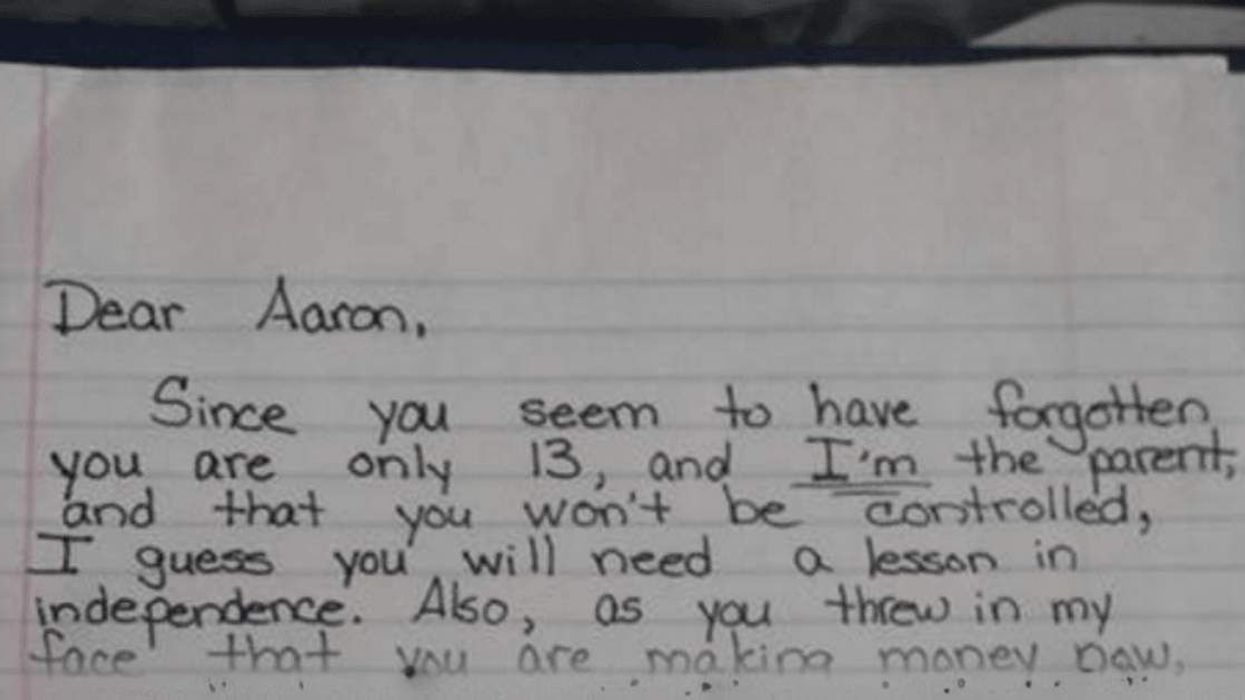
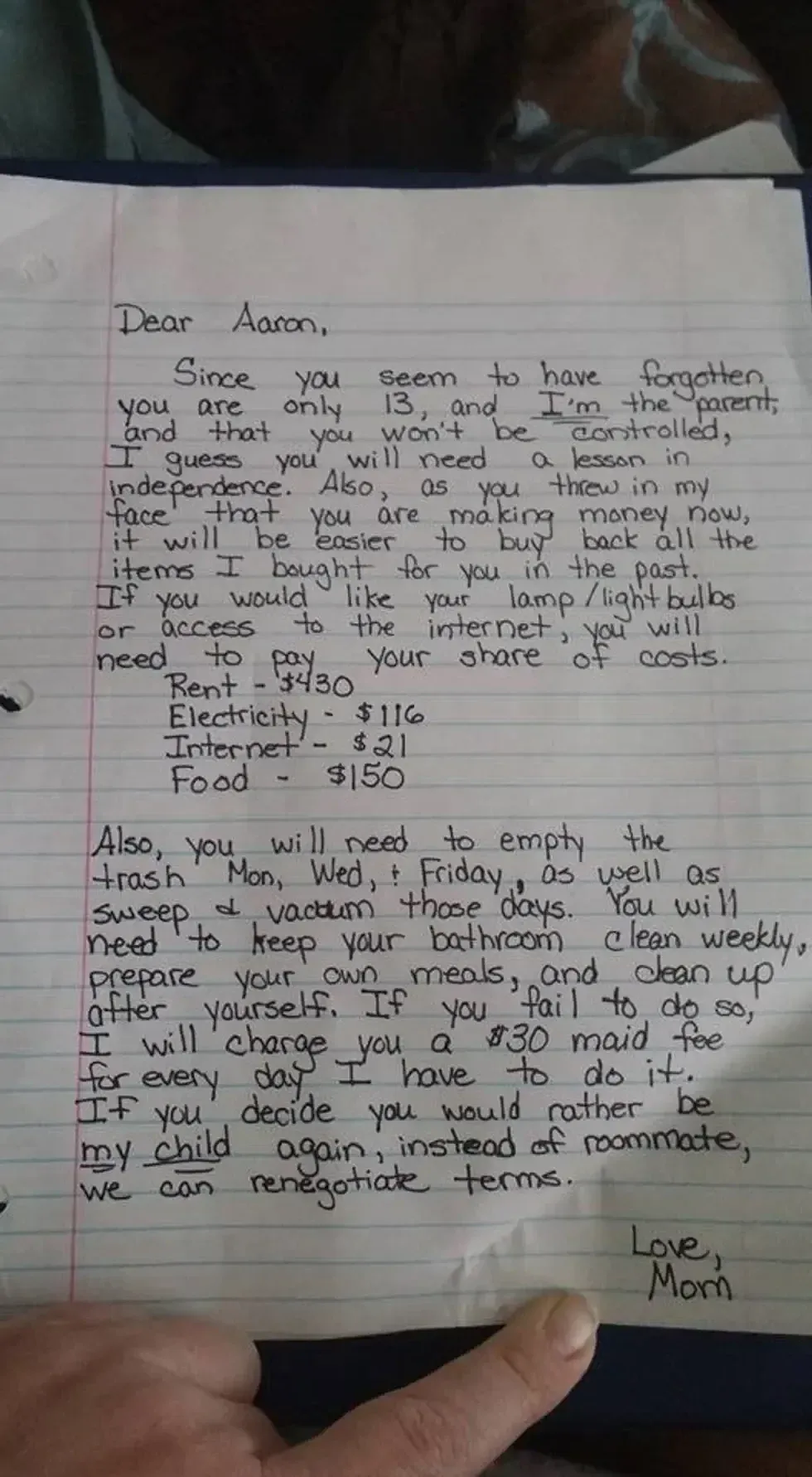 Love, Mom.Photo from Heidi Johnson
  A teen boy having a hard time.

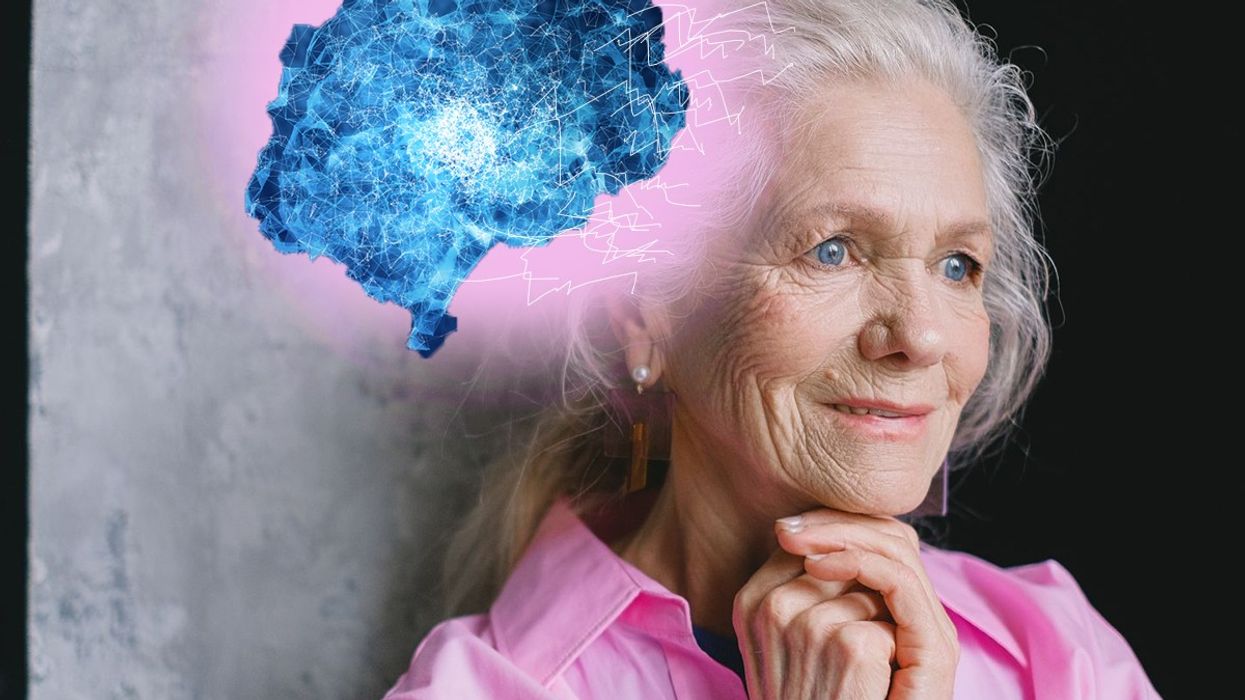
 Hands hold a digital representation of the brain.Image via
 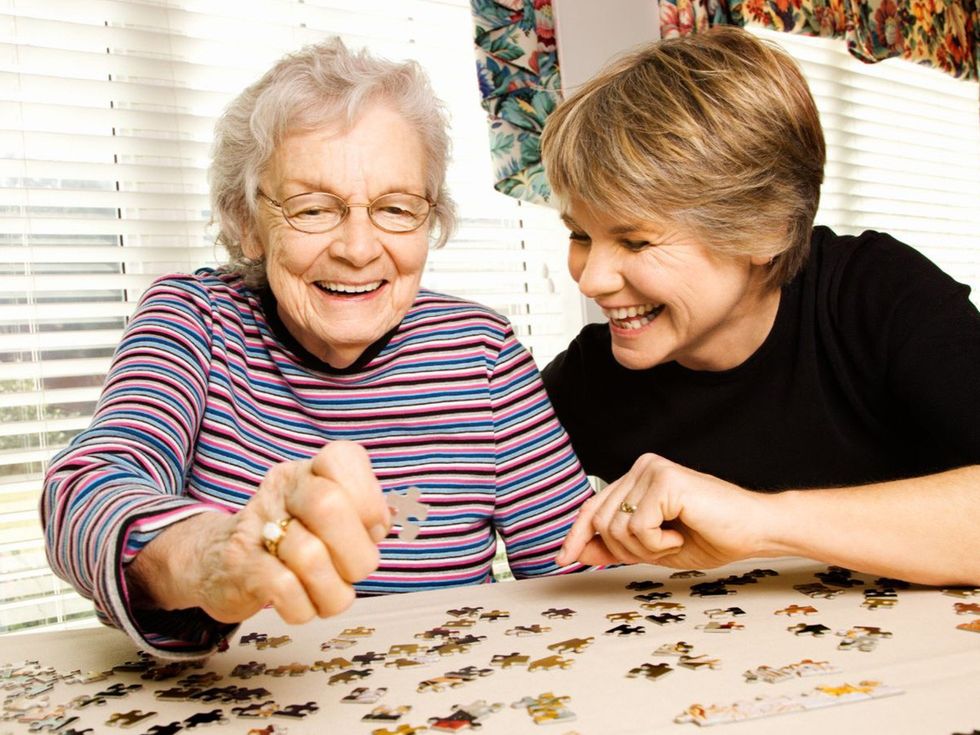 Mother and daughter work a puzzle.Image via
 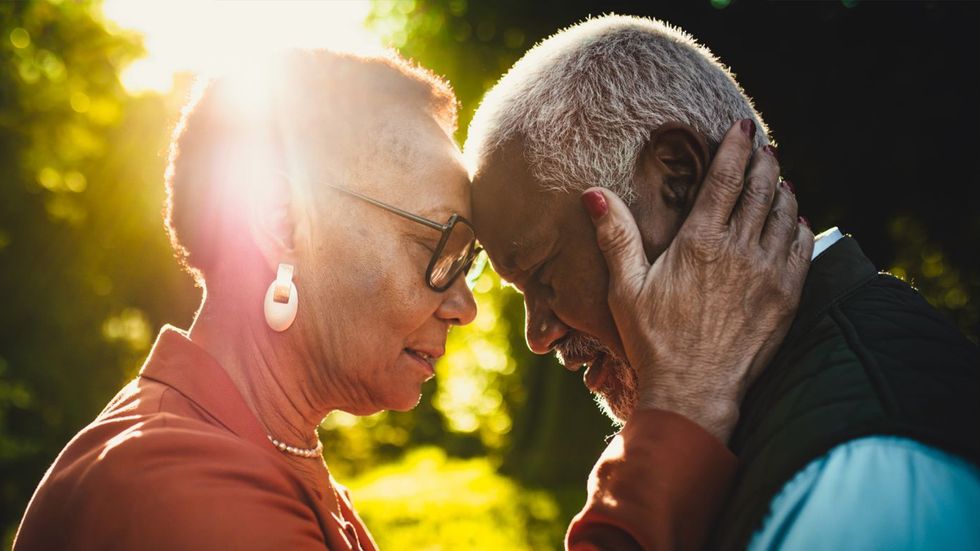 Man and woman connect under the sunshine.Image via
 The obituary paints a comic, if bleak, picture.
  A Facebook post about the obituary.
Why do some folks use social media but don't engage?
Psychologist says people who never comment on social media share these 5 positive traits
For over 20 years, social media has developed into a staple in many people’s day-to-day lives. Whether it’s to keep in communication with friends and family, following the thoughts of celebrities, or watching cat videos while sipping your morning coffee, there seem to be two types of social media users: commenters and lurkers.
The term “lurker” sounds equally mysterious and insidious, with some social media users writing them off as non-participants at best or voyeurs at worst. However, mindfulness expert Lachlan Brown believes these non-commenters have some very psychologically positive and healthy traits. Let’s take a look at how each one of these traits could be beneficial and see how fruitful lurking might be even though it can drive content creators crazy.
1. Cautious about vulnerability
Consciously or not, making a post online or commenting on one puts you and your words out there. It’s a statement that everyone can see, even if it’s as simple as clicking “like.” Doing so opens yourself up to judgment, with all the good, bad, and potential misinterpretation that comes with it. Non-commenters would rather not open themselves up to that.
These silent users are connected to a concept of self-protection by simply not engaging. By just scrolling past posts or just reading/watching them without commentary, they’re preventing themselves from any downsides of sharing an opinion such as rejection, misunderstanding, or embarrassment. They also have more control on how much of themselves they’re willing to reveal to the general public, and tend to be more open face-to-face or during one-on-one/one-on-few private chats or DMs. This can be seen as a healthy boundary and prevents unnecessary exposure.
Considering many comment sections, especially involving political topics, are meant to stir negative emotional responses to increase engagement, being extra mindful about where, when, and what you comment might not be a bad idea. They might not even take the engagement bait at all. Or if they see a friend of theirs post something vulnerable, they feel more motivated to engage with them personally one-on-one rather than use social media to publicly check in on them.
2. Analytical and reflective mindset
How many times have you gone onto Reddit, YouTube, or any other site and just skimmed past comments that are just different versions of “yes, and,” “no, but,” or “yes, but”? Or the ever insightful, formerly popular comment “First!” in a thread? These silent browsers lean against adding to such noise unless they have some valid and thoughtful contribution (if they bother to comment period).
These non-posters are likely wired on reflective thinking rather than their initial intuition. Not to say that all those who comment aren’t thoughtful, but many tend to react quickly and comment based on their initial feelings rather than absorbing the information, thinking it over, researching or testing their belief, and then posting it. For "lurkers," it could by their very nature to just do all of that and not post it at all, or share their thoughts and findings privately with a friend. All in all, it’s a preference of substance over speed.
3. High sense of self-awareness
Carried over from the first two listed traits, these silent social media users incorporate their concern over their vulnerability and their reflective mindset into digital self-awareness. They know what triggers responses out of them and what causes them to engage in impulsive behavior. It could be that they have engaged with a troll in the past and felt foolish. Or that they just felt sad after a post or got into an unnecessary argument that impacted them offline. By knowing themselves and seeing what’s being discussed, they choose to weigh their words carefully or just not participate at all. It’s a form of self-preservation through restraint.
4. Prefer to observe rather than perform
Some folks treat social media as information, entertainment, or a mix of both, and commenting can feel like they’re yelling at the TV, clapping alone in a movie theater when the credits roll, or yelling “That’s not true!” to a news anchor that will never hear them. But contrary to that, social media is a place where those yells, claps, and accusations can be seen and get a response. By its design, social media is considered by experts and the media as performative, regardless of whether it is positive or negative. Taking all of the previously mentioned traits into account, one can see why they would prefer to “observe the play” rather than get up on the stage of Facebook or X.
On top of that, these non-commenters could be using social media differently than those who choose to fully engage with it. Using this type of navigation, there may be nothing for them to comment about. Some commenters are even vying for this for their mental health. There are articles about how to better curate your social media feeds and manipulate algorithms to create a better social media experience to avoid unnecessary conflict or mentally tiring debate.
If you go on a blocking spree on all of your accounts and just follow the posters that boost you, it could turn your social media into a nice part of your routine as you mainly engage with others face-to-face or privately. In terms of commenting, if your curated Instagram is just following cute dogs and all you have to offer for a comment is “cute dog,” you might just enjoy the picture and then move on with your day rather than join in the noise. These non-commenters aren’t in the show and they’re fine with it.
5. Less motivated by social validation
The last trait that Brown showcases is that social media users who browse without posting tend to be independent from external validation, at least online. Social media is built to grow through feedback loops such as awarding likes, shares, and reposts of your content along with notifications letting you know that a new person follows you or wants to connect. This can lead many people to connect their activity on social media with their sense of self worth, especially with adolescents who are still figuring out their place in the world and have still-developing brains.
Engaging in social media via likes, shares, comments, and posts rewards our brains by having them release dopamine, which makes us feel good and can easily become addictive. For whatever reason, non-commenters don’t rely on social media as a means to gauge their social capital or self worth. This doesn’t make them better than those who do. While some non-commenters could have healthier ways to boost their self worth or release dopamine into their systems, many get that validation from equally unhealthy sources offline. That said, many non-commenters’ silence could be a display of independence and self confidence.
Whether you frequently comment online or don’t, it’s good to understand why you do or don’t. Analyzing your habits can help you determine whether your online engagement is healthy, or needs to be tweaked. With that information, you can then create a healthy social media experience that works for you.