






Diving into the pristine waters around Japan’s westernmost island, Yonaguni, reveals schools of hammerhead sharks, barracudas, and whale sharks. However, at about 25 meters (82 feet) deep, divers encounter a series of steps leading to the mysterious “Yonaguni Monument.” This massive structure, possibly 10,000 years old and shaped like a pyramid, is made of sandstone and mudstone. Scientists have long debated its origins, yet it remains a mystery, reports Indy100. “Is the Yonaguni Monument man-made or a natural wonder?”
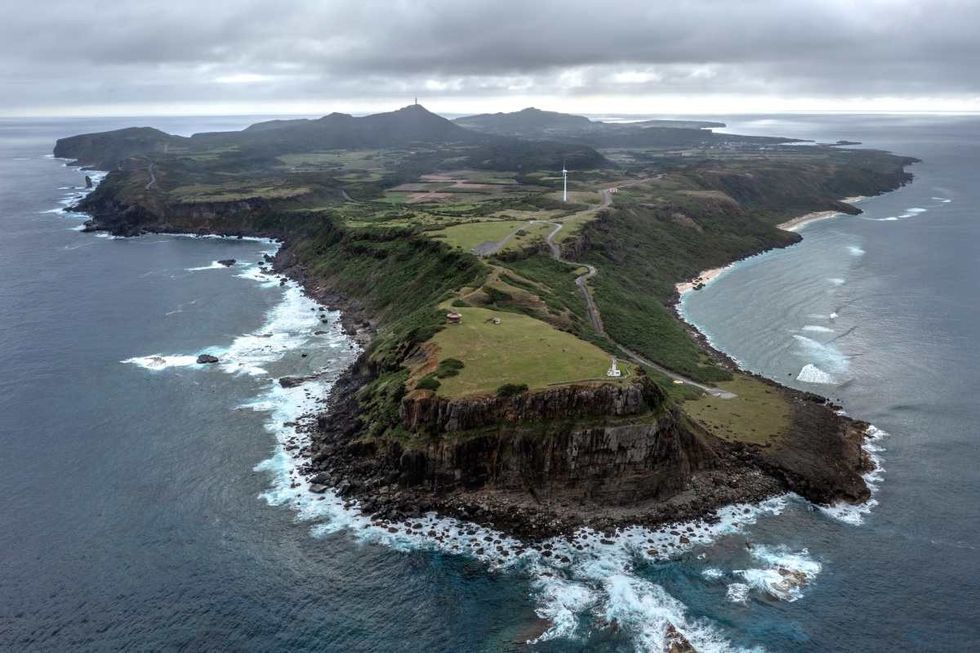 Representative Image Source: Yonaguni island is pictured on April 13, 2022, in Yonaguni, Japan. (Photo by Carl Court/Getty Images)
The uncanny monument was first spotted by a local diver in 1986. The monument is a submerged rock formation in the waters of Yonaguni Jima. For all these decades, experts have believed that this monument is a ruin of a Japanese Atlantis, an ancient city that sunk in the waters 2,000 years ago due to an earthquake. "The largest structure looks like a complicated, monolithic, stepped pyramid that rises from a depth of 25 meters [82 feet]," Masaaki Kimura, a marine geologist at the University of the Ryukyus in Japan, told National Geographic.
Not all experts believe that the pyramid is man-made. "I'm not convinced that any of the major features or structures are manmade steps or terraces, but that they're all-natural," Robert Schoch, a professor of science and mathematics at Boston University who has dived at the site, told National Geographic. "It's basic geology and classic stratigraphy for sandstones, which tend to break along planes and give you these very straight edges, particularly in an area with lots of faults and tectonic activity." Like Schoch, the Japanese government's Agency for Cultural Affairs or the Government of Okinawa Prefecture didn’t think that the monument was a significant cultural property. They didn’t proceed with any research or preservation work on the site.
As for Kimura, he told National Geographic that he first thought the monument was totally natural. But he changed his mind after his first dive. "I think it's very difficult to explain away their origin as being purely natural, because of the vast amount of evidence of man's influence on the structures," he said. His conclusion was based on the fact that he identified elements like quarry marks etched into the stone, carved faces, and rocks sculpted like animals. This suggested that the pyramid carried a cultural history. “The characters and animal monuments in the water, which I have been able to partially recover in my laboratory, suggest the culture comes from the Asian continent," he said, adding that one of these elements, a sphinx, resembled a Chinese or ancient Okinawan king.
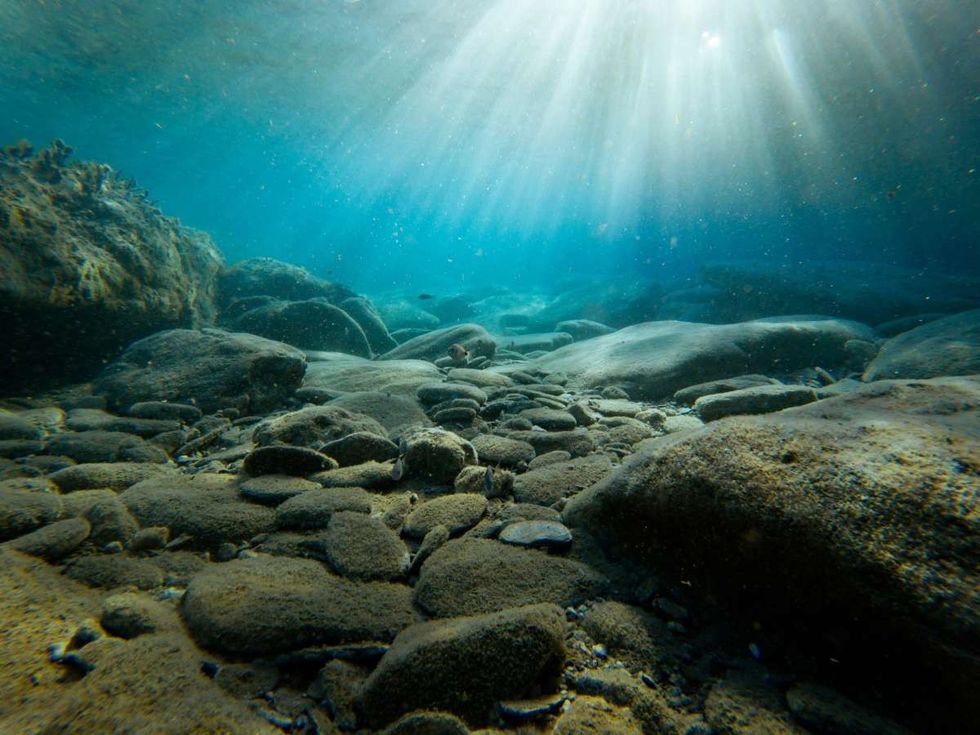 Representative Image Source: Unsplash | Yannis Papanastasopoulos
Every part of the city most probably sank in the seismic tremors that once engulfed the Pacific Rim, Kimura suggested. According to National Geographic, the world's largest recorded tsunami struck Yonaguni Jima in April 1771. It recorded an estimated height of more than 131 feet (40 meters). This disaster could have sunk the entire city underwater, leading to a total collapse of the civilization, and ending up like a ‘Lost City.'
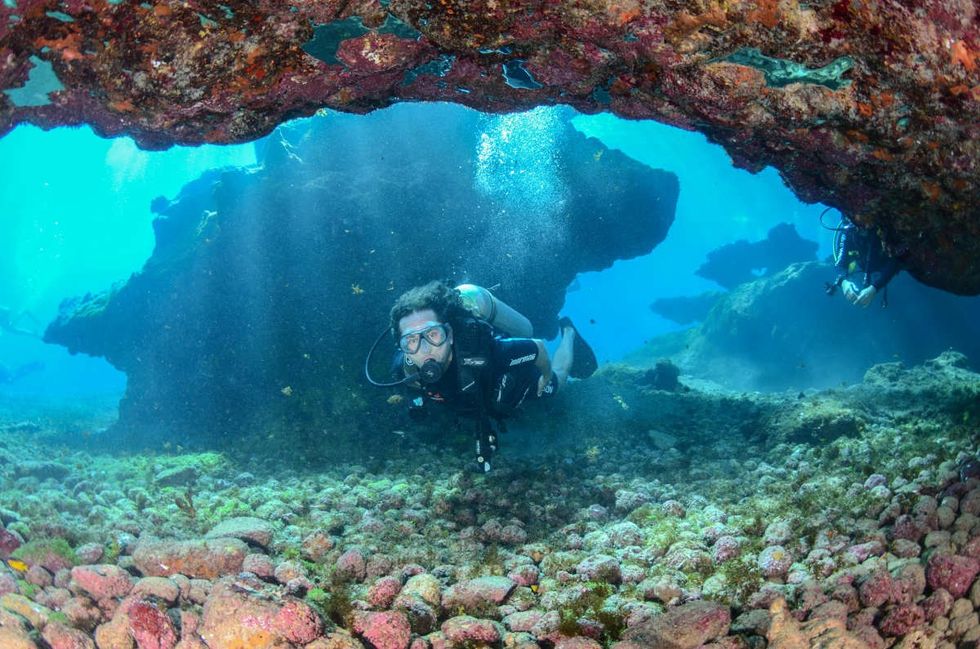 Representative Image Source: Pexels | Fabricio Monteiro
Apart from the mysterious pyramid, the divers have discovered other uncanny objects lurking underwater, including castle ruins, an arch, five temples, and at least one large stadium. They were probably connected by a network of roads and channels of walls, all of which have now crumbled away. Kimura hypothesized that these remnant objects most possibly dated back to at least 5,000 years, based on the aging of the stalactites found inside the caves underwater.
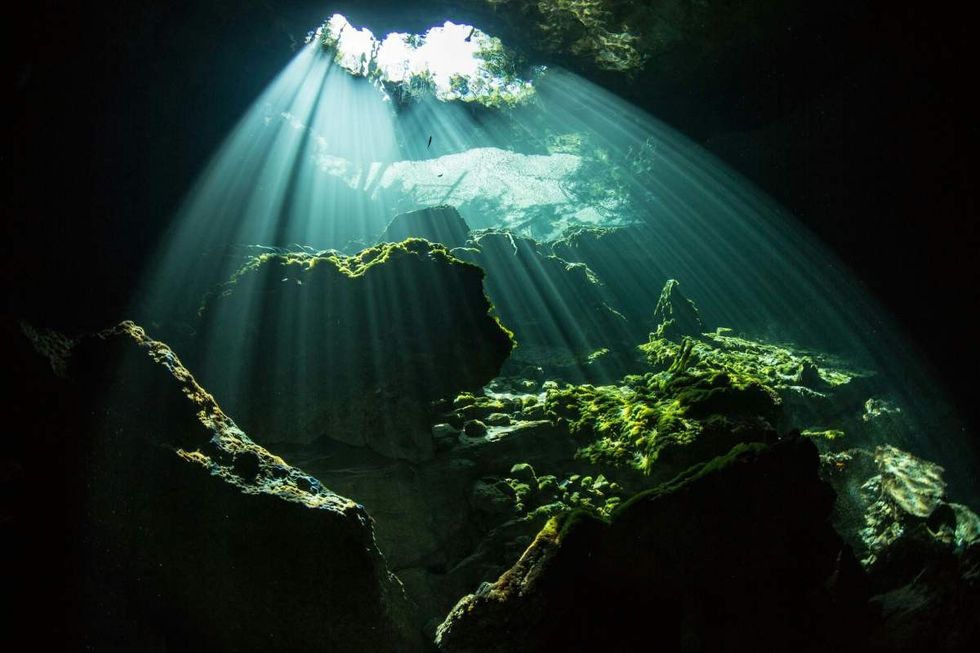 Representative Image Source: Unsplash | Alex Rose
Many experts believed Kimura’s hypothesis. For instance, Toru Ouchi, an associate professor of seismology at Kobe University, told National Geographic, "I've dived there as well and touched the pyramid. What Professor Kimura says is not exaggerated at all. It's easy to tell that those relics were not caused by earthquakes."
However, Schoch was still reluctant to accept this hypothesis. He rather suggested that the holes in the rock, which Kimura regarded as “supporting posts,” were merely created by underwater eddies. These rocks were eaten up by the marine animals lurking in the waters, he added. Plus, he added that the pyramid was not symmetrical or geometrically accurate and, hence, not artificial. Furthermore, explaining the animal-like etchings on the rocks, he described them as just scratches dug into the rocks via natural phenomenon.
Asserting his belief with scientific evidence, Schoch wrote in a recent post, “As difficult as it may be for some to accept, after carefully studying the Yonaguni Monument, I have to report that I do not believe it is an artificial, human-made structure.” Yet, owing to no solid evidence, the existence of the Yonaguni Monument remains a mystery.











 Bees feeding on food source.Image via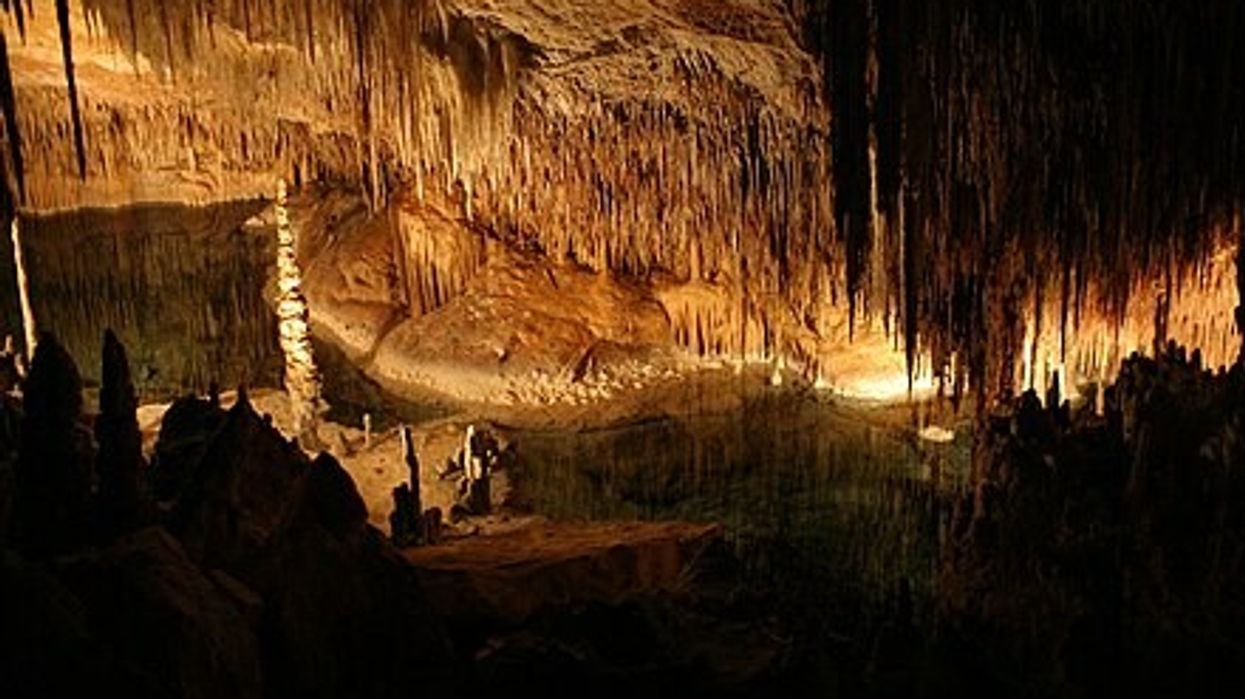
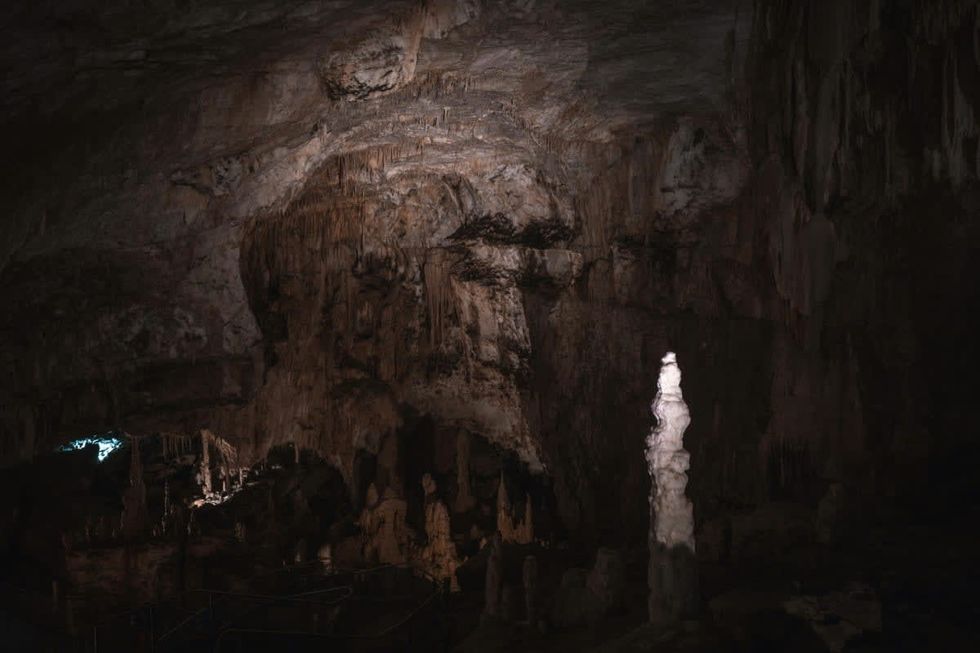 In the depths...Pexels | francesco ungaro
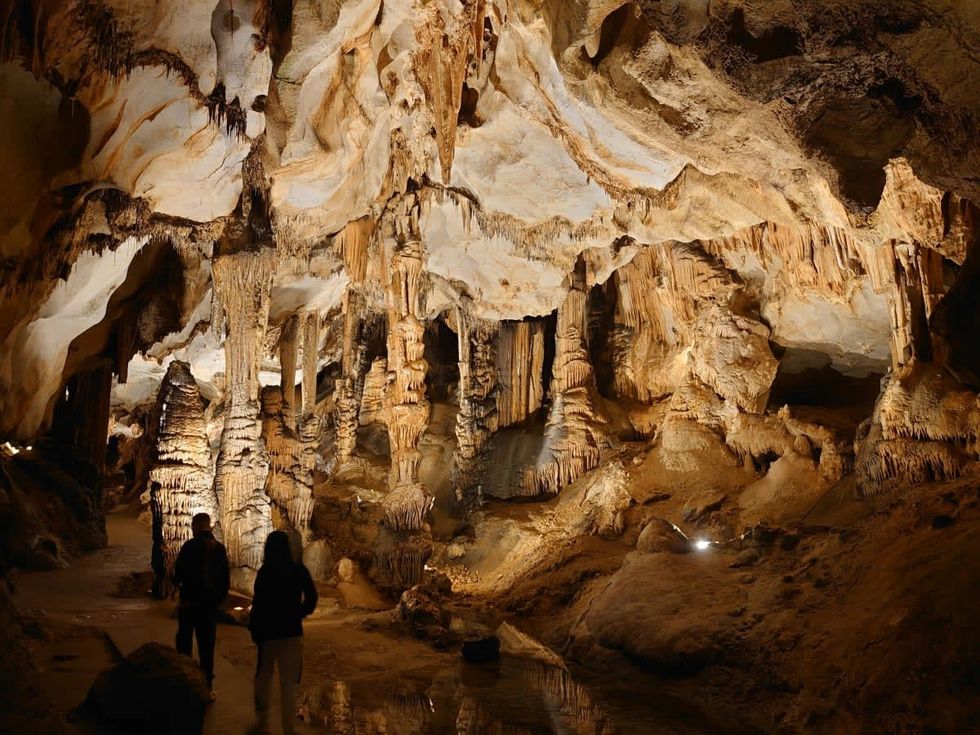 Hope the lights stay on. Pexels | parfait fongang
 "That was beyond crazy..." YouTube |
  "This is the stuff of my nightmares..."YouTube |
  "Totally blown away..." YouTube |
 A representative Image of The Atlantic Ocean. Source: Pexels | Kellie Churchman
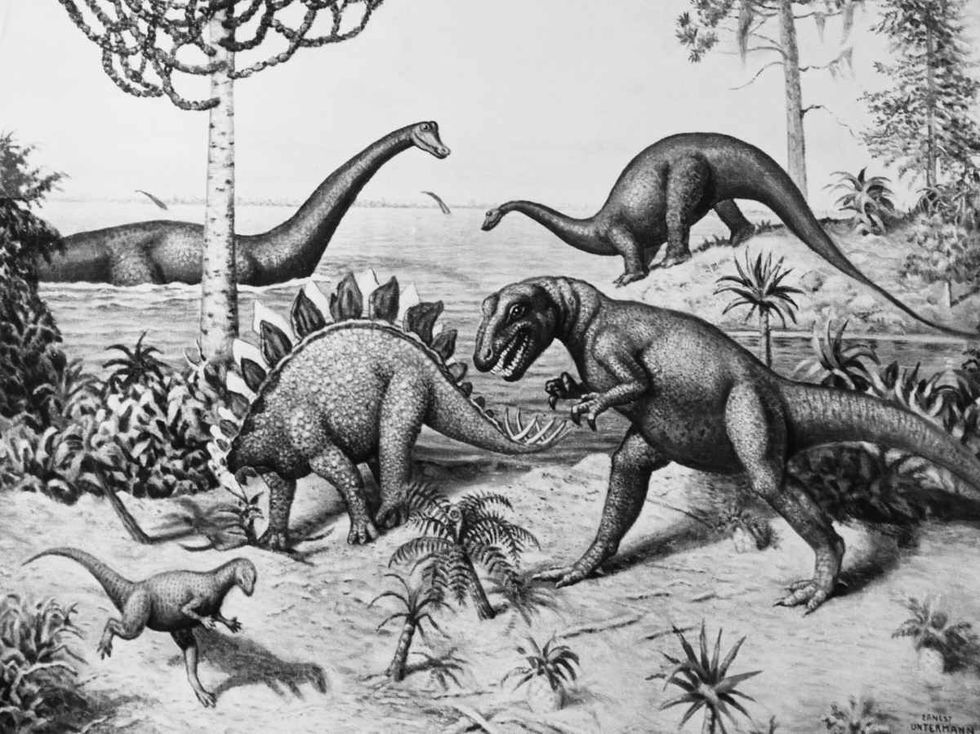 Representative Image Source: Painting from a series by Ernest Untermann in the museum at Dinosaur National Monument, Utah.
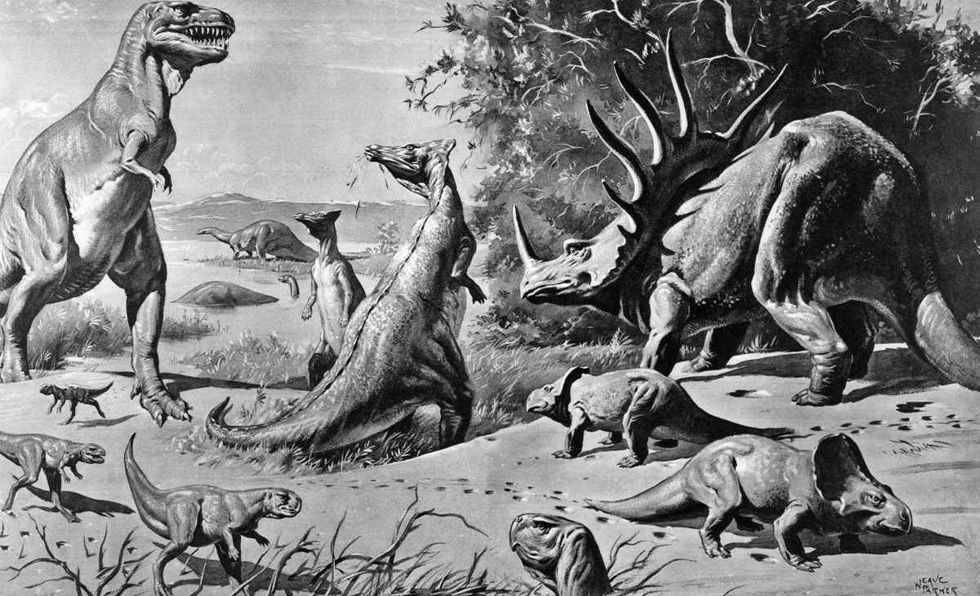 Representative Image Source: VARIOUS DINOSAURS IN GOBI DESERT. Photo by H. Armstrong Roberts/ClassicStock/Getty Images
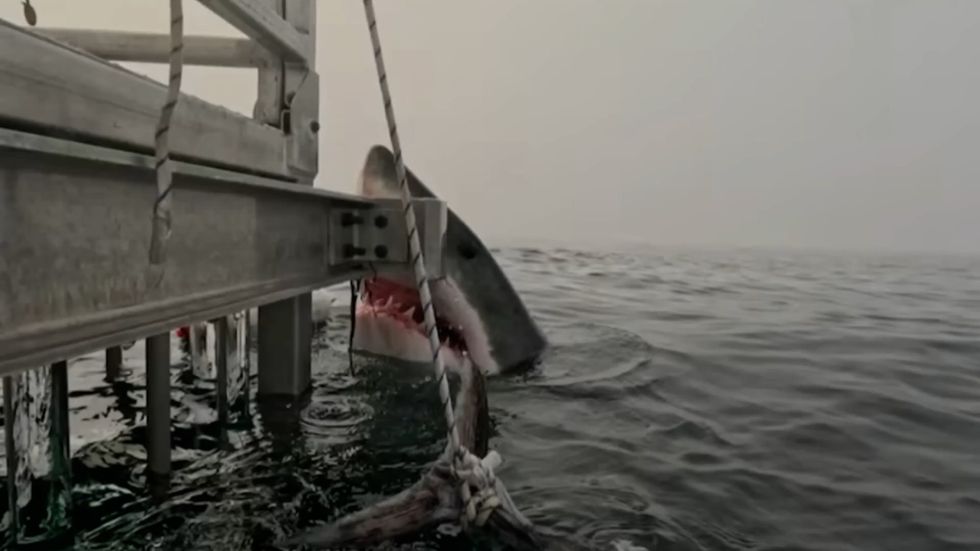 Great white shark pokes its head above water.Image pulled from YouTube video - Photo taken by Geraldine Fernandez
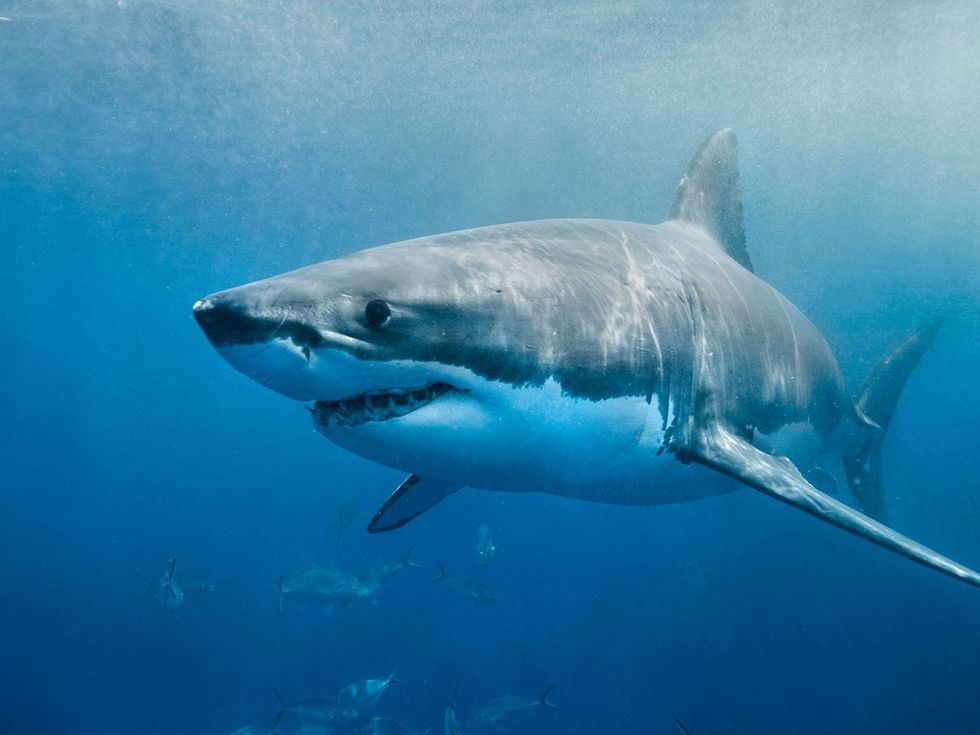 Great white shark swims in the ocean.Image via Canva - Photo by lindsay_imagery
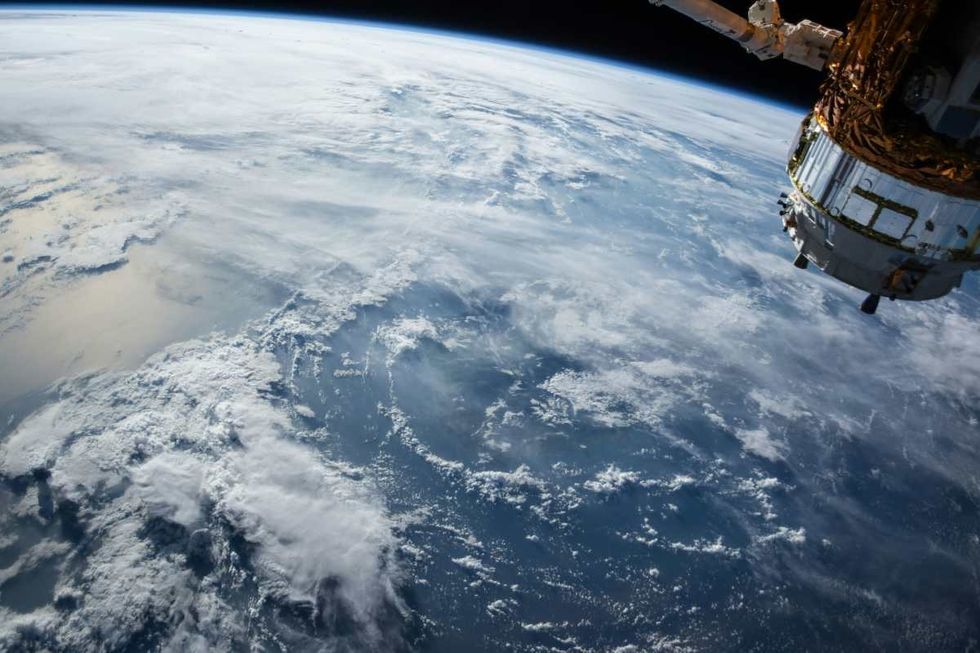 Representative Image Source: Unsplash | NASA
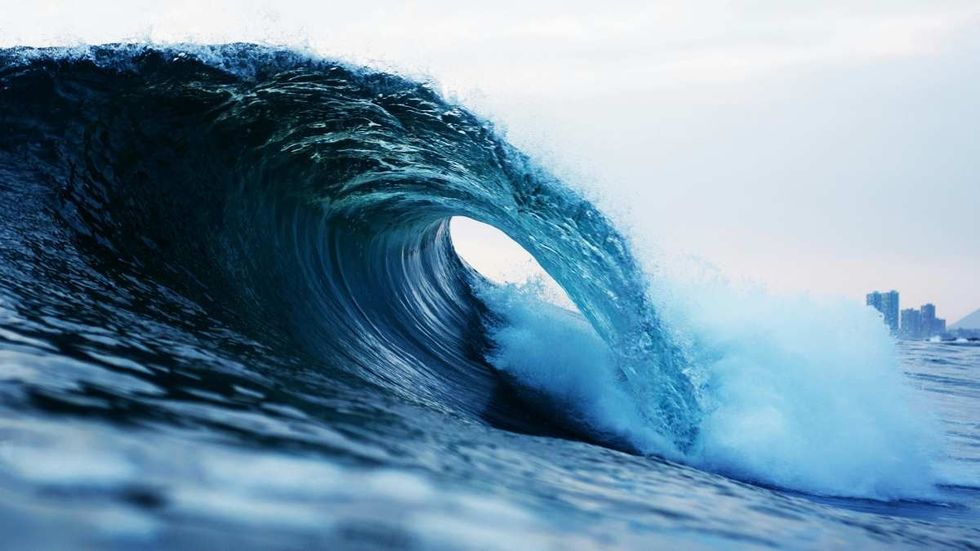 Representative Image Source: Pexels | Earano
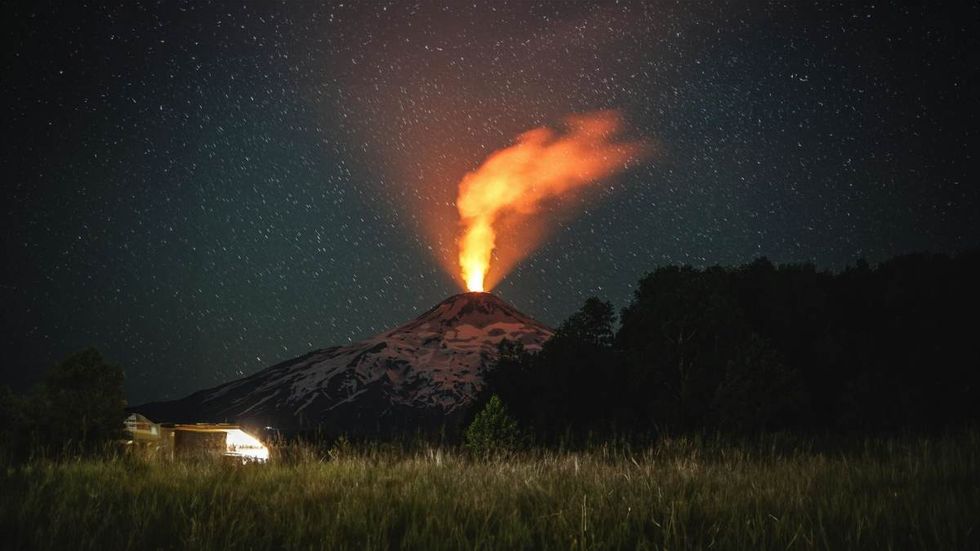 Representative Image Source: Pexels | Mauro Ignacio Torres
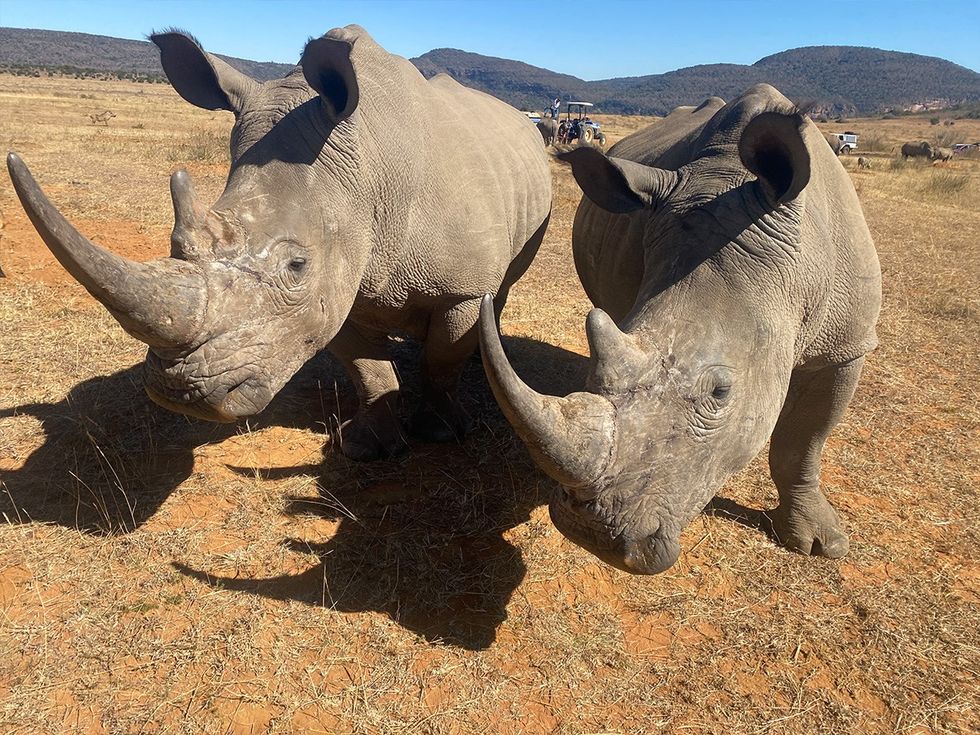 Two rhinos i the Waterberg Mountains of South Africa.Image via IAEA
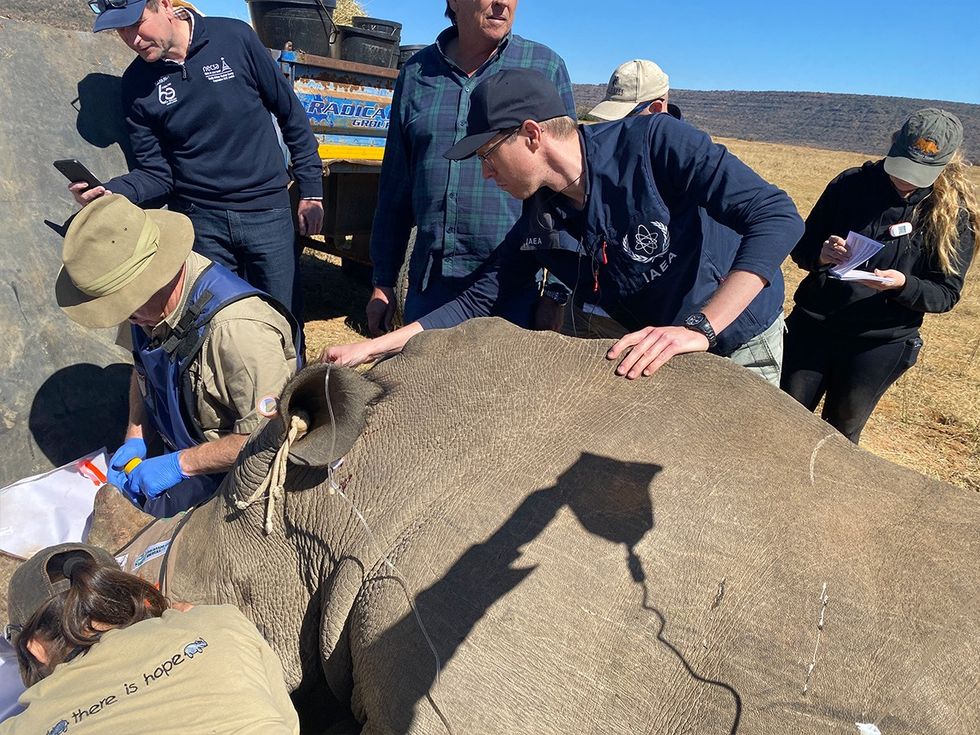 Isotope injection of rhino at the Rhino Orphanage in South Africa.Image via IAEA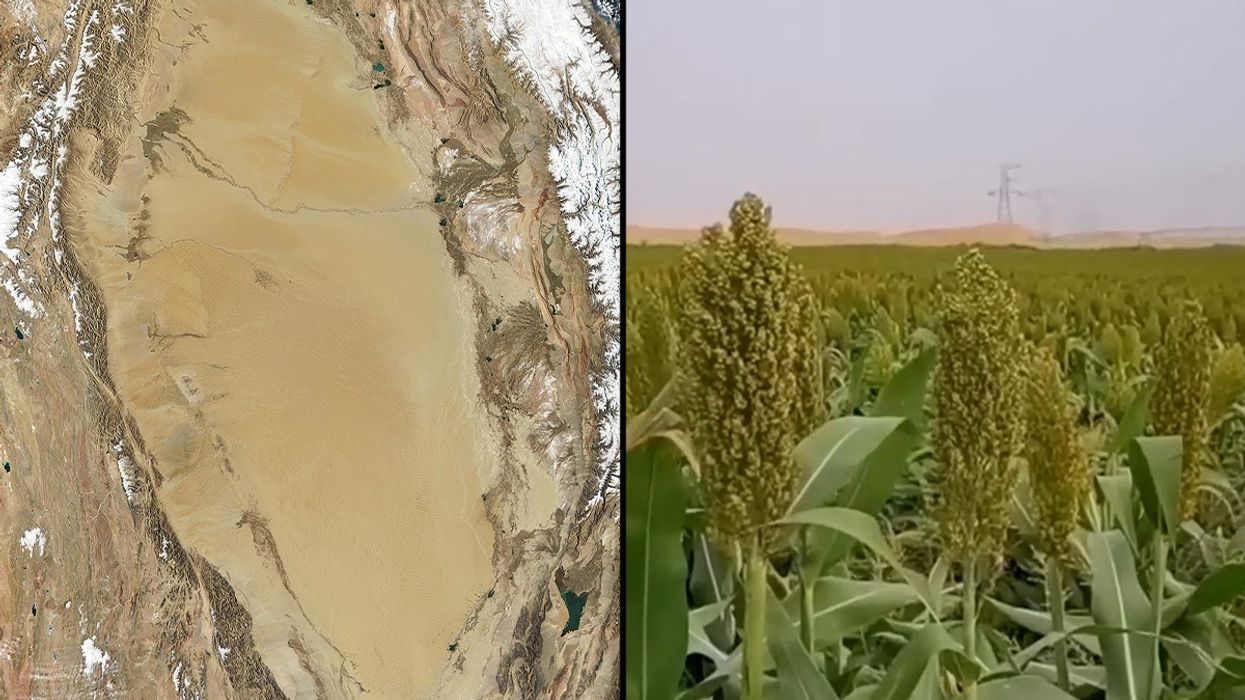
 Climate change around the world.Image via Canva - Photo by piyaset
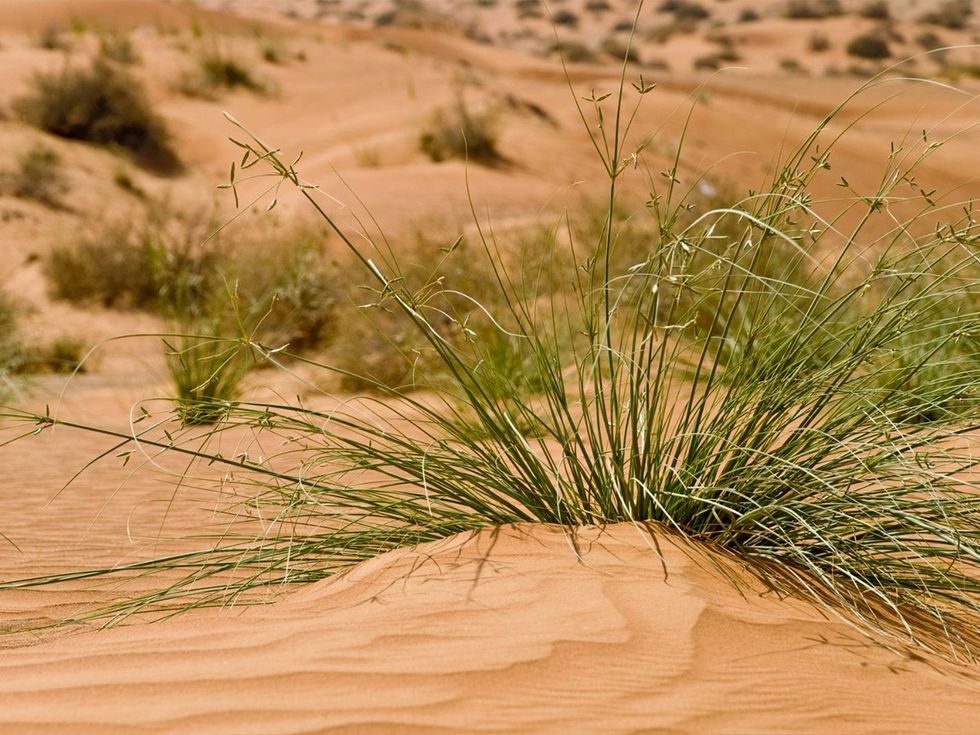 Desert grass.Image via Canva - Photo by clearandtransparent
 Hands hold a tree in digital globe.Image via Canva - Photo by Peach_iStock
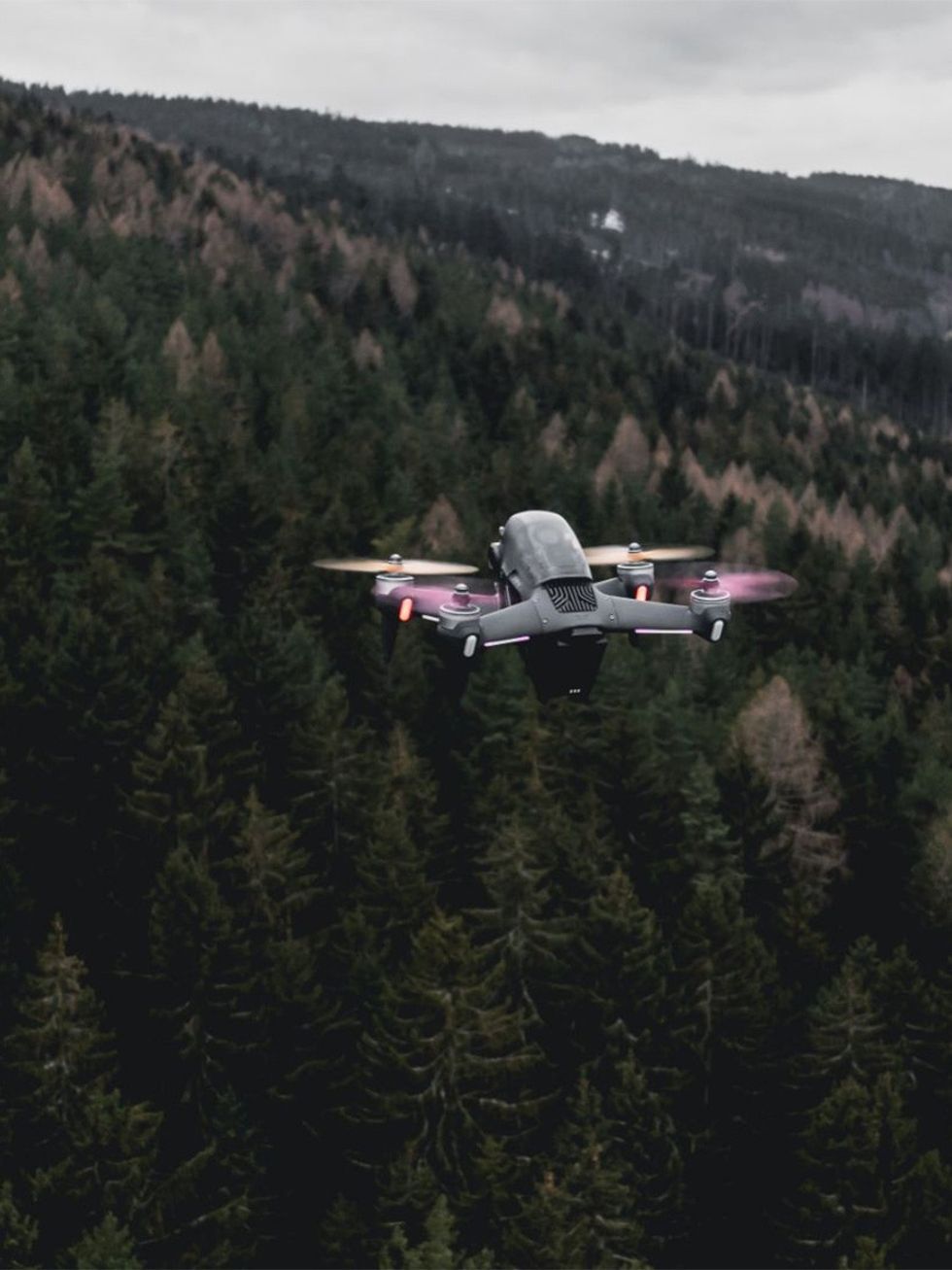 Drone over forest.Image via Canva - Photo by Justin Wolfert
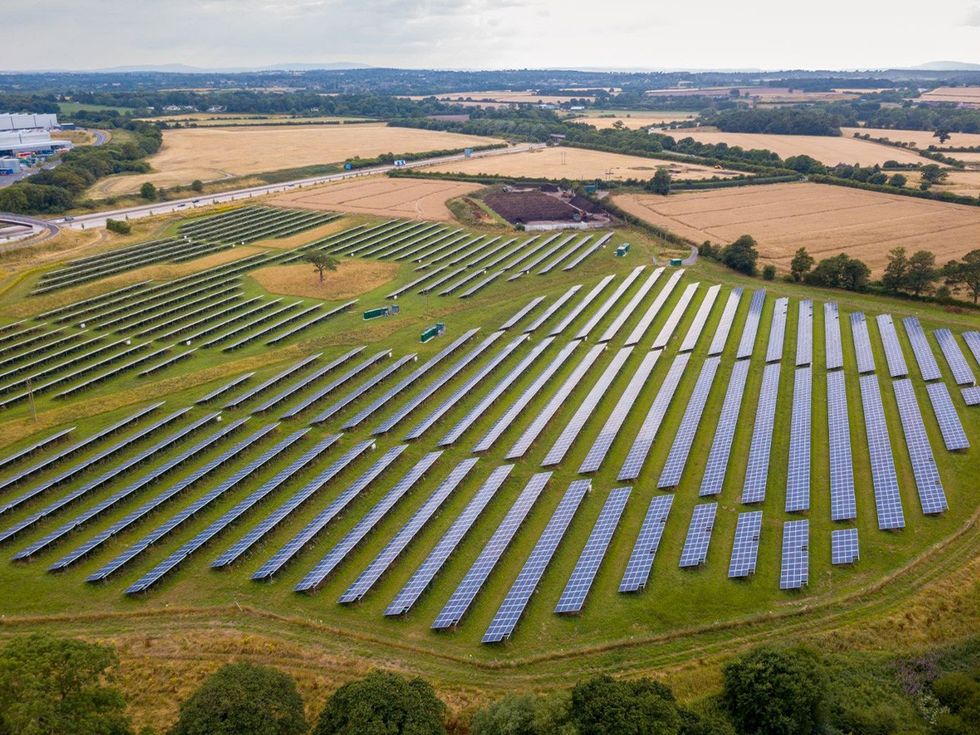 Solar power farm.Image via Canva - Photo by leonard78uk
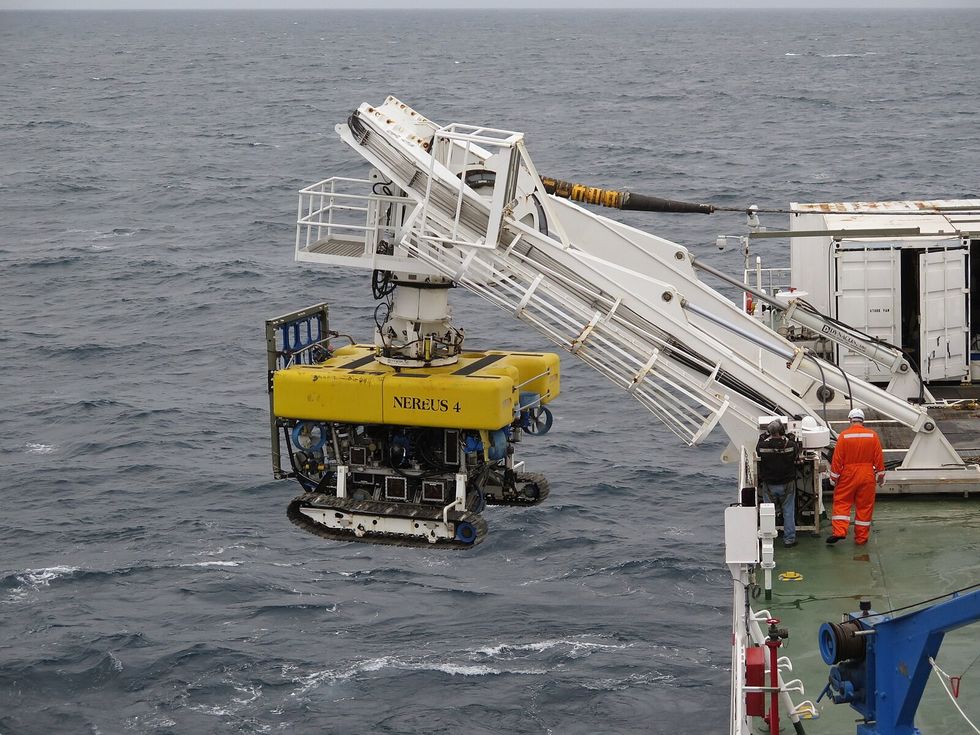 Launching the underwater robot from the CS Responder.Image via Wikimedia Commons under the Creative Commons