



We're all scrambling for answers right now. You feel it, I feel it, and all too often we're asking ourselves "DO I FEEL IT?" As in, has the coronavirus, aka COVID-19, taken hold in my body? For those lucky few, there is access to a diagnostic test. And after a positive test, for most there is still some form of treatment.
For the rest of us, there is a seemingly endless torrent of stress and anxiety. And that's where scammers, liars and profiteers come in and attempt to take advantage of our newfound psychological and physical vulnerabilities. For that, you have to look no further than the single biggest hoax that has been perpetuated about the coronavirus. It's one that continues to be disseminated even after it was widely debunked nearly a week ago.
So, let's put a stop to this right now.
Have you heard of it already? Here is the fully misleading text:
The new NCP coronavirus may not show sign of infection for many days, how can one know if he/she is infected. By the time they have fever and/or cough and goes to the hospital, the lungs is usually 50 % Fibrosis and it's too late! Taiwan experts provide a simple self-check that we can do every morning:Take a deep breath and hold your breath for more than 10 seconds. If you complete it successfully without coughing, without discomfort, stuffiness or tightness etc it proves there is no fibrosis in the lungs, basically indicating no infection.In critical times, please self-check every morning in an environment with clean air!
On some basic level, it all seems to make sense. After all, if you've ever had a simple cough and tried to hold your breath, then you know how difficult it can be. But when there are no sources or medical experts cited, that's an immediate red flag. Secondly, the mainstream media is absolutely desperate for news about treatments and a vaccine. If there was any truth to this method, it would have been widely reported on. People, I'm sorry to say this but your Facebook feed is not the New York Times.
In labeling the claim "false," Snopes explains:
"While holding your breath is likely harder if your lung capacity is reduced, there is no scientific support for the notion that holding your breath for 10 seconds indicates a clean bill of health, nor is there support for the implied assertion that the only reason holding your breath for 10 seconds would be hard is because COVID-19 caused pulmonary fibrosis. Several factors can reduce lung function, including allergies, asthma, chronic conditions, and infections. As such, there are multiple forms of respiratory tests that doctors perform on lungs to identify problems. None of them involves one's ability to hold their breath for 10 seconds."
Beyond the 10 second claim, Snopes breaks down the other scientific holes along with the fact that the Stanford Health Care explicitly denied any validity to the claim (versions of the text going around claimed them as a source). Stanford writes:
"A widely circulating Google document claiming to have identified a potential treatment for COVID-19 in consultation with Stanford's School of Medicine is not legitimate. Stanford Medicine was not involved in the creation of this document, nor have we published a study showing the effectiveness of this drug. Please click here for accurate information about COVID-19, and please consult a physician before taking any sort of prescription medication."
Another hoax claim reads as follows:
SERIOUS EXCELLENT ADVICE by Japanese doctors treating COVID-19 cases. Everyone should ensure your mouth & throat is moist, never DRY. Take a few sips of water every 15 mins at least. WHY? Even if the virus gets into your mouth…drinking water or other liquids will WASH them down through your oesophagus and into the stomach. Once there in tummy…your stomach ACID will kill all the virus. If you don't drink enough water more regularly…the virus can enter your windpipes and into the LUNGS. That's very dangerous.Pls send and share with family, friends and everyone about this ! Take care everyone n may the world recovers from corona virus soon. May all be well n happy
Snopes also emphatically debunks this claim, which frankly looks a little silly to begin with. But the real tragic thing that people are still sharing this. Much luck how millions of Americans are still reportedly refusing to socially isolate even in the face of a national emergency, it's virtually impossible to put the genie back in the bottle when it comes to the spread of false information.
But we cannot put too fine a point on this: If you're sharing this, you're contributing to people getting sick and maybe even dying. And if you see someone sharing this, tell them to stop. Send them a link to this article, to the Snopes page or to the Stanford Health statement. It's going to be a tough and challenging journey to get past the devastating impact of COVID-19 and we only get there by holding the powerful, and ourselves, accountable to the truth.









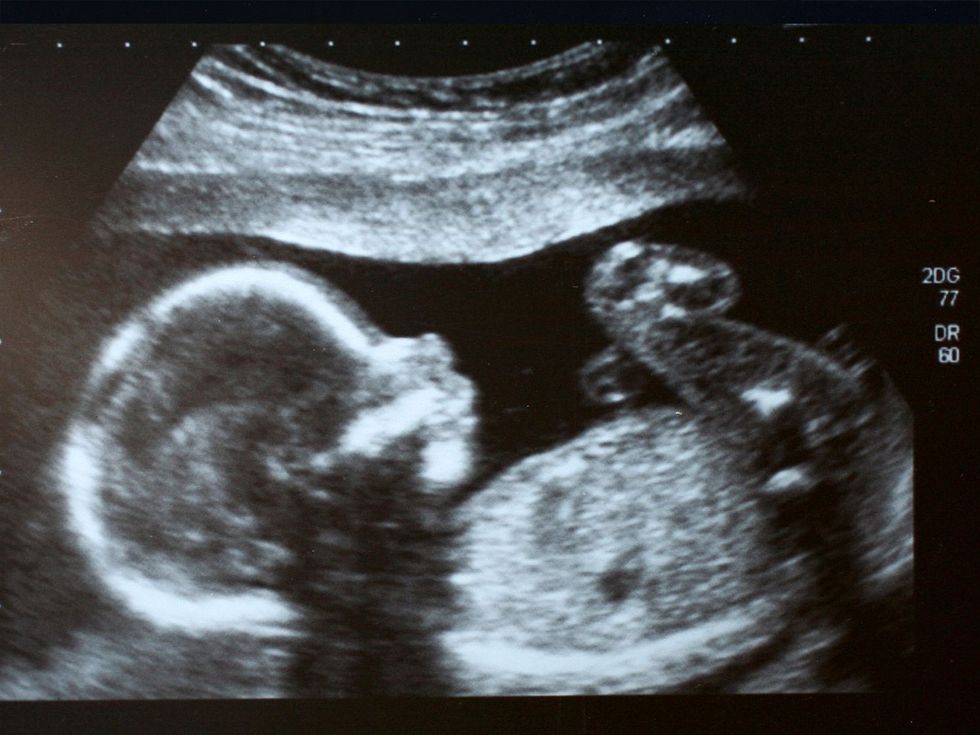 Ultrasound of human baby.Image via
  IVF animated process.Image via
  A couple speaks with a fertility professional.Image via
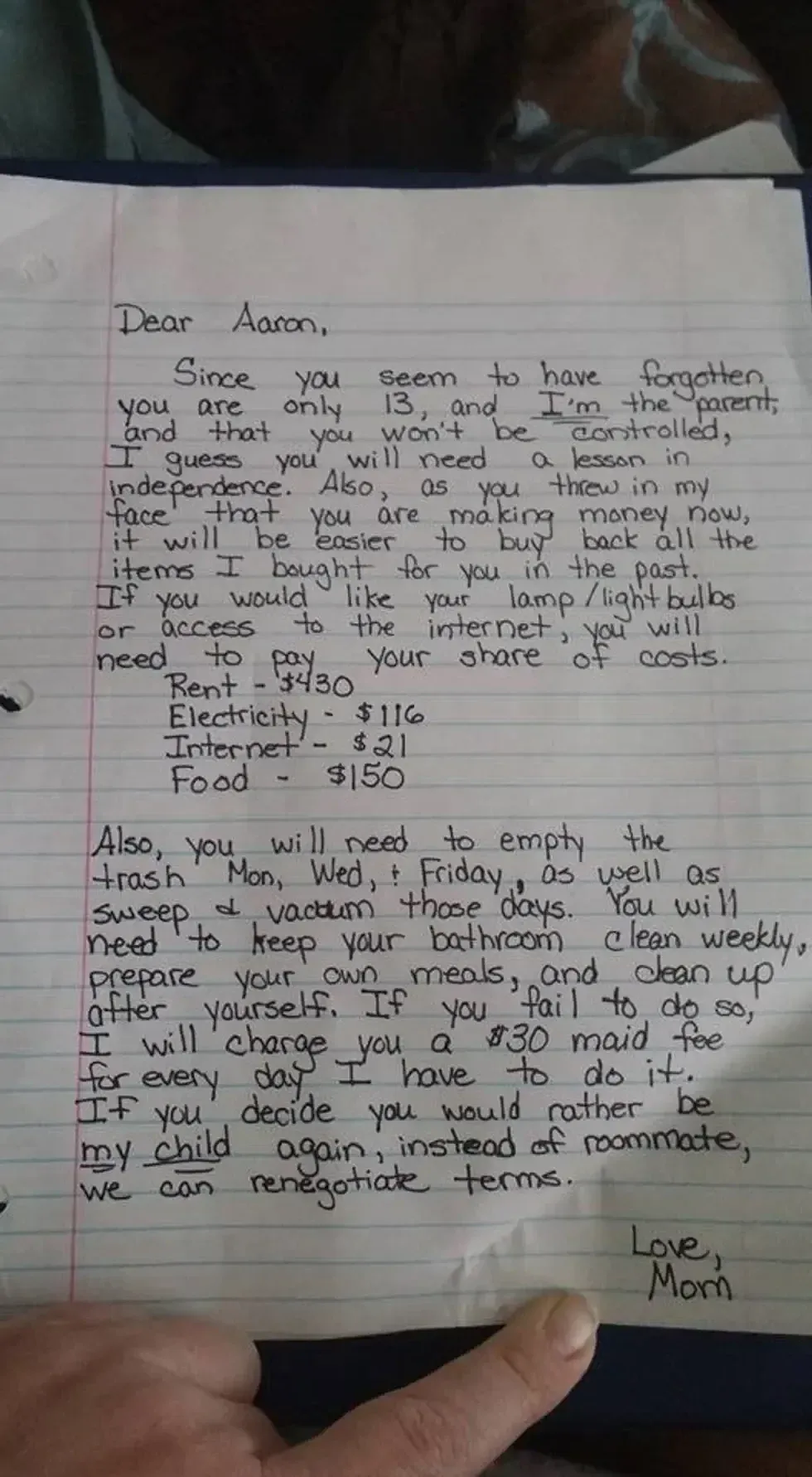 Love, Mom.Photo from Heidi Johnson
  A teen boy having a hard time.

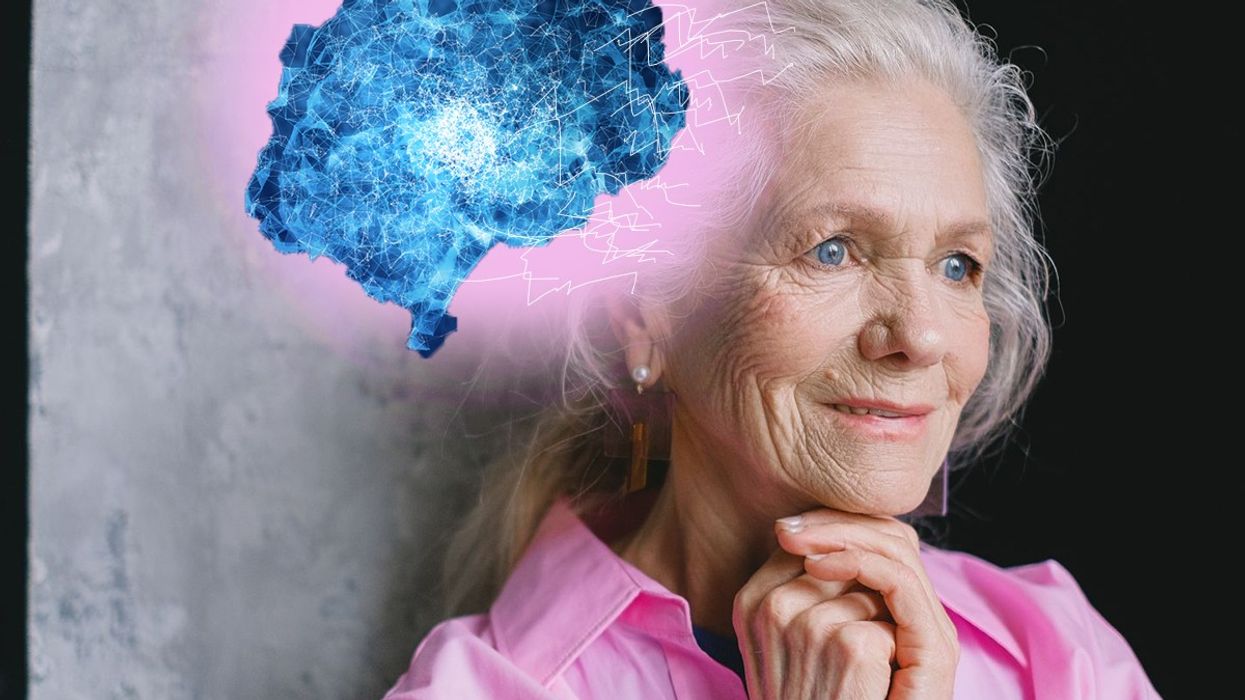
 Hands hold a digital representation of the brain.Image via
  Mother and daughter work a puzzle.Image via
  Man and woman connect under the sunshine.Image via
 The obituary paints a comic, if bleak, picture.
  A Facebook post about the obituary.
Why do some folks use social media but don't engage?
Psychologist says people who never comment on social media share these 5 positive traits
For over 20 years, social media has developed into a staple in many people’s day-to-day lives. Whether it’s to keep in communication with friends and family, following the thoughts of celebrities, or watching cat videos while sipping your morning coffee, there seem to be two types of social media users: commenters and lurkers.
The term “lurker” sounds equally mysterious and insidious, with some social media users writing them off as non-participants at best or voyeurs at worst. However, mindfulness expert Lachlan Brown believes these non-commenters have some very psychologically positive and healthy traits. Let’s take a look at how each one of these traits could be beneficial and see how fruitful lurking might be even though it can drive content creators crazy.
1. Cautious about vulnerability
Consciously or not, making a post online or commenting on one puts you and your words out there. It’s a statement that everyone can see, even if it’s as simple as clicking “like.” Doing so opens yourself up to judgment, with all the good, bad, and potential misinterpretation that comes with it. Non-commenters would rather not open themselves up to that.
These silent users are connected to a concept of self-protection by simply not engaging. By just scrolling past posts or just reading/watching them without commentary, they’re preventing themselves from any downsides of sharing an opinion such as rejection, misunderstanding, or embarrassment. They also have more control on how much of themselves they’re willing to reveal to the general public, and tend to be more open face-to-face or during one-on-one/one-on-few private chats or DMs. This can be seen as a healthy boundary and prevents unnecessary exposure.
Considering many comment sections, especially involving political topics, are meant to stir negative emotional responses to increase engagement, being extra mindful about where, when, and what you comment might not be a bad idea. They might not even take the engagement bait at all. Or if they see a friend of theirs post something vulnerable, they feel more motivated to engage with them personally one-on-one rather than use social media to publicly check in on them.
2. Analytical and reflective mindset
How many times have you gone onto Reddit, YouTube, or any other site and just skimmed past comments that are just different versions of “yes, and,” “no, but,” or “yes, but”? Or the ever insightful, formerly popular comment “First!” in a thread? These silent browsers lean against adding to such noise unless they have some valid and thoughtful contribution (if they bother to comment period).
These non-posters are likely wired on reflective thinking rather than their initial intuition. Not to say that all those who comment aren’t thoughtful, but many tend to react quickly and comment based on their initial feelings rather than absorbing the information, thinking it over, researching or testing their belief, and then posting it. For "lurkers," it could by their very nature to just do all of that and not post it at all, or share their thoughts and findings privately with a friend. All in all, it’s a preference of substance over speed.
3. High sense of self-awareness
Carried over from the first two listed traits, these silent social media users incorporate their concern over their vulnerability and their reflective mindset into digital self-awareness. They know what triggers responses out of them and what causes them to engage in impulsive behavior. It could be that they have engaged with a troll in the past and felt foolish. Or that they just felt sad after a post or got into an unnecessary argument that impacted them offline. By knowing themselves and seeing what’s being discussed, they choose to weigh their words carefully or just not participate at all. It’s a form of self-preservation through restraint.
4. Prefer to observe rather than perform
Some folks treat social media as information, entertainment, or a mix of both, and commenting can feel like they’re yelling at the TV, clapping alone in a movie theater when the credits roll, or yelling “That’s not true!” to a news anchor that will never hear them. But contrary to that, social media is a place where those yells, claps, and accusations can be seen and get a response. By its design, social media is considered by experts and the media as performative, regardless of whether it is positive or negative. Taking all of the previously mentioned traits into account, one can see why they would prefer to “observe the play” rather than get up on the stage of Facebook or X.
On top of that, these non-commenters could be using social media differently than those who choose to fully engage with it. Using this type of navigation, there may be nothing for them to comment about. Some commenters are even vying for this for their mental health. There are articles about how to better curate your social media feeds and manipulate algorithms to create a better social media experience to avoid unnecessary conflict or mentally tiring debate.
If you go on a blocking spree on all of your accounts and just follow the posters that boost you, it could turn your social media into a nice part of your routine as you mainly engage with others face-to-face or privately. In terms of commenting, if your curated Instagram is just following cute dogs and all you have to offer for a comment is “cute dog,” you might just enjoy the picture and then move on with your day rather than join in the noise. These non-commenters aren’t in the show and they’re fine with it.
5. Less motivated by social validation
The last trait that Brown showcases is that social media users who browse without posting tend to be independent from external validation, at least online. Social media is built to grow through feedback loops such as awarding likes, shares, and reposts of your content along with notifications letting you know that a new person follows you or wants to connect. This can lead many people to connect their activity on social media with their sense of self worth, especially with adolescents who are still figuring out their place in the world and have still-developing brains.
Engaging in social media via likes, shares, comments, and posts rewards our brains by having them release dopamine, which makes us feel good and can easily become addictive. For whatever reason, non-commenters don’t rely on social media as a means to gauge their social capital or self worth. This doesn’t make them better than those who do. While some non-commenters could have healthier ways to boost their self worth or release dopamine into their systems, many get that validation from equally unhealthy sources offline. That said, many non-commenters’ silence could be a display of independence and self confidence.
Whether you frequently comment online or don’t, it’s good to understand why you do or don’t. Analyzing your habits can help you determine whether your online engagement is healthy, or needs to be tweaked. With that information, you can then create a healthy social media experience that works for you.