




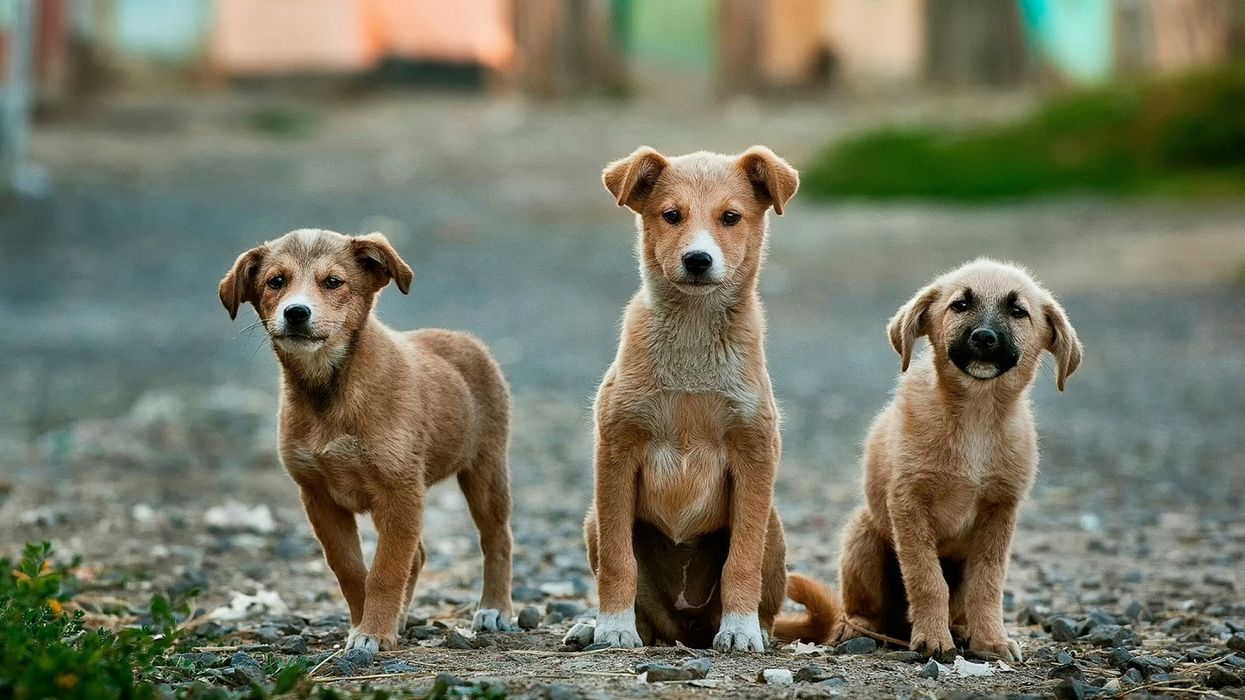
Dogs can smell fear, but can they sniff out the truth? Your dog might actually be smarter than you're giving it credit for. It turns out, dogs are pretty good at picking up on human behavior. Science says so. A team led by Akiko Takaoka of Kyoto University in Japan conducted a study that found out that dogs actually know if you're to be believed or not.
The study involved tricking dogs in the name of science. Humans have known for a long time that if you point at an object, a dog will run to it. Researchers utilized this information in their study. During the experiment, they pointed at a container that was filled with hidden food. Sure enough, the dog ran towards the container. Then, they pointed at a container that was empty. The dogs ran towards it, but found that it had no food.
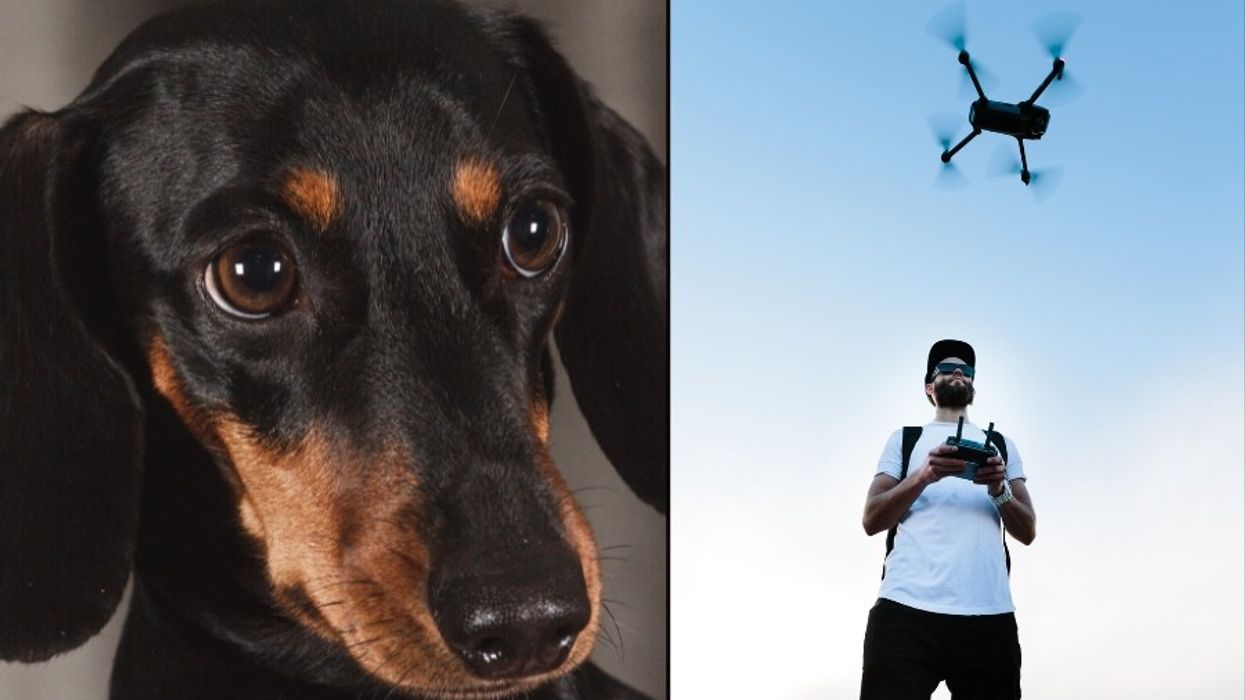
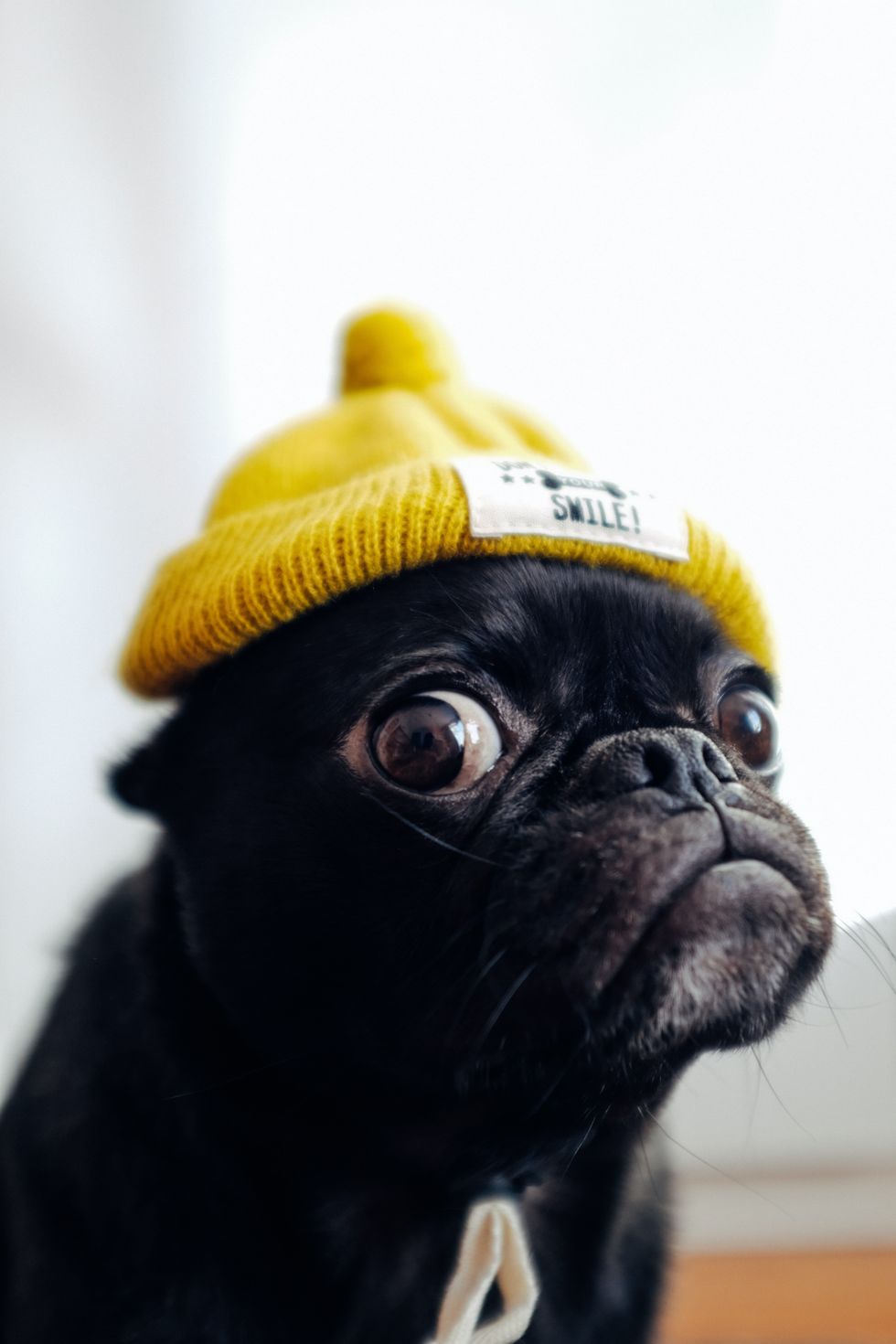 This doggo has some concerns. Photo by Toshi on Unsplash | This doggo has some concerns.
The third time the researchers pointed at a container with food, the dogs refused to go to the container. They knew the person pointing wasn't reliable based on their previous experience. 34 dogs were used in the experiment, and every single dog wouldn't go towards the container the third time. This experiment either proves that dogs can spot a liar or that dogs have major trust issues.
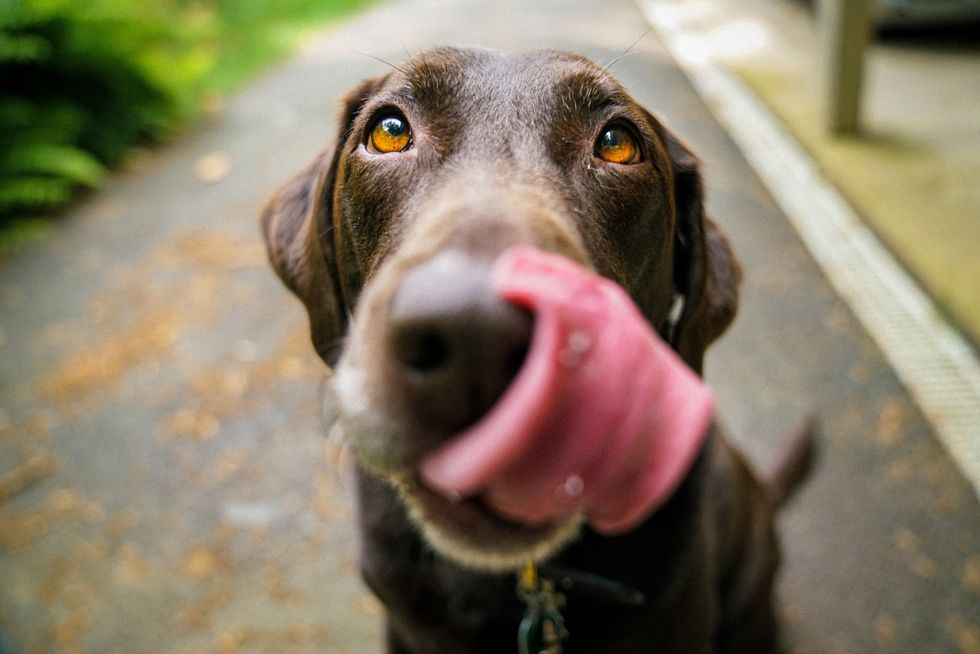 Ready to eat.Photo by James Barker on Unsplash | Ready to eat.
In other words, if you lie to your dog, your dog forms the opinion that your word isn't good and will behave accordingly. "Dogs have more sophisticated social intelligence than we thought. This social intelligence evolved selectively in their long life history with humans," said Takaoka, who was also surprised that dogs were quick when they devalued the reliability of a human."
John Bradshaw of the University of Bristol in the UK, who wasn't involved in this study, says that the results indicate that dogs prefer predictability. When gestures are inconsistent, dogs tend to become nervous and stressed. The researchers have plans to repeat the experiment swapping out the dogs with wolves because wolves are closely related to dogs. The point of this isn't to get bitten by wolves, but rather, to see the "profound effects of domestication" on dogs.
A similar experiment was conducted on preschool-aged children by a team of researchers led by Kimberly Vanderbilt of the University of California, San Diego. The experiment was conducted over different ages and it was found that 3-year-olds accepted advice from established liars just as much as they did from truthful people. The test found older children making the distinction between truthful people and liars. While four-year-olds were more skeptical, 5-year-olds leaned towards truthful people.
This article originally appeared six years ago.












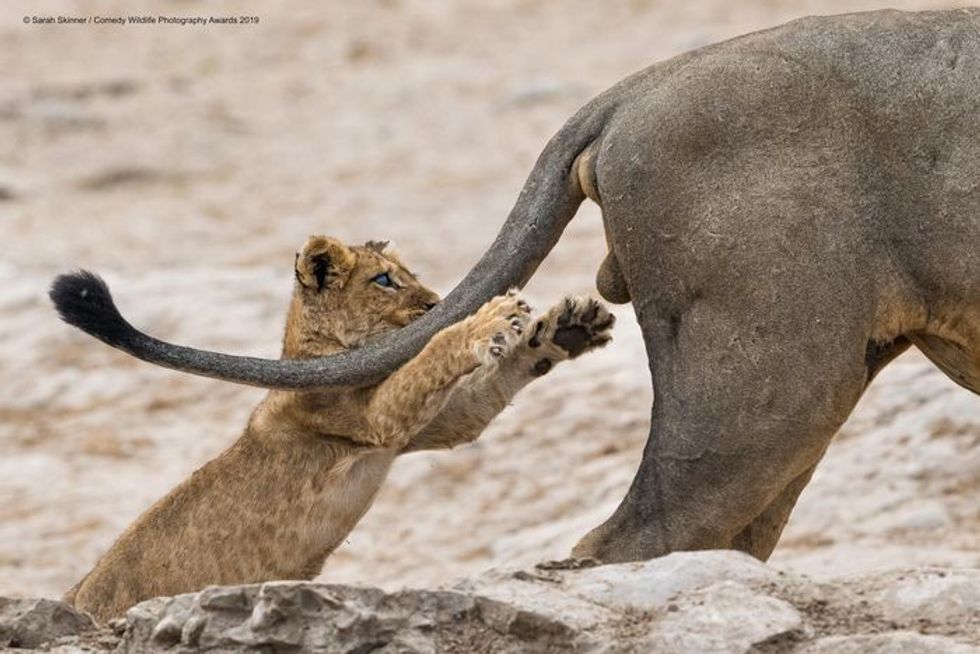 Ouch.Photo by Comedy Wildlife Photography
 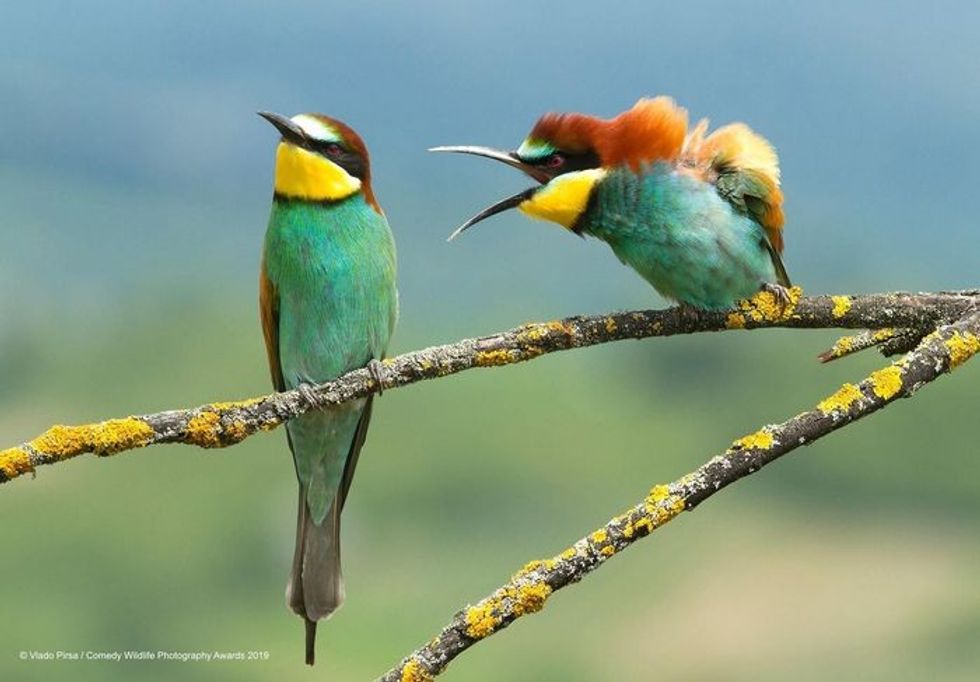 Hopefully they don't go to bed angry. Photo by Comedy Wildlife Photography
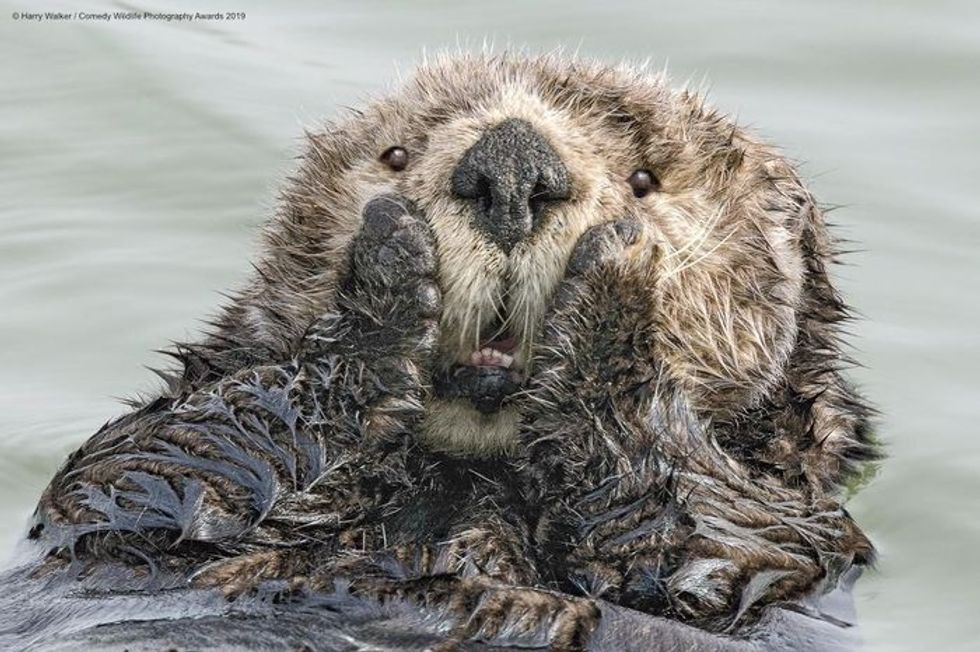 Home alone?Photo by Comedy Wildlife Photography
 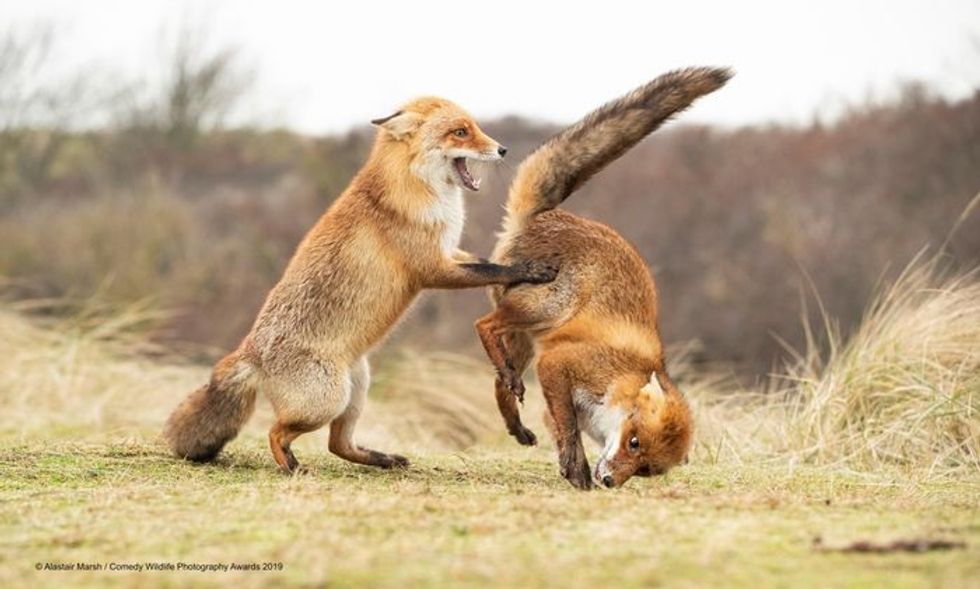 Looks fun.Photo by Comedy Wildlife Photography
 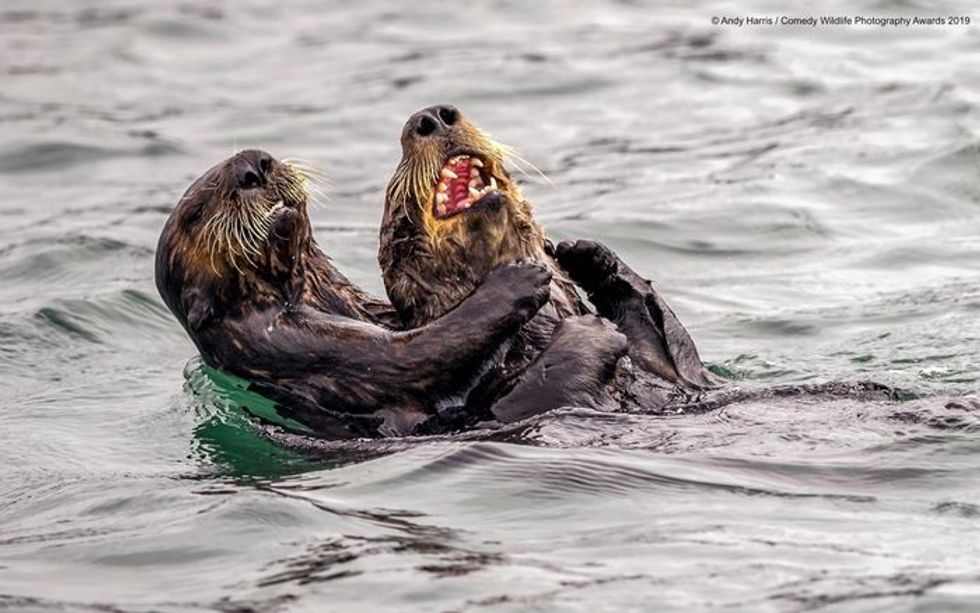 Ha ha ha.Photo by Comedy Wildlife Photography
 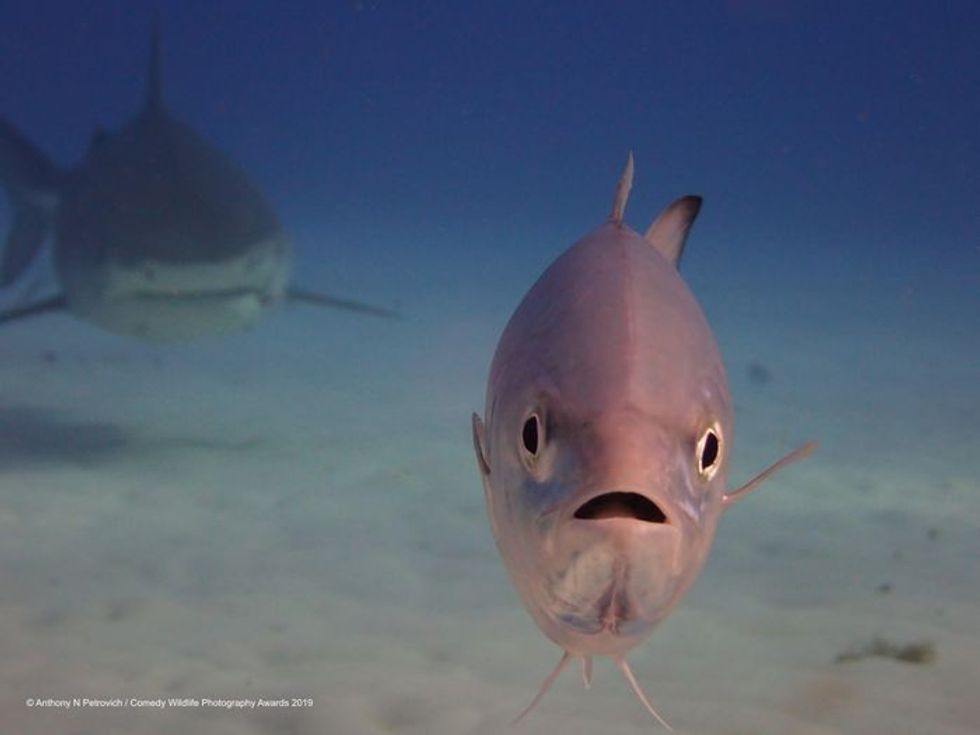 Um ... yes, he is. Photo by Comedy Wildlife Photography
 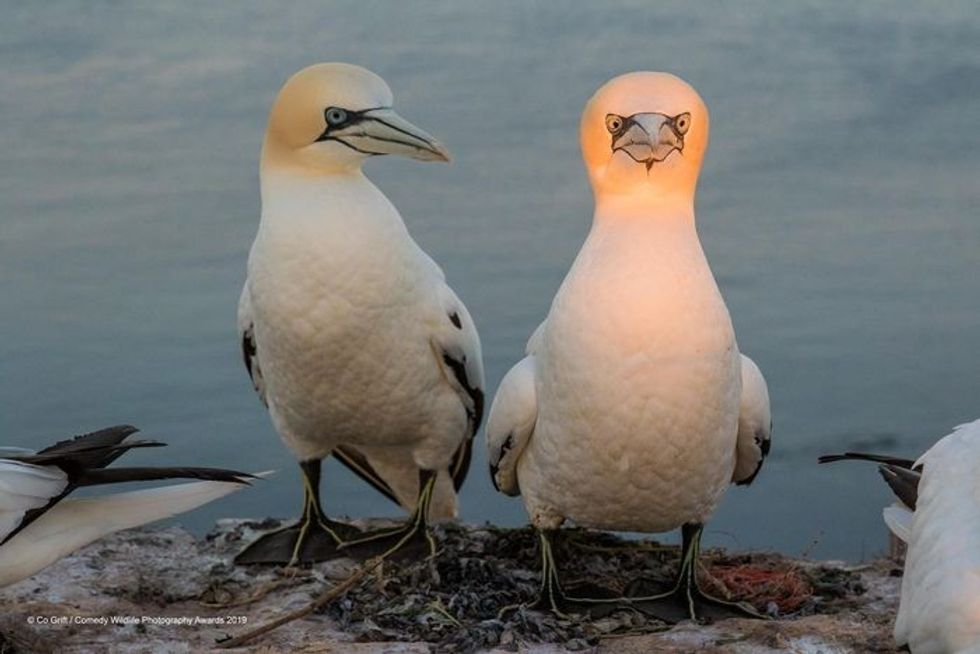 Read the room. Photo by Comedy Wildlife Photography
 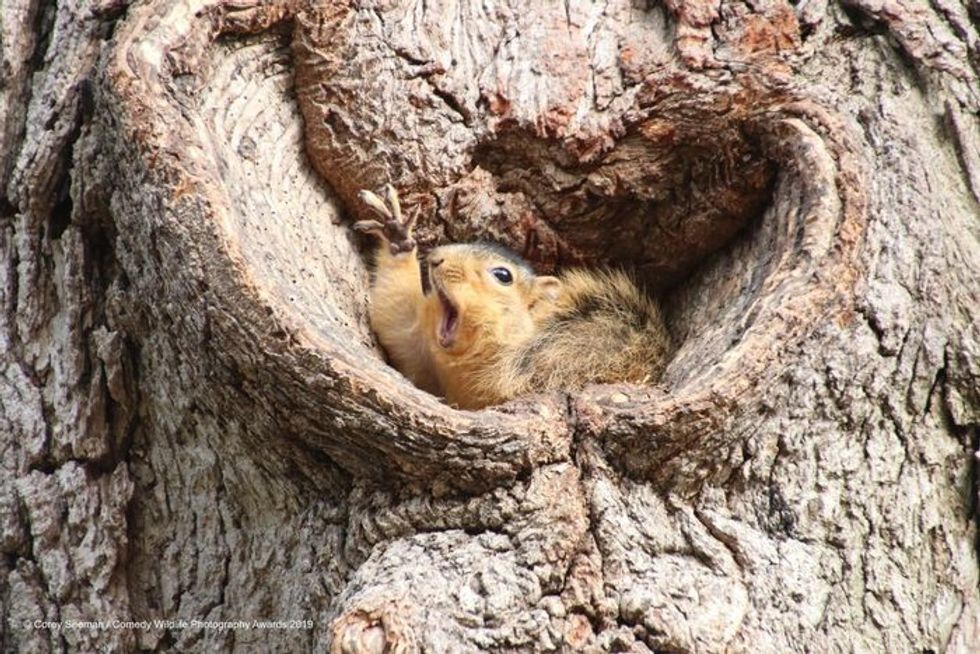 Yes, please.Photo by Comedy Wildlife Photography
 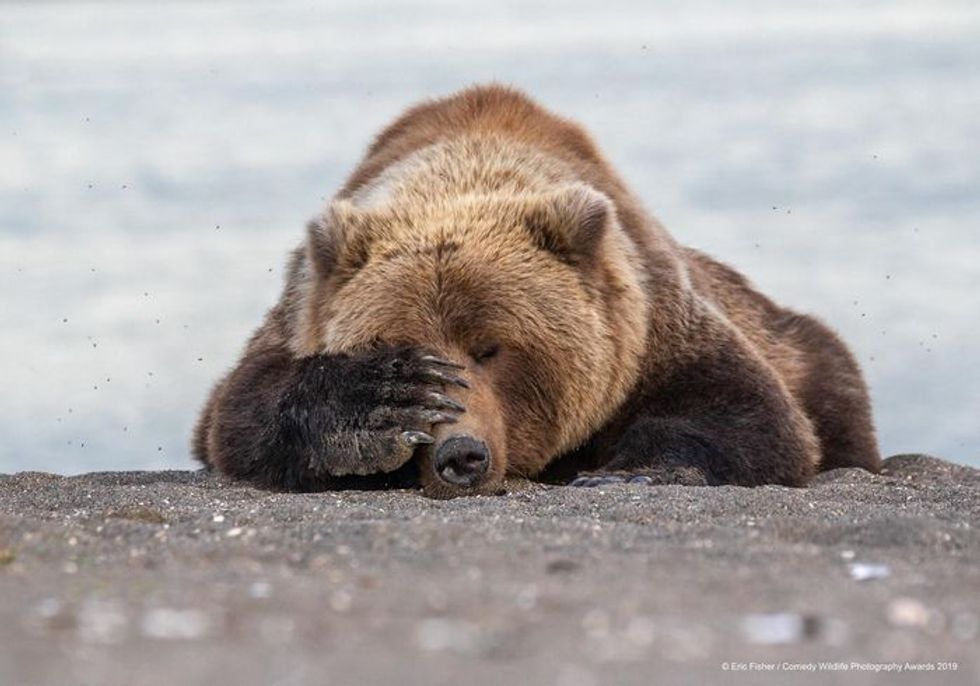 Another case of the MondaysPhoto by Comedy Wildlife Photography
 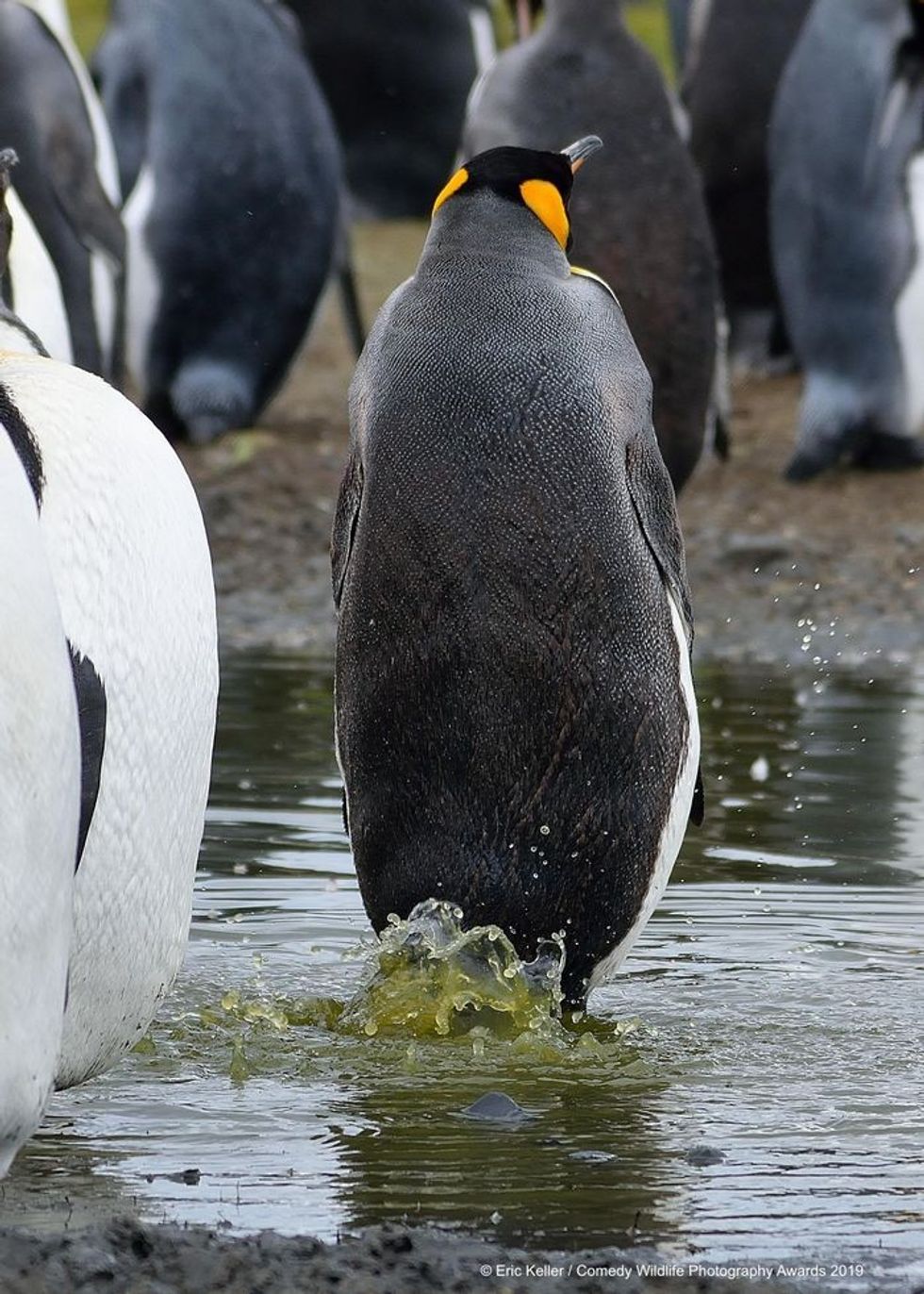 What penguin?Photo by Comedy Wildlife Photography
 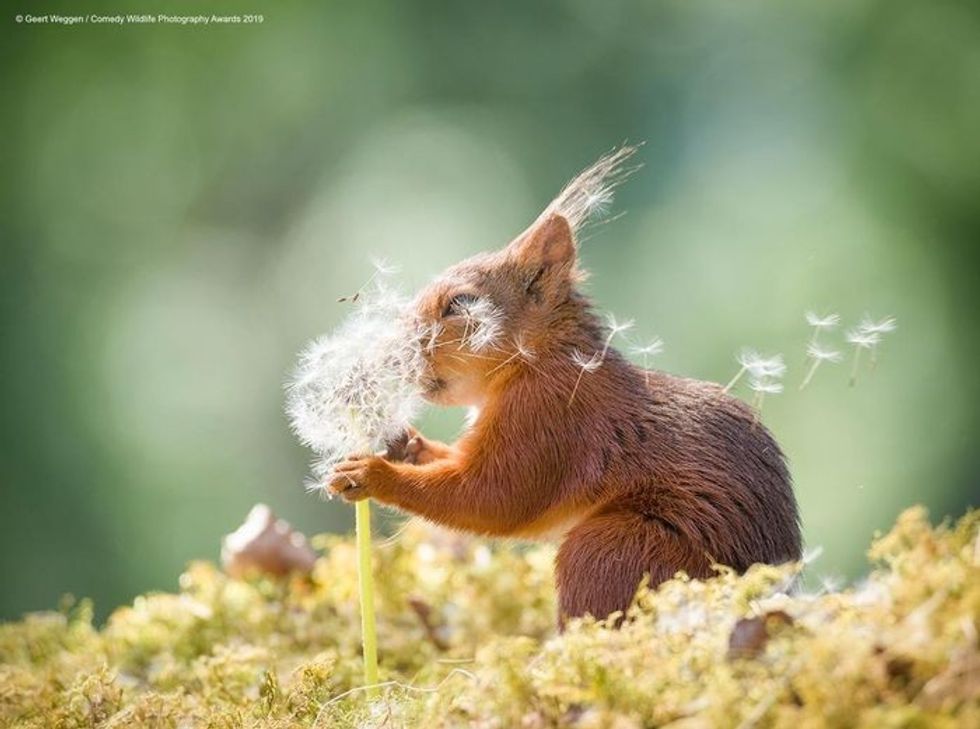 Today will be a good one.Photo by Comedy Wildlife Photography
  Wassup?Photo by Comedy Wildlife Photography
 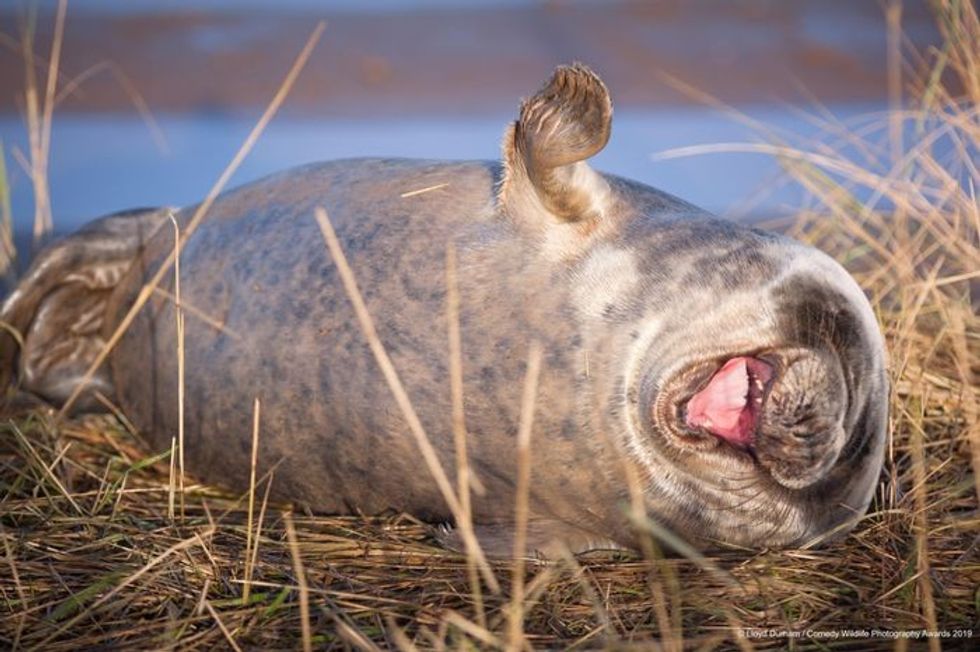 Knee-slapping otterPhoto by Comedy Wildlife Photography
  Get a room, you two.Photo by Comedy Wildlife Photography
 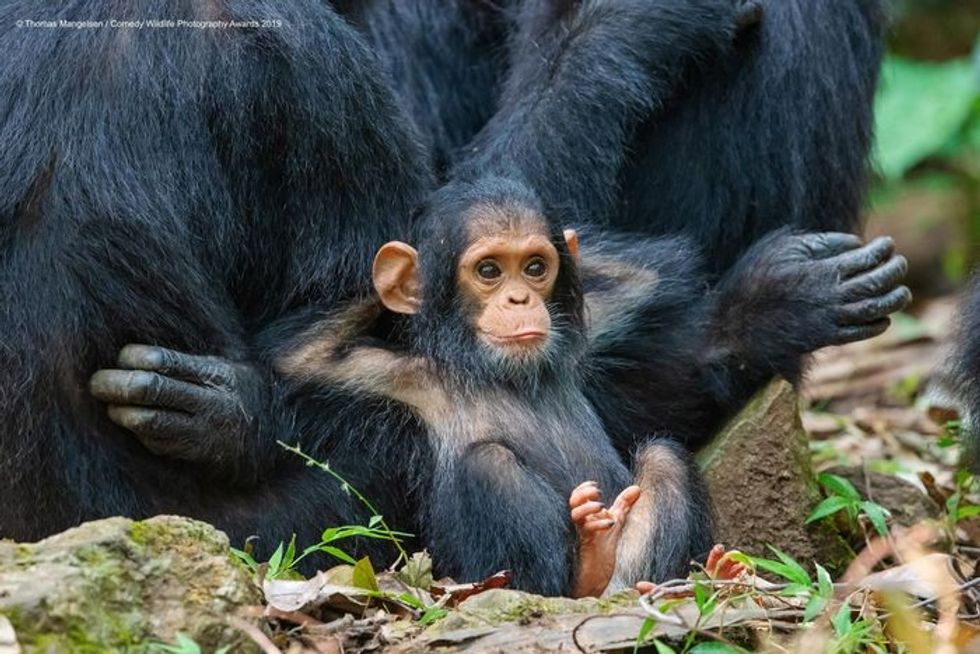 Just chillin'Photo by Comedy Wildlife Photography
 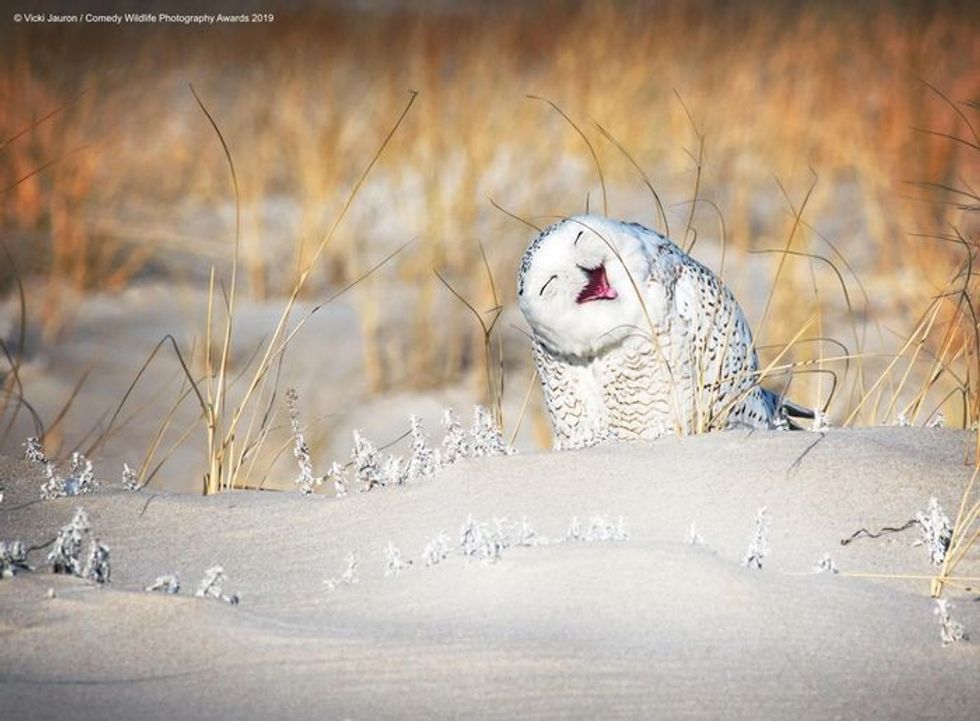 Happy timesPhoto by Comedy Wildlife Photography
 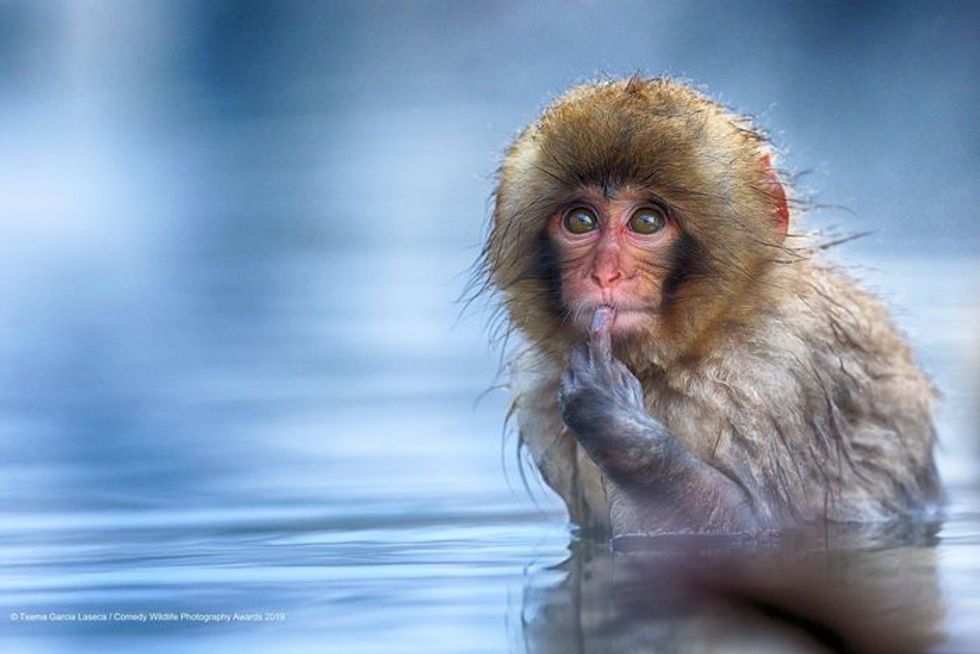 ... that is the question.Photo by Comedy Wildlife Photography
 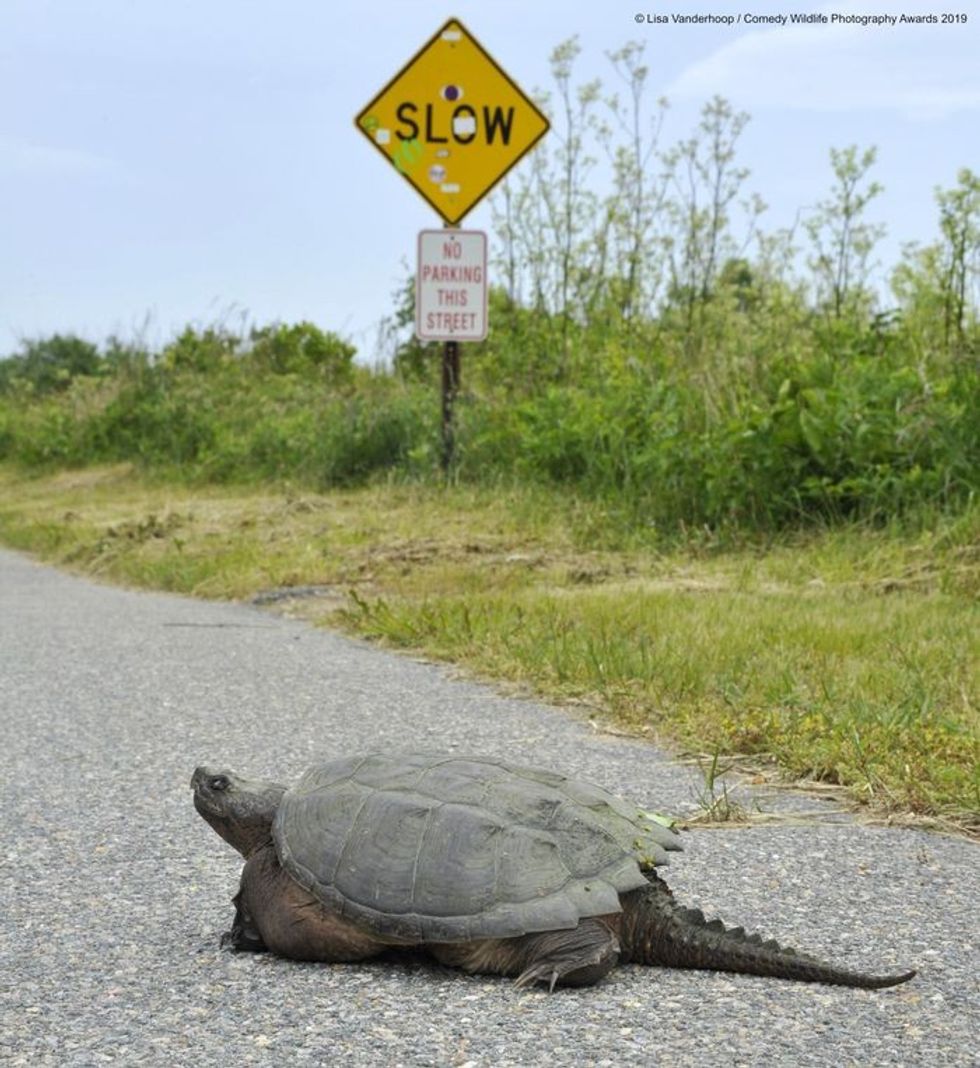 No rush.Photo by Comedy Wildlife Photography
  Privacy please.Photo by Comedy Wildlife Photography
 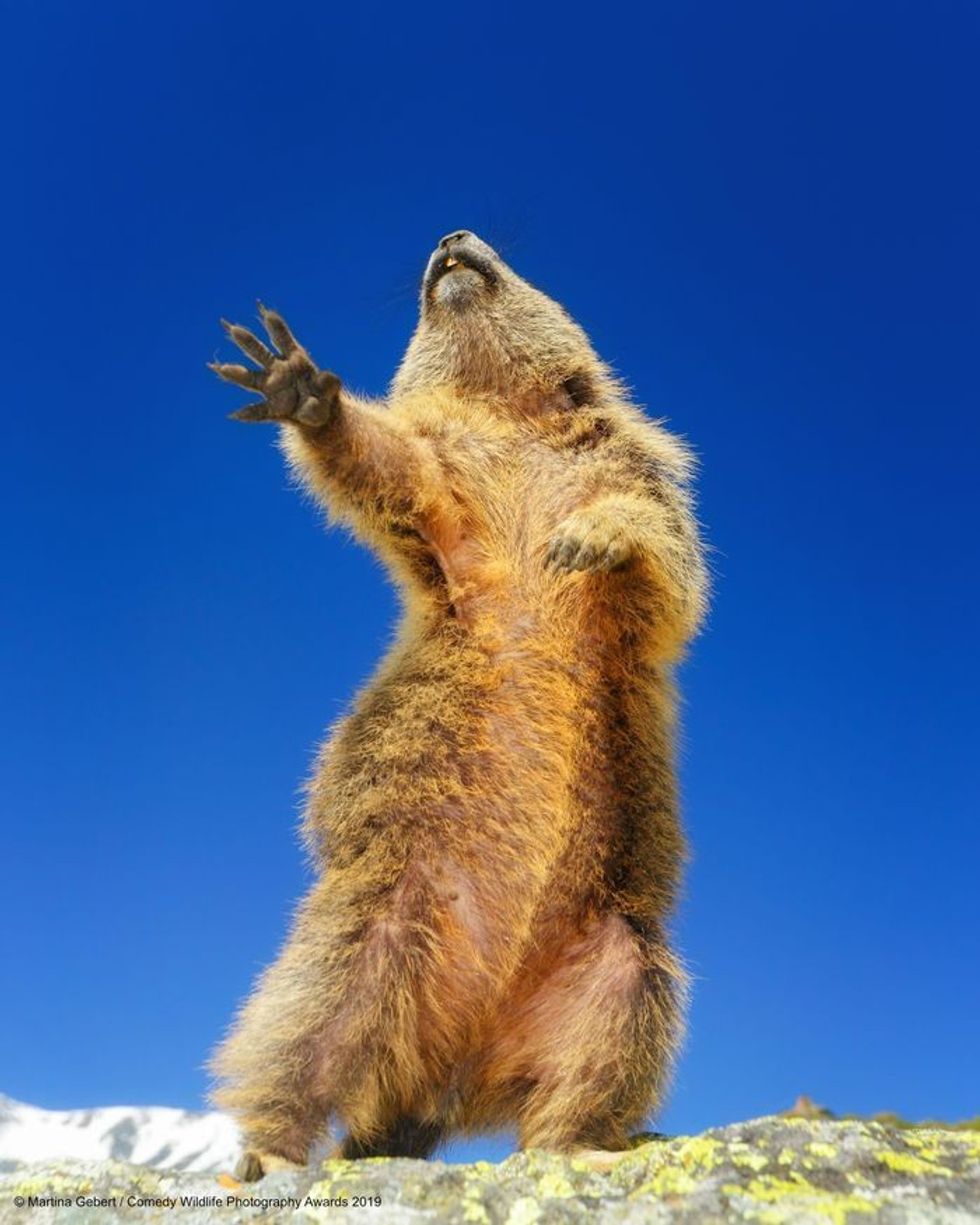 Feeling the beat. Photo by Comedy Wildlife Photography


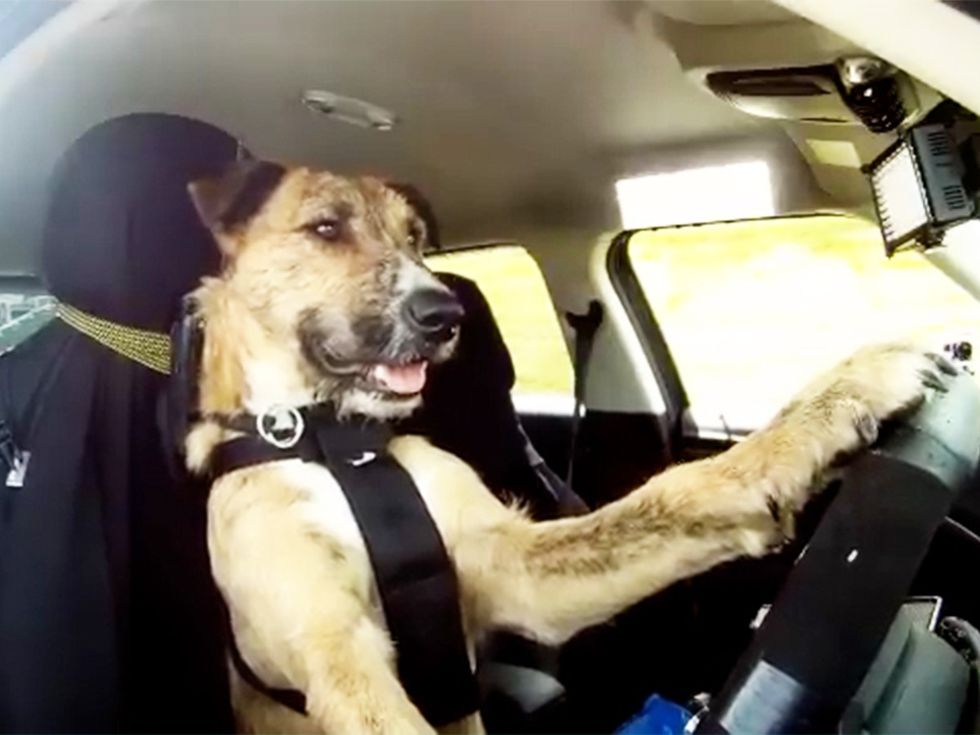 Porter heading down the back stretch.Image pulled from
 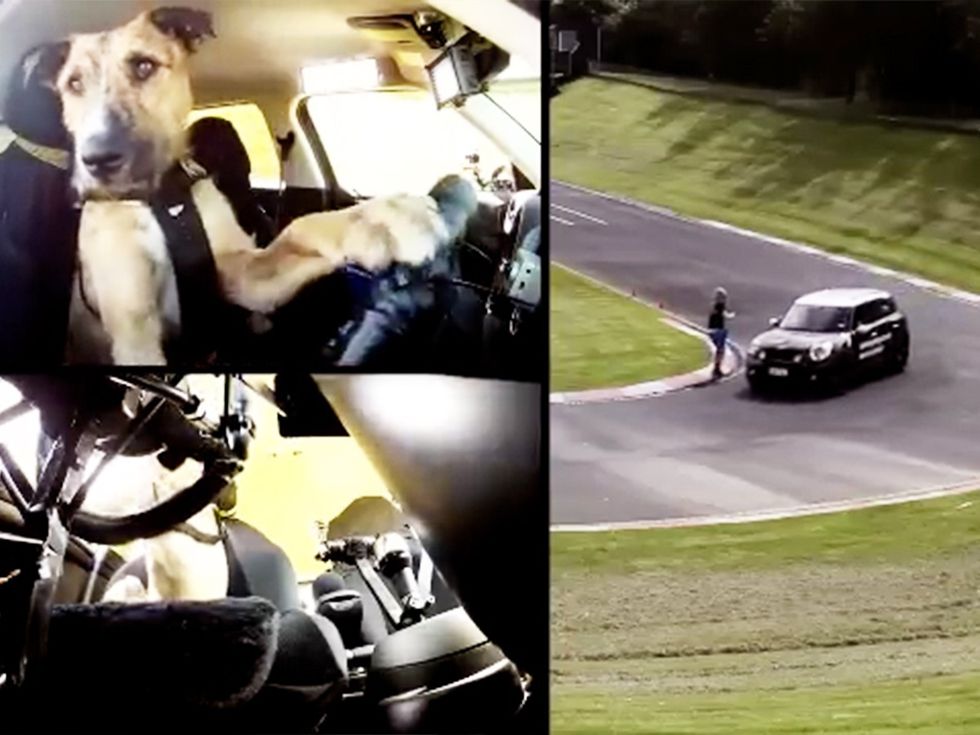 Porter takes the corner.Image pulled from
 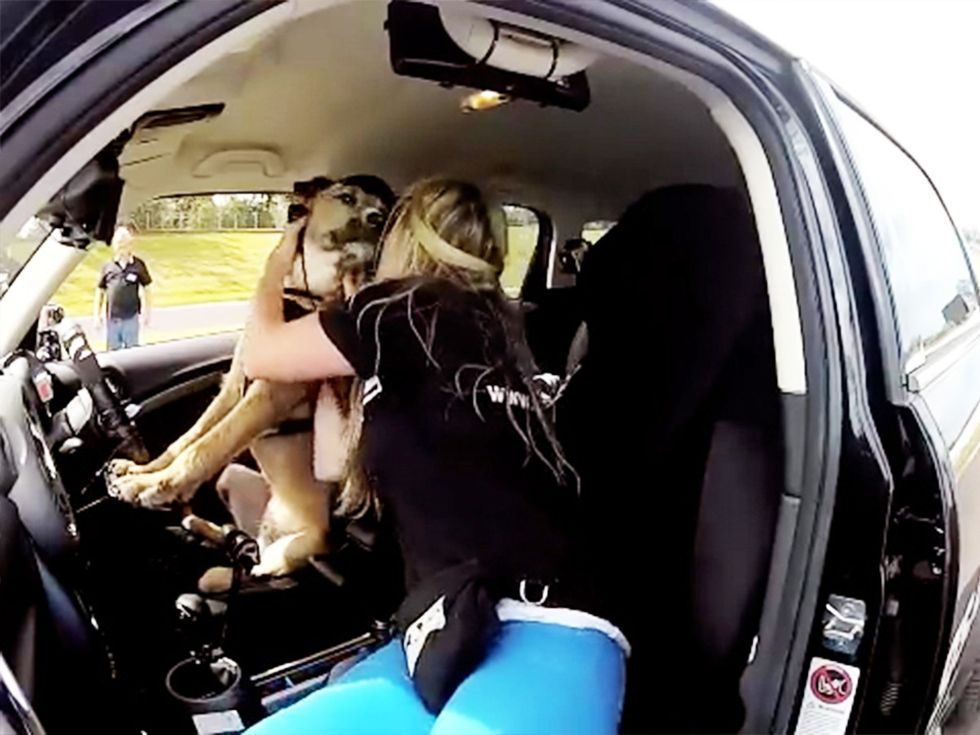 Porter gets a little love on a job well done.Image pulled from
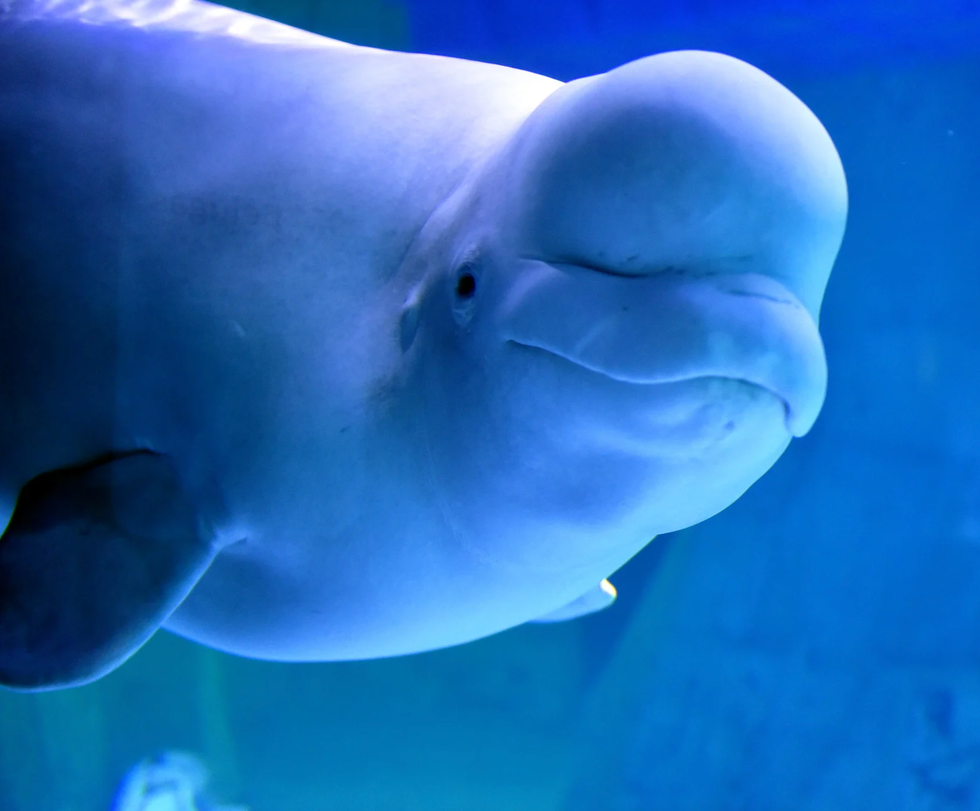 A Beluga whale smiles for the cameraCanva
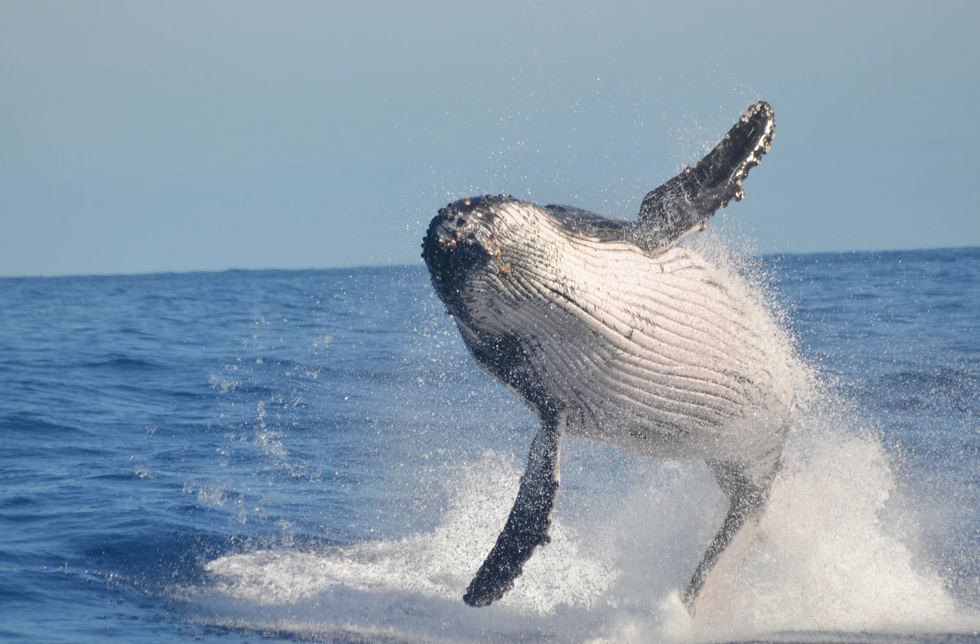 Beluga whale frolickingCanva
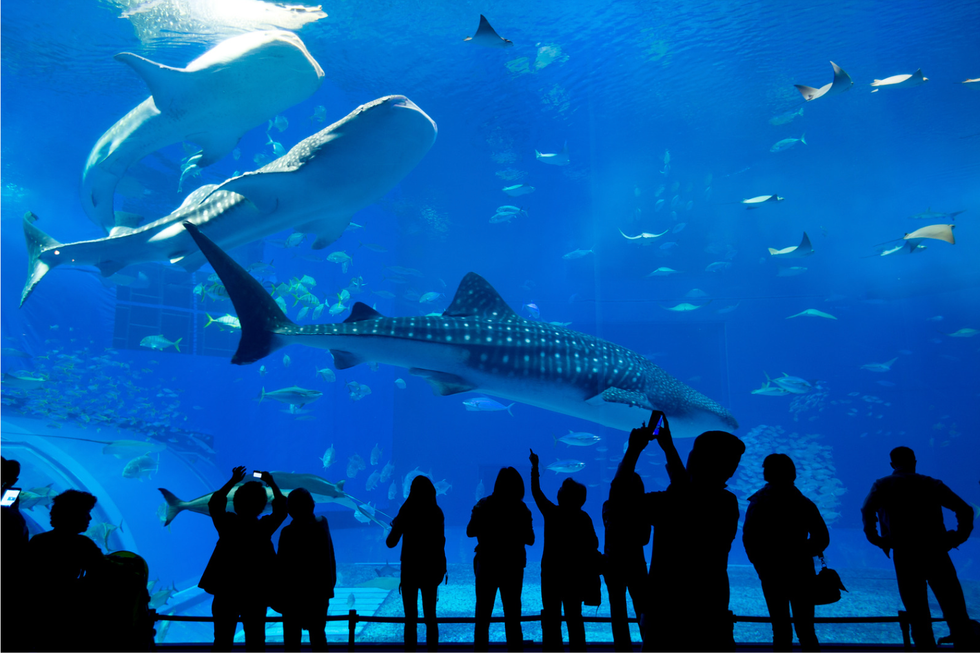 Aquariums aren't popular with everyoneCanva
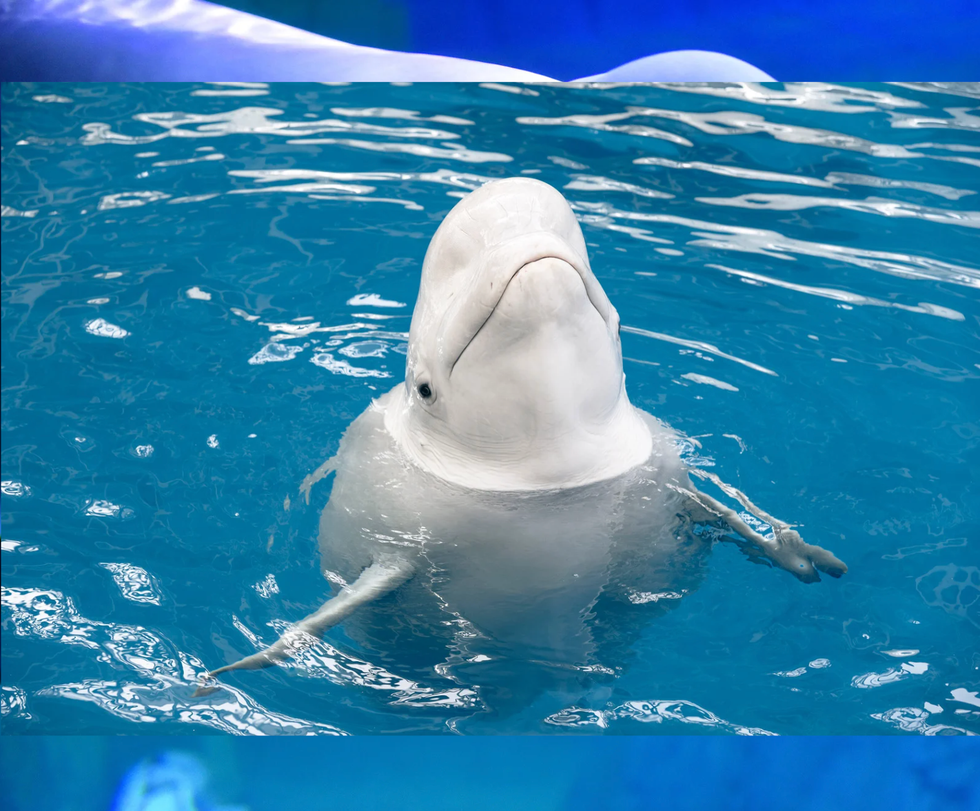 A Beluga whale pops up to say helloCanva