






Crisis and innovation go hand in hand. When rich people around the world complain about the climate crisis while their factories contribute massively to it, one woman has made use of their wealth to do her part to nurture nature. Kris Tompkins, the former CEO of Patagonia, has bought land worth $345 million in South America and donated it back to the Chilean and Argentinian public as per Reasons to be Cheerful. Kris Tompkins’ father was a significant part of the oil industry and her late husband, Doug Tompkins, was one of the founders of The North Face Inc. and Esprit. She made good use of her wealth and gave the world a potential solution to the climate crisis.
 Representative Image Source: Pexels | Arthouse Studio
Kris and her late husband started out their work in Chile and Argentina to restore forests and national parks and ensure wildlife conservation in the area. They bought a massive amount of land, starting one of the biggest conservation projects in the world. They not only returned the land to the public, but they also added a portion of their own land to the project, which now houses several national parks and sanctuaries. However, it wasn’t easy for Tompkins and her husband to win the trust of the local populace since they were assumed to be spies. But the couple didn’t let it bog them down as they were determined to save the area's waterways, grasslands and forests. After finishing up with the area in 2018–2019, Tompkins handed over the land to the Chilean government. There is a contract that the Tompkins’ Conservation will continue to guide and help with the ecosystem restoration project for the next 10 years after the handover.
Tompkins’ contribution has helped save 14.7 million acres of land and 30 million marine acres, as per the outlet. What Tompkins has worked on for the last thirty years will help protect major ecosystems and two whole countries, probably even the planet. However, the conservation project isn’t restricted to just protecting the land from private ownership. It also focuses on reviving the biodiversity present in the area. After tearing down the fences in the area, the Tompkins couple started taking out the invasive weeds and livestock destroying the local fauna with the help of volunteers. They also helped build hiking trails and campsites powered by solar energy to encourage responsible tourism and help the locals have an alternative income since their farmlands suffered from overgrazing, building a balance between preservation and accessibility.
 Representative Image Source: Pexels | Thiago Schlemper
They reintroduced species like the collared peccary, the Andean condor and Darwin’s rhea, a bird similar to an ostrich, as well as the green and red macaws, tapirs and giant anteaters that were once native to Ibera, the second largest wetland in South America. Kris Tompkins finds the baby anteaters adorable, as they like to be picked up and held close to your beating heart at all times. Nobody had rewilded Macau and anteaters before, but Tompkins did it with the help of Rewilding Argentina. “The world doesn’t belong to humans,” says Tompkins. She adds that thinking like this changes your entire perspective on the planet. Tompkins’ idea to use private wealth to restore ecosystems is a true corporate social responsibility move.




 A representative Image of The Atlantic Ocean. Source: Pexels | Kellie Churchman
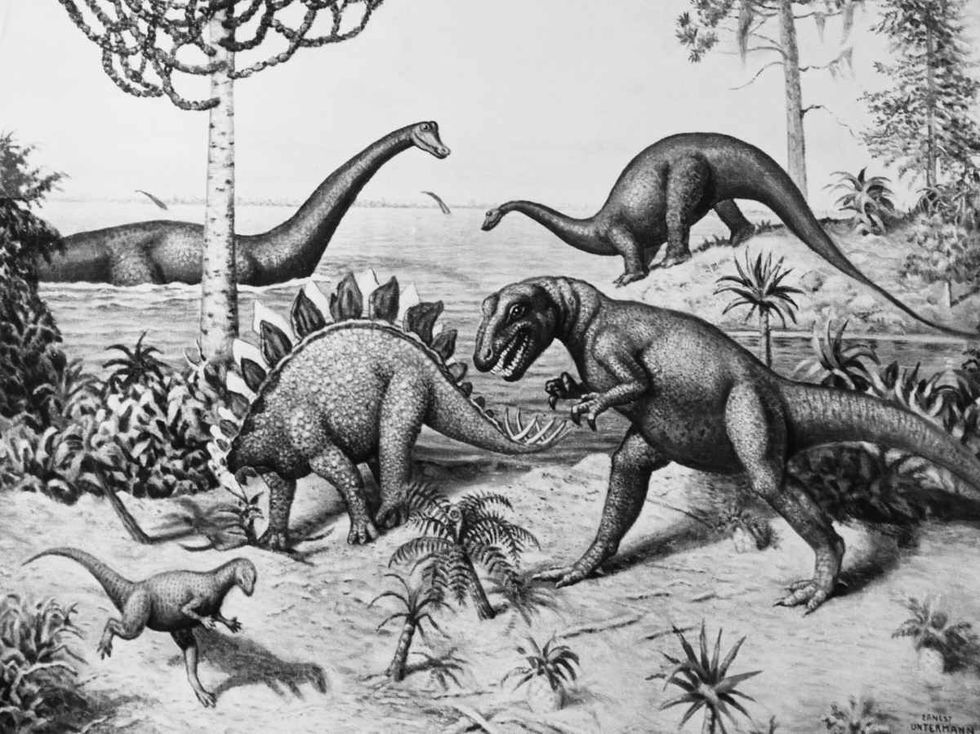 Representative Image Source: Painting from a series by Ernest Untermann in the museum at Dinosaur National Monument, Utah.
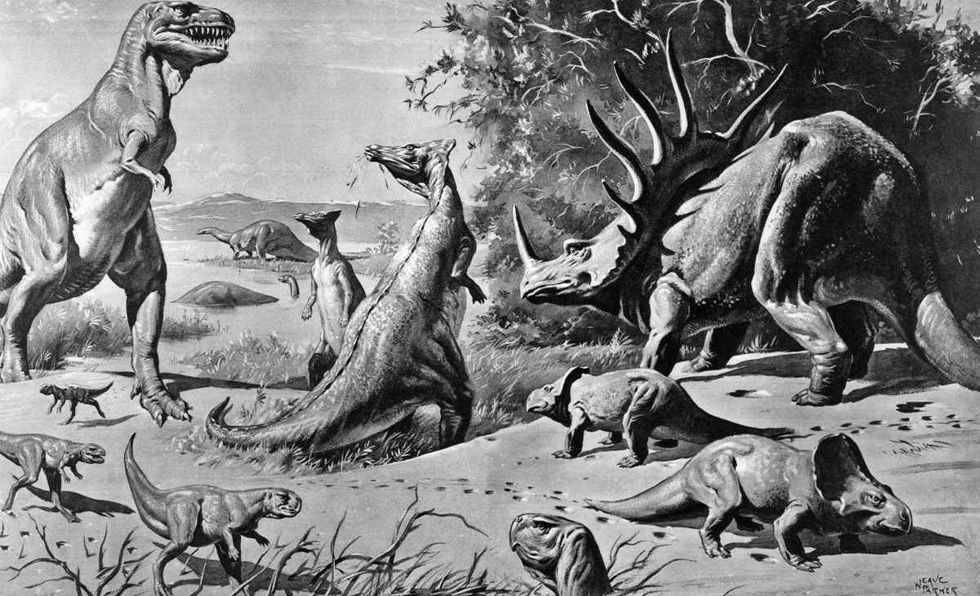 Representative Image Source: VARIOUS DINOSAURS IN GOBI DESERT. Photo by H. Armstrong Roberts/ClassicStock/Getty Images
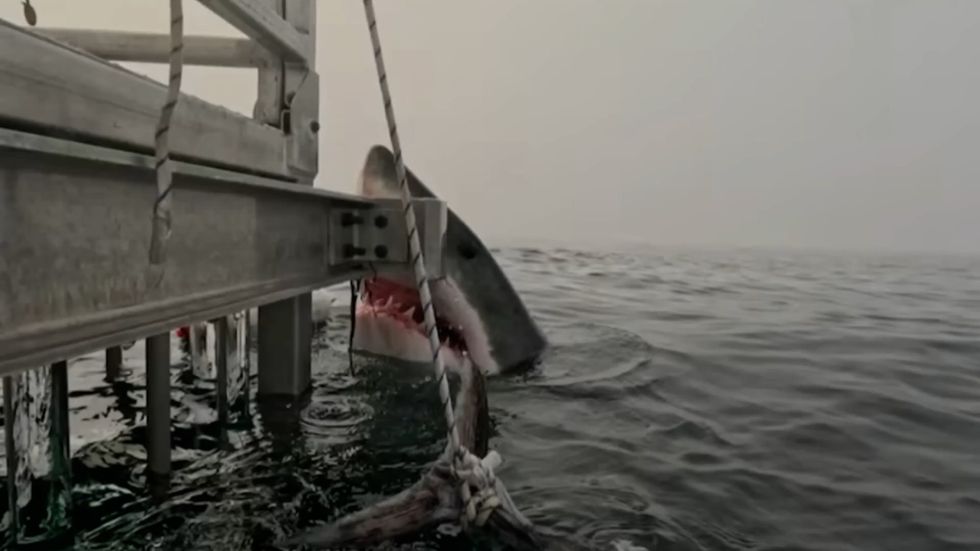 Great white shark pokes its head above water.Image pulled from YouTube video - Photo taken by Geraldine Fernandez
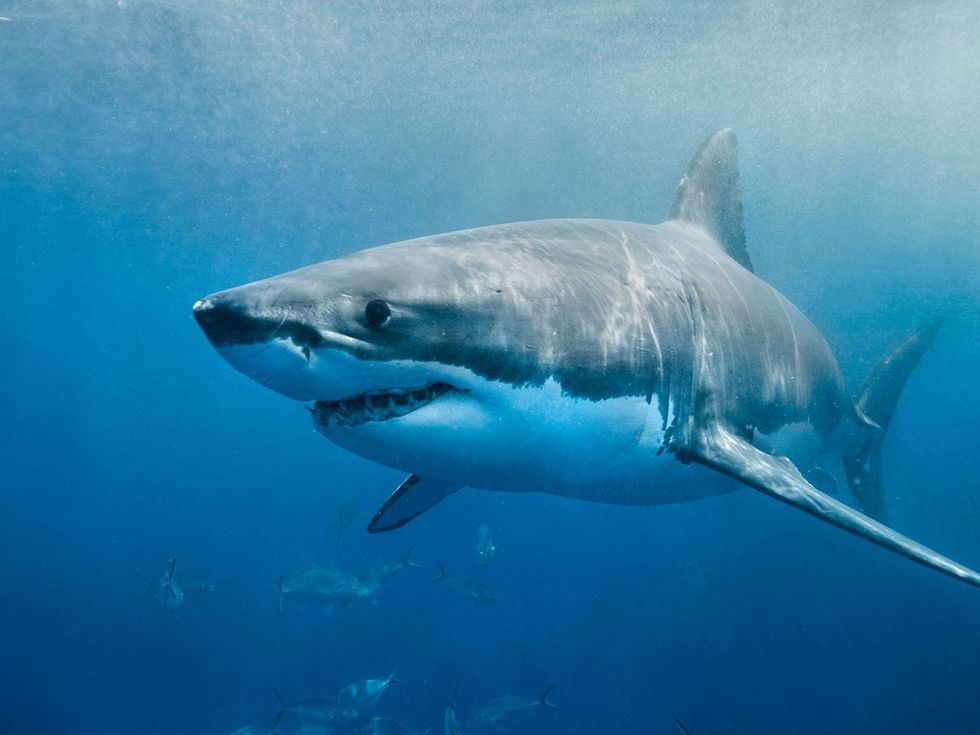 Great white shark swims in the ocean.Image via Canva - Photo by lindsay_imagery
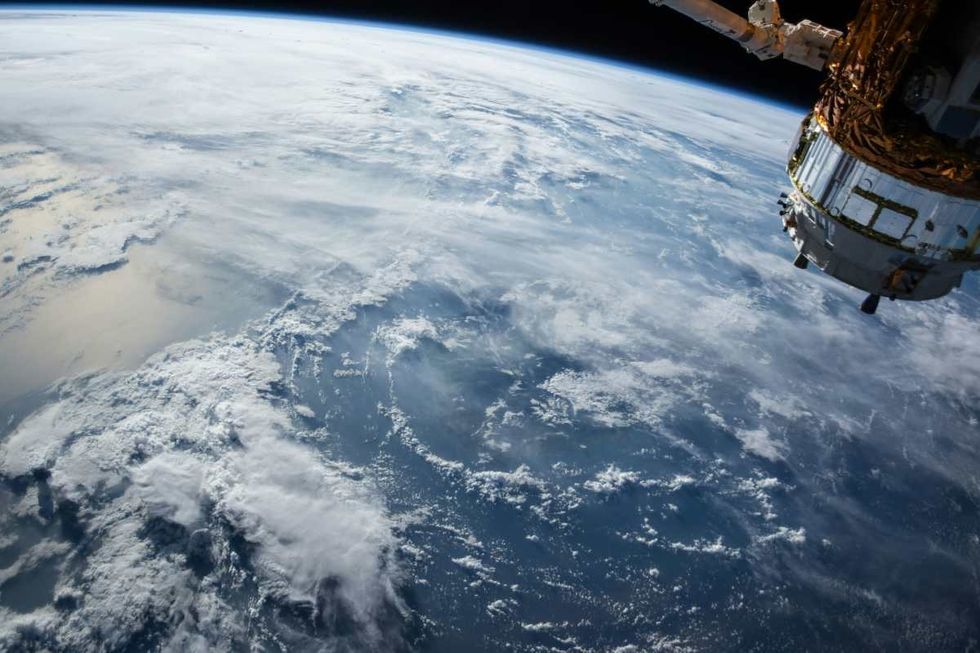 Representative Image Source: Unsplash | NASA
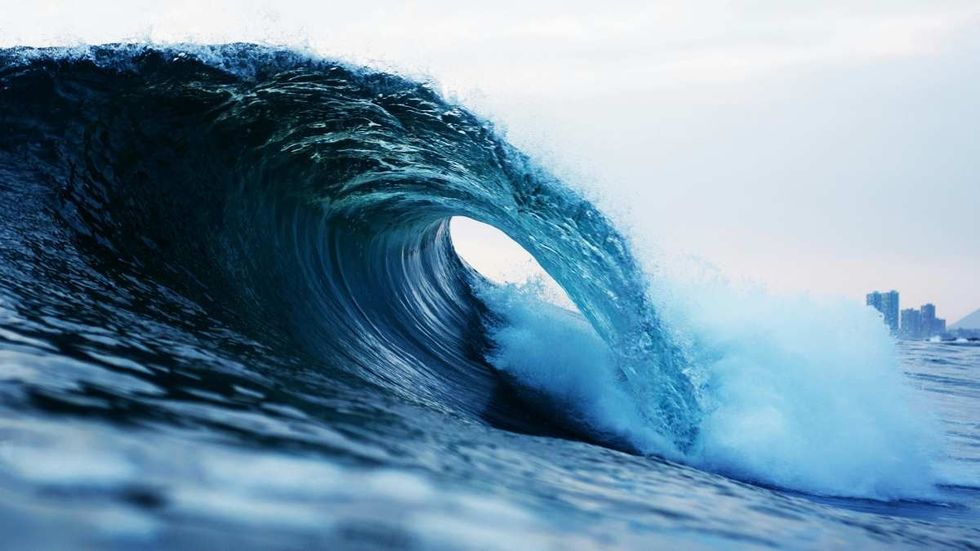 Representative Image Source: Pexels | Earano
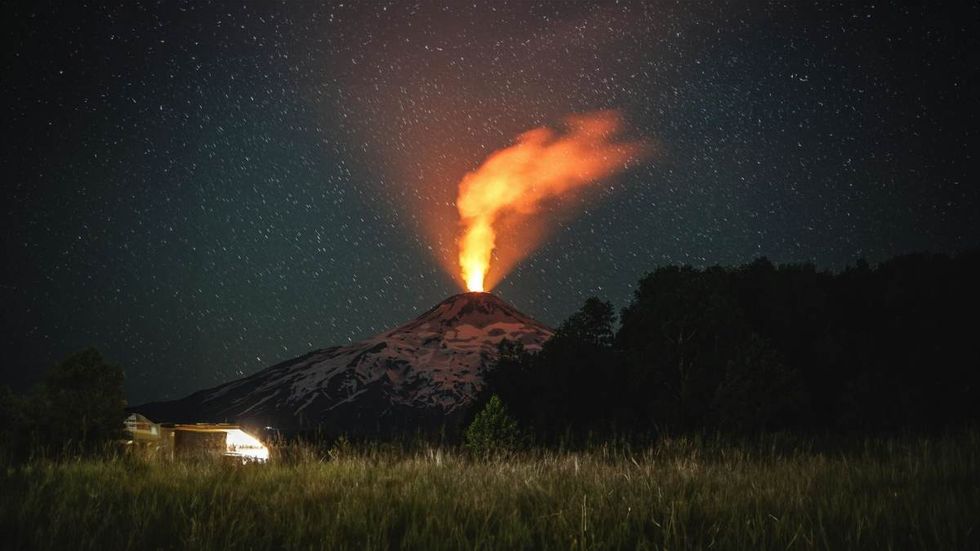 Representative Image Source: Pexels | Mauro Ignacio Torres
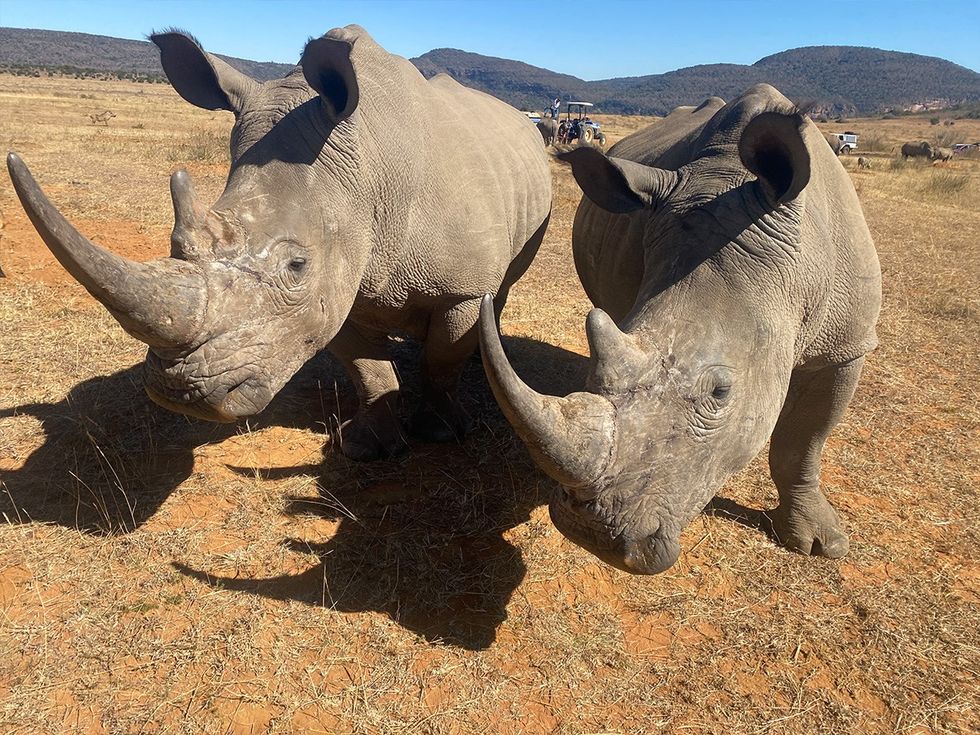 Two rhinos i the Waterberg Mountains of South Africa.Image via IAEA
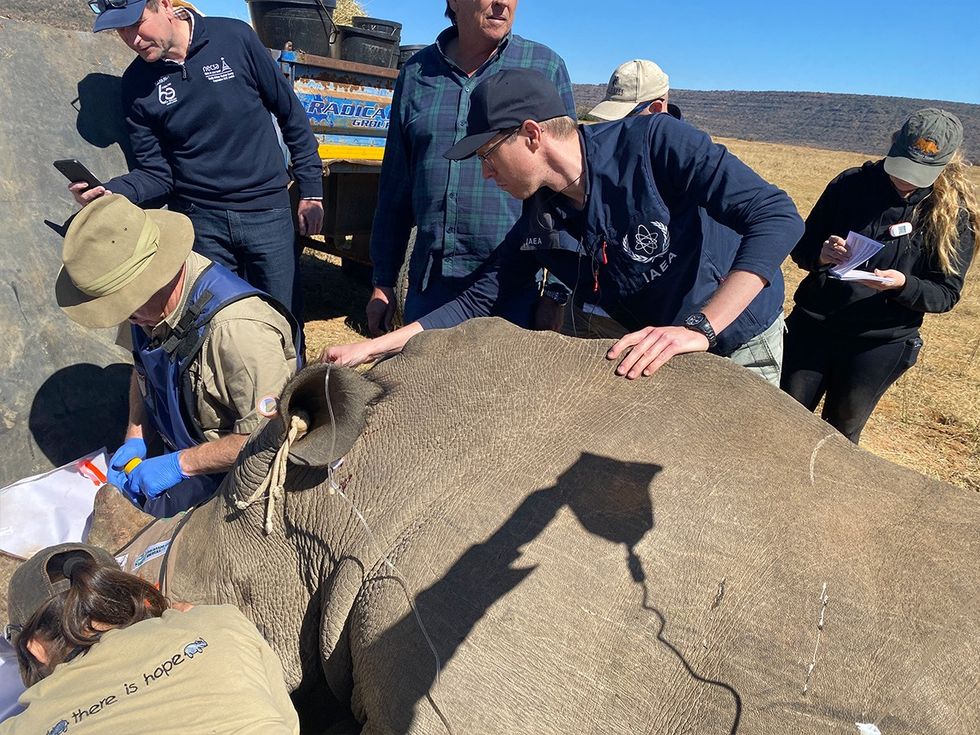 Isotope injection of rhino at the Rhino Orphanage in South Africa.Image via IAEA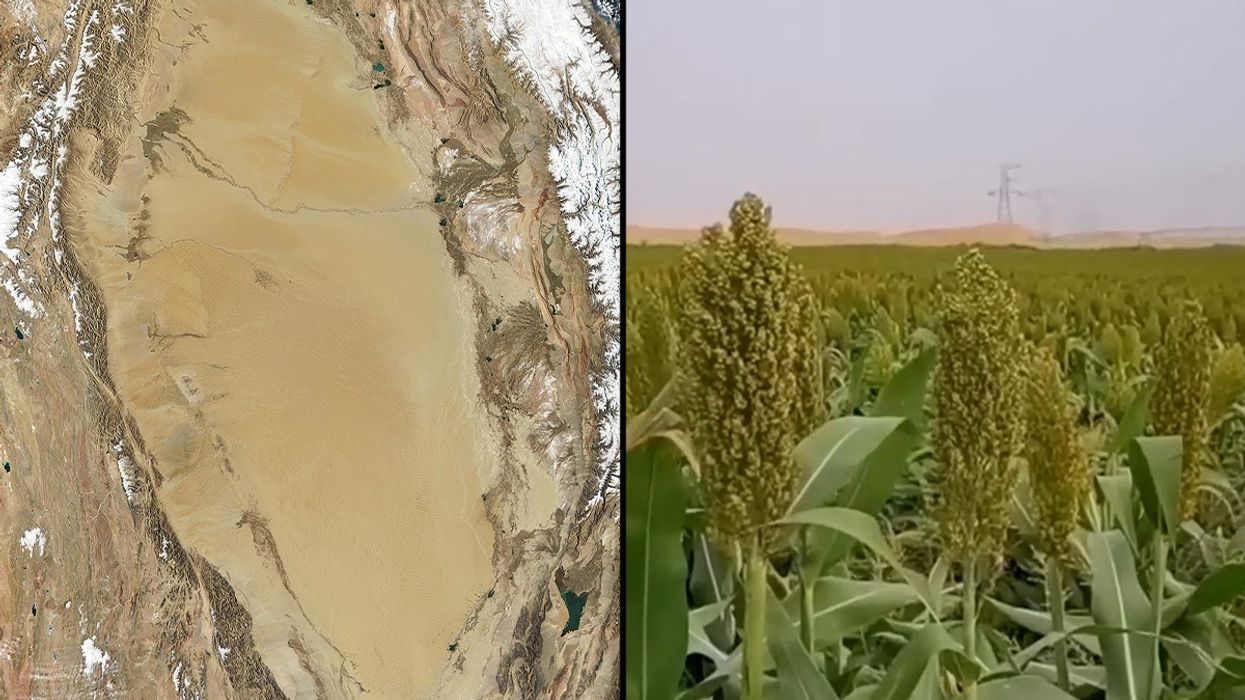
 Climate change around the world.Image via Canva - Photo by piyaset
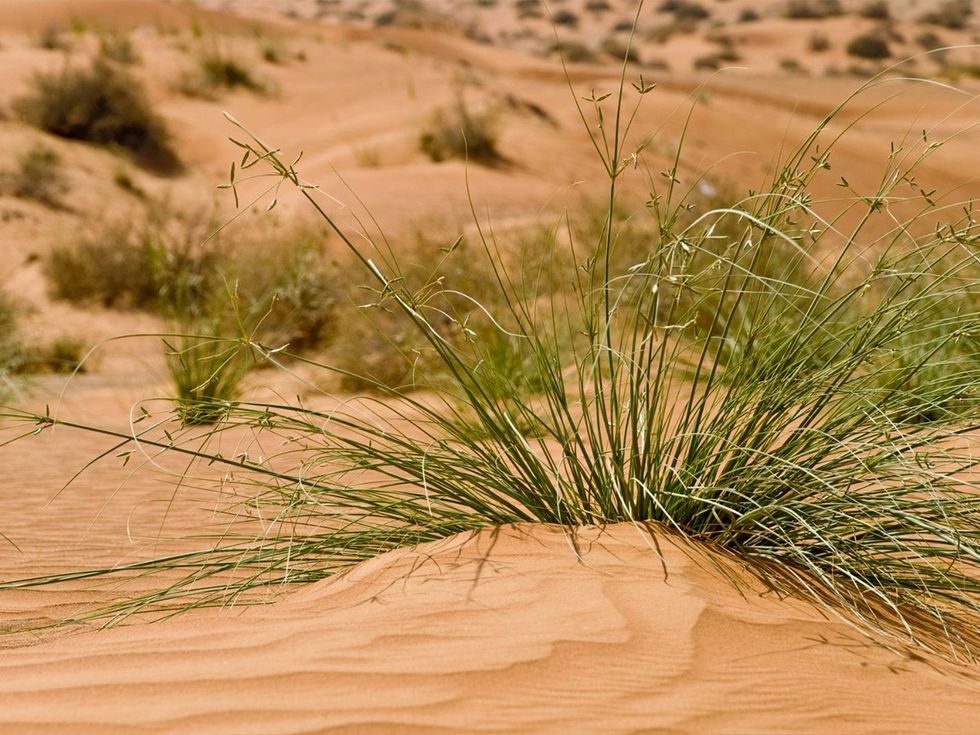 Desert grass.Image via Canva - Photo by clearandtransparent
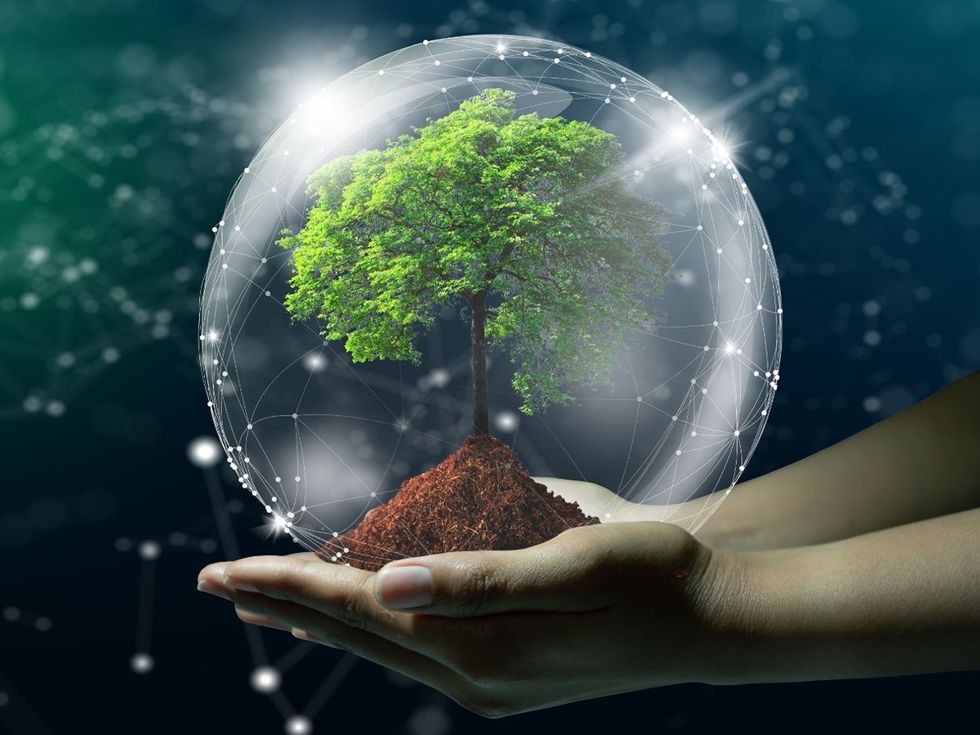 Hands hold a tree in digital globe.Image via Canva - Photo by Peach_iStock
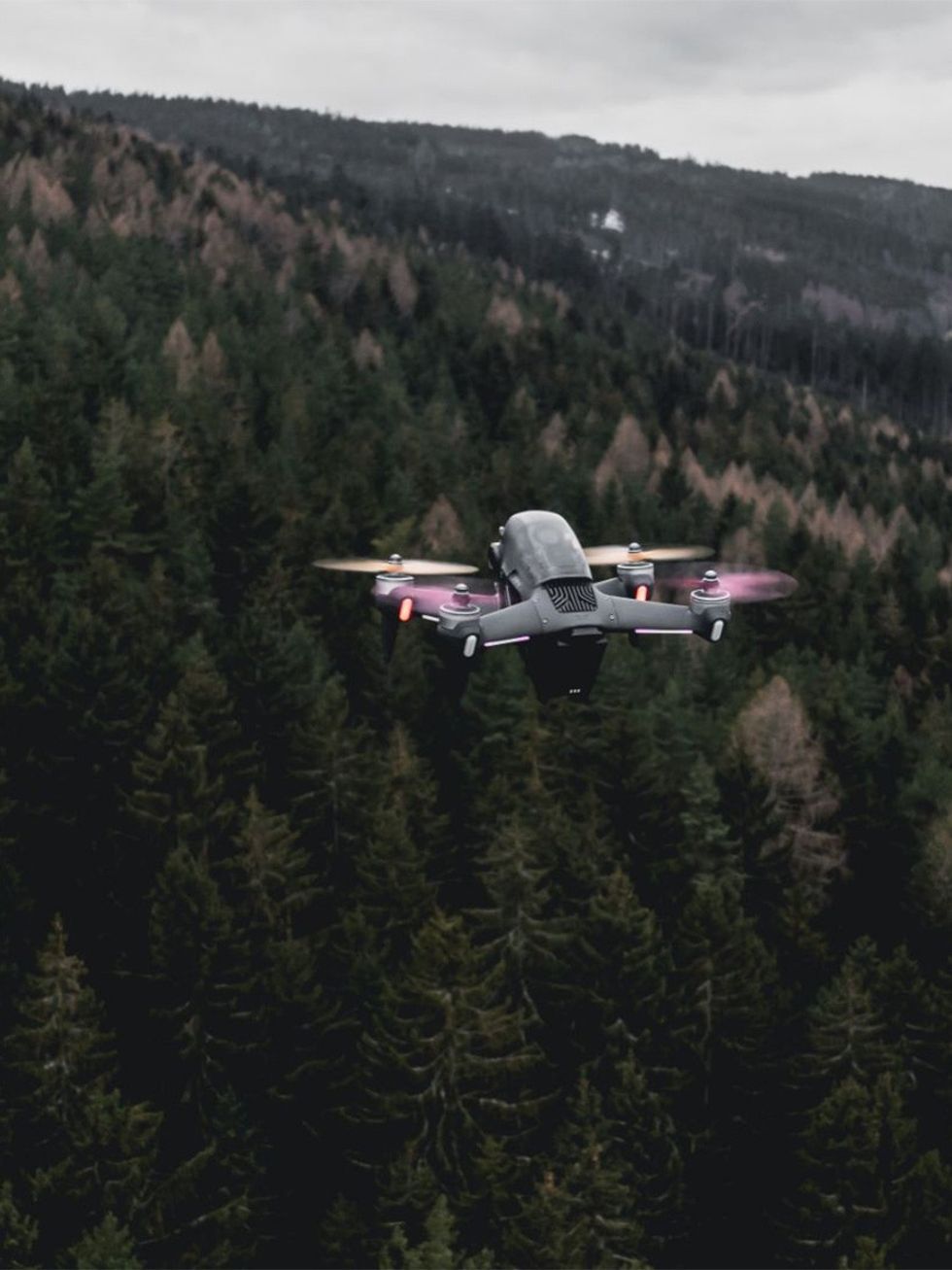 Drone over forest.Image via Canva - Photo by Justin Wolfert
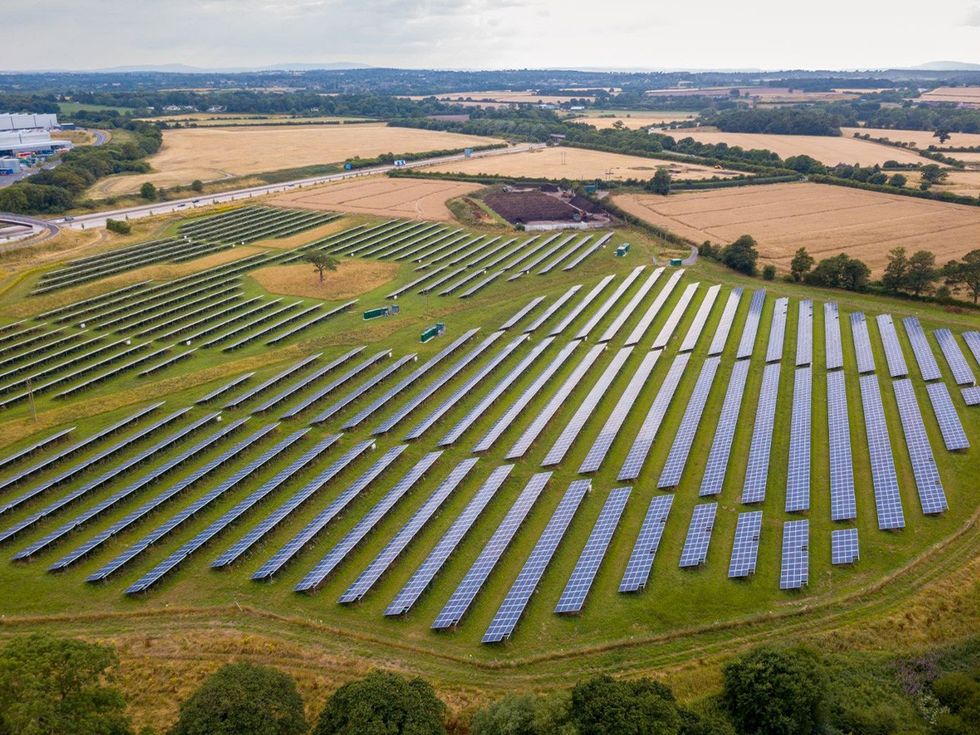 Solar power farm.Image via Canva - Photo by leonard78uk
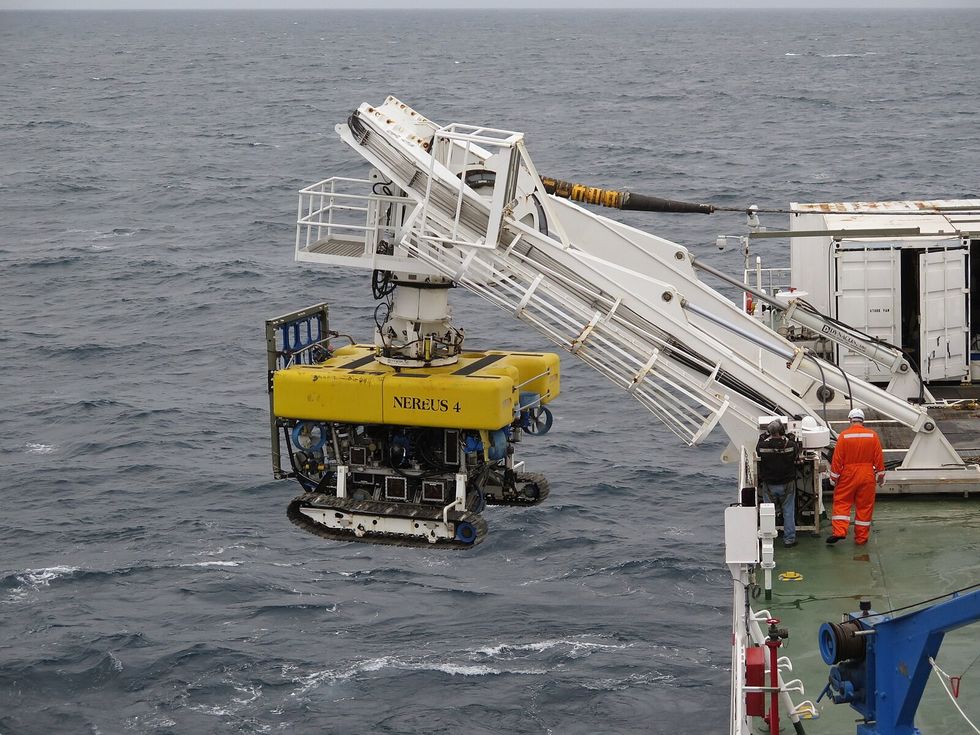 Launching the underwater robot from the CS Responder.Image via Wikimedia Commons under the Creative Commons
