






About 2,300 miles east of Florida, near an underwater mountain range, lies a unique site teeming with microscopic life. Known as the "Lost City Hydrothermal Field," it stretches along the Mid-Atlantic Ridge, 2,600 feet beneath the ocean’s surface. Coated in calcium deposits, the area has a haunting beauty, with towering carbonate structures and calcite vents that host rare microorganisms feeding on hot gases. Discovered in 2000 by researchers from the University of Washington and the Woods Hole Oceanographic Institution (WHOI), this vent system offers fascinating insights into the possible origins of life.
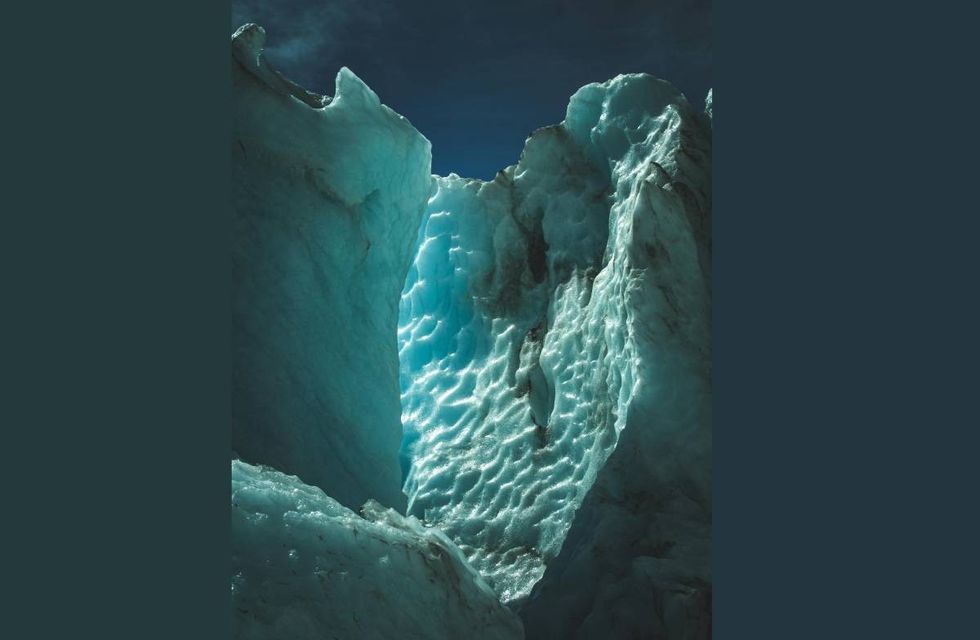 Representative Image Source: Pexels | Francesco Ungaro
“This new venting system, called Lost City was unlike any place ever previously visited. Investigation of this site is changing our views not only about the conditions under which life can thrive on our planet but on others as well,” NOAA writes on its website. The “Lost City” is the longest-lived venting environment known in the ocean. The city is sprinkled with natural rocky sculptures that range in height anywhere from tiny stacks the size of toadstools to a grand monolith standing 60 meters (nearly 200 feet) tall and named “Poseidon."
In this bizarre city, for millions of years, chemical reactions have been going on between the mantle rocks and the seawater. The reaction spews out enormous quantities of gases like hydrogen and methane into the ocean. These gases act like food for the microbial residents who survive and thrive in the cracks and crevices of the field's vents.
The most interesting thing is that hydrocarbons here are formed not by atmosphere or sunlight, but by these reactions occurring on the seafloor, that release the gases trapped inside rocks. These microscopic organisms have learned to survive in hostile environments, even without oxygen. They derive some energy from seawater and some from hydrocarbons. “It’s the closest thing to a free lunch the universe provides,” microbiologist William Brazelton told The Smithsonian. This fascinating mechanism could provide some groundbreaking insights into the origin of life.
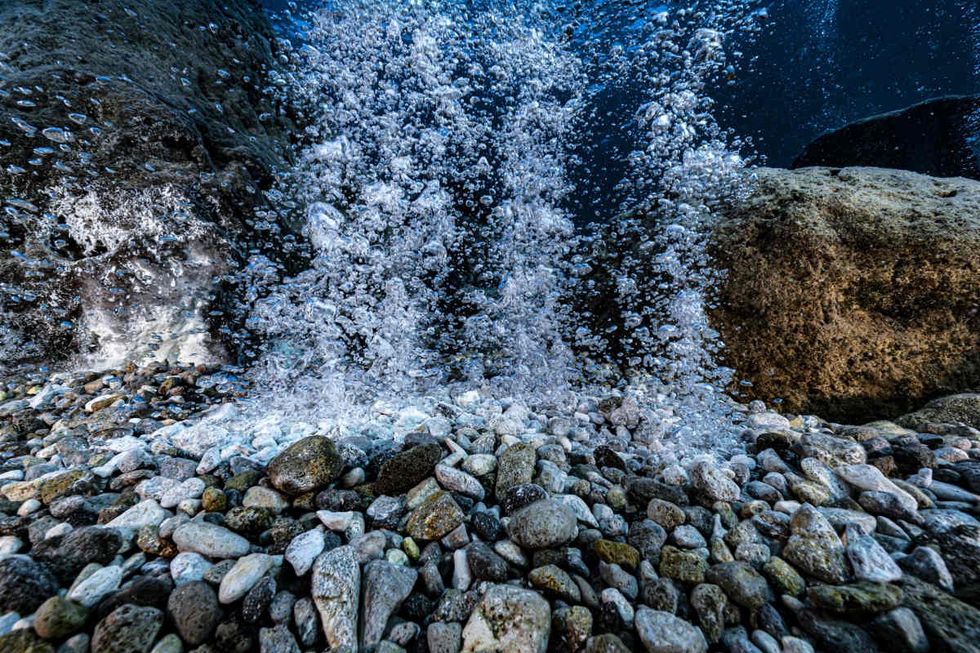 Representative Image Source: Observation of a gas eruption under the Panarea volcanic island on September 8, 2018. (Photo by Alexis Rosenfeld/Getty Images)
At the tops of the rocky towers, there are hot chimneys, inside of which reside colonies of nano-sized creatures like snails and crustaceans. In some places, there are considerably large-sized animals such as crabs, shrimp, sea urchins, and eels.
The waters rolling inside the Lost City generally carry a temperature around 200°F, which is cooler than the fluids found in the black smokers because it is not heated by magma; rather, the heat comes from serpentinization, a chemical reaction between seawater and mantle rock. “The reaction between the rock and seawater produces 10 to 100 times more hydrogen and methane (a hydrocarbon) than a typical black smoker system found along volcanic mid-ocean ridges,” as Giora Proskurowski and Deborah Kelley, two authors of a paper in the February issue of the journal Science, explained.
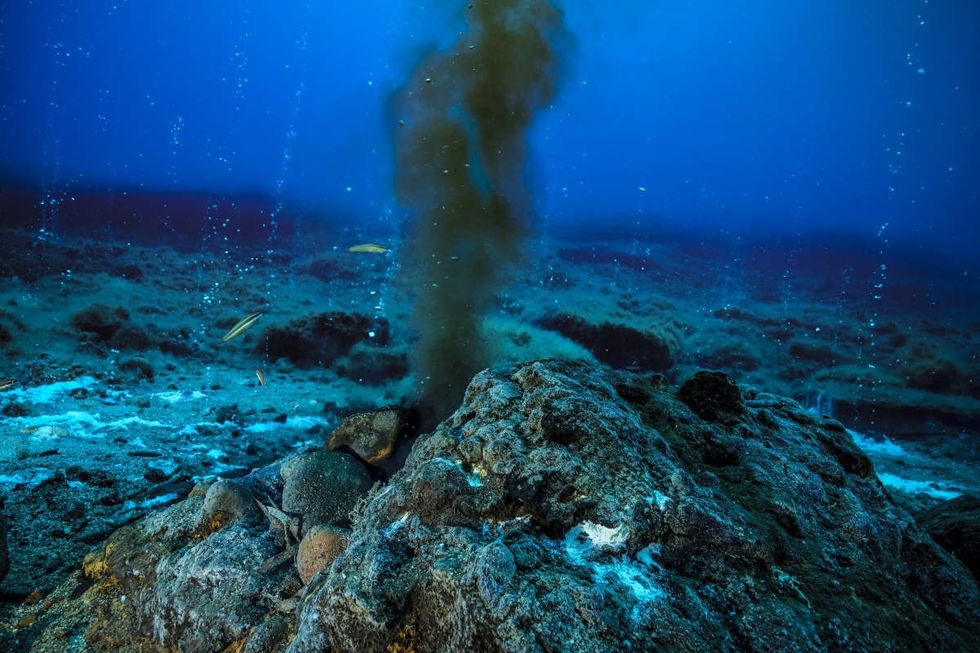 Representative Image Source: Observation of a grey smoker of the Panarea volcanic island on May 31, 2022, in the Mediterranean Sea. (Photo by Alexis Rosenfeld/Getty Images)
Unlike black smokers, which are underwater volcanic jets, the Lost City’s ecosystem doesn’t depend on the formation of magma. Plus, the calcite vents of Lost City have survived longer than any other like it in the world.
Since hydrocarbons are the building blocks that gave birth to life, the discovery of life in this strange habitat of 'Lost City' indicates the possibility that there might be life somewhere else humans have never expected. If a similar kind of habitat is there on Earth, or even on some other planet, it is possible that microscopic life could survive there as well. "This is an example of a type of ecosystem that could be active on Enceladus or Europa right this second," Brazelton told The Smithsonian, referring to the moons of Saturn and Jupiter. "And maybe Mars in the past." Proskurowski also proclaimed, "The detection of these organic building blocks from a non-biological source is possible evidence in our quest to understand the origin of life on this planet and other solar bodies,” per WHOI.
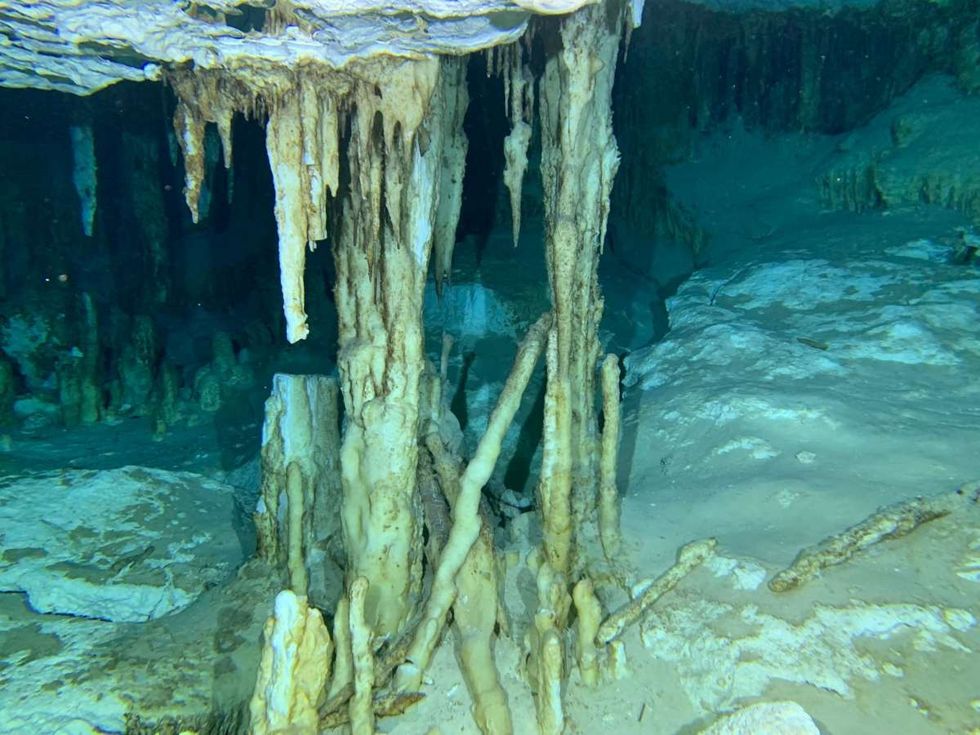 Representative Image Source: Pexels | Francisco Davids
Meanwhile, just northeast of these towers, researchers arrived at a cliffside. According to ScienceAlert, they described the vents here as 'weeping' with fluid to produce "clusters of delicate, multi-pronged carbonate growths that extend outward like the fingers of upturned hands." After the initial discovery of the Lost City, researchers went back there once more in 2003 for a 19-day expedition using the 3-person submersible Alvin, where numerous samples of rocks, fluids, and biology were recorded for analysis.
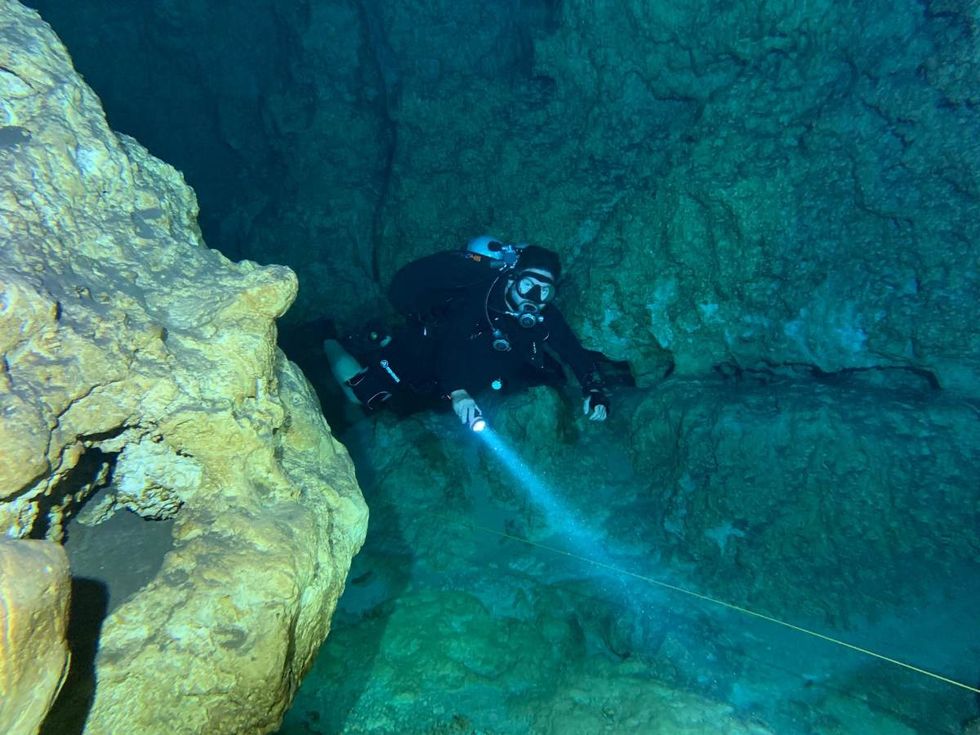 Representative Image Source: Pexels | Francisco Davids
In 2018, when Poland won the rights to mine the deep sea around Lost City, some scientists warned that there could be dire consequences. Any plumes of toxic gases or ejection of radioactive materials released during the mining could easily trigger the destruction of this city’s magnificent habitat. Some scientists even urged the higher officials to list the Lost City as a World Heritage site, to protect the natural wonder before it's too late.









 Bees feeding on food source.Image via
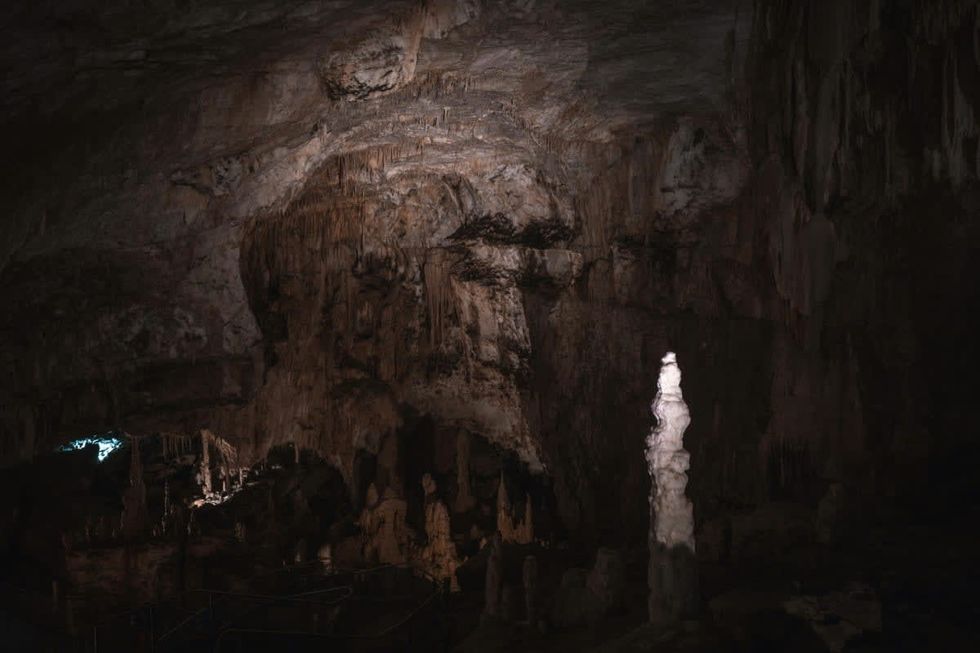 In the depths...Pexels | francesco ungaro
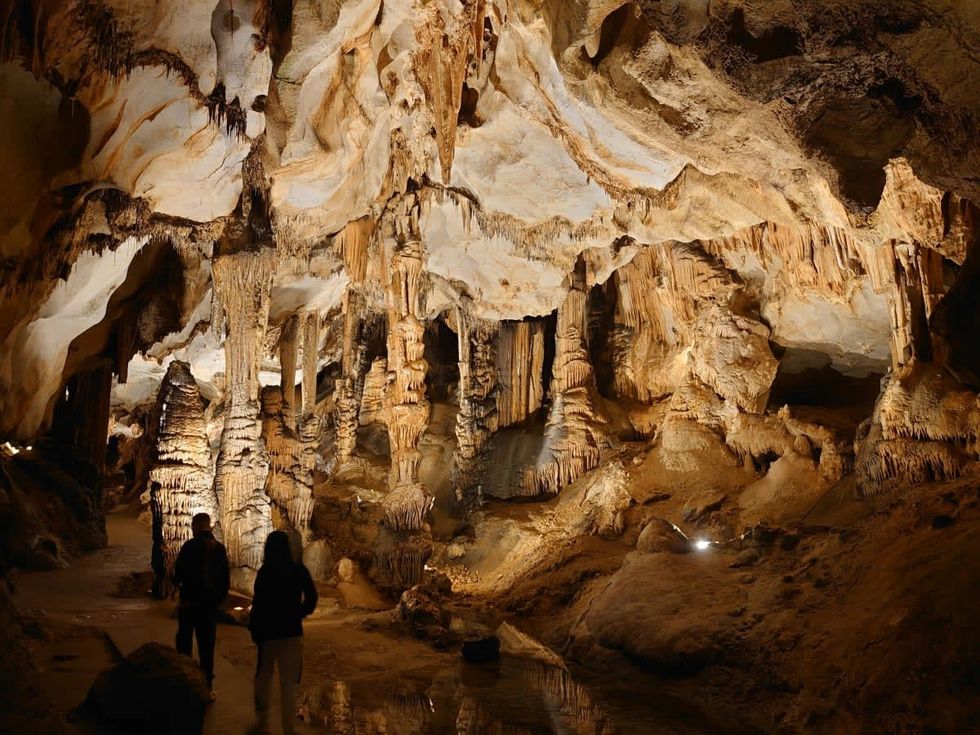 Hope the lights stay on. Pexels | parfait fongang
 "That was beyond crazy..." YouTube |
  "This is the stuff of my nightmares..."YouTube |
  "Totally blown away..." YouTube |
 A representative Image of The Atlantic Ocean. Source: Pexels | Kellie Churchman
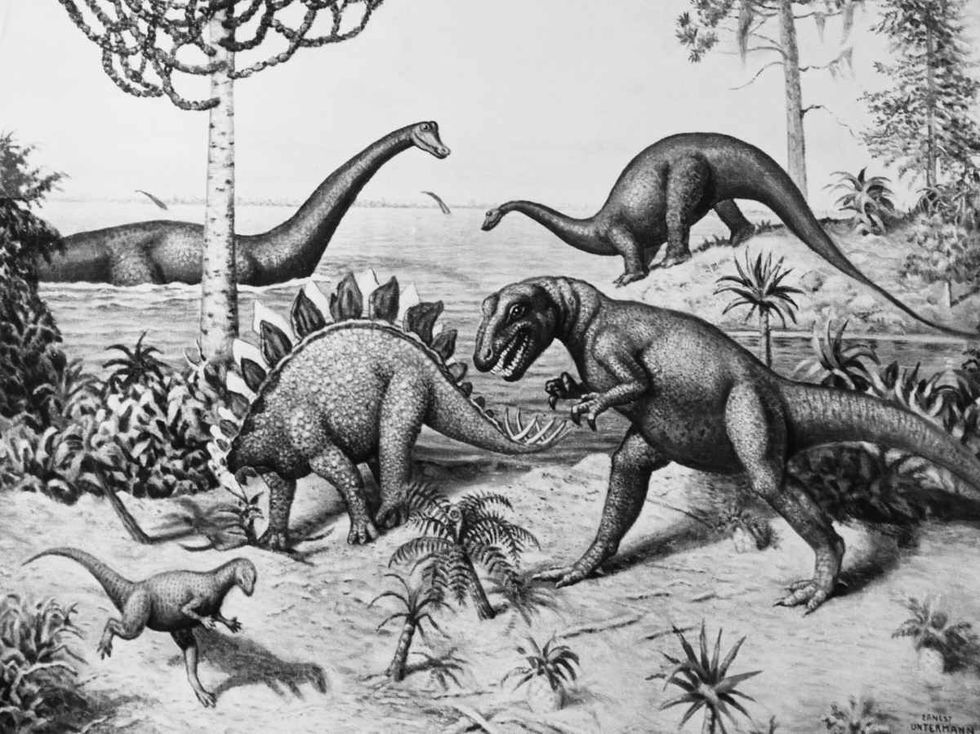 Representative Image Source: Painting from a series by Ernest Untermann in the museum at Dinosaur National Monument, Utah.
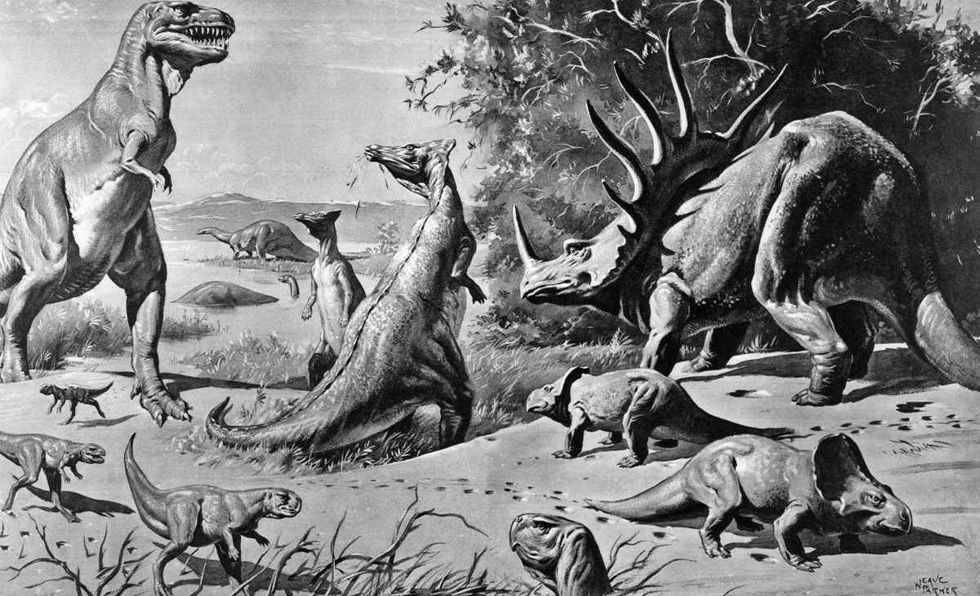 Representative Image Source: VARIOUS DINOSAURS IN GOBI DESERT. Photo by H. Armstrong Roberts/ClassicStock/Getty Images
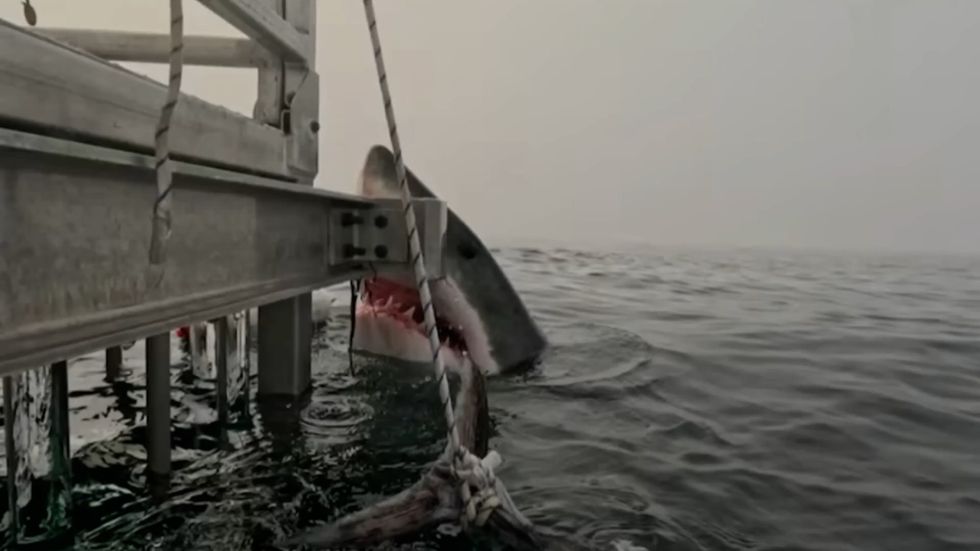 Great white shark pokes its head above water.Image pulled from YouTube video - Photo taken by Geraldine Fernandez
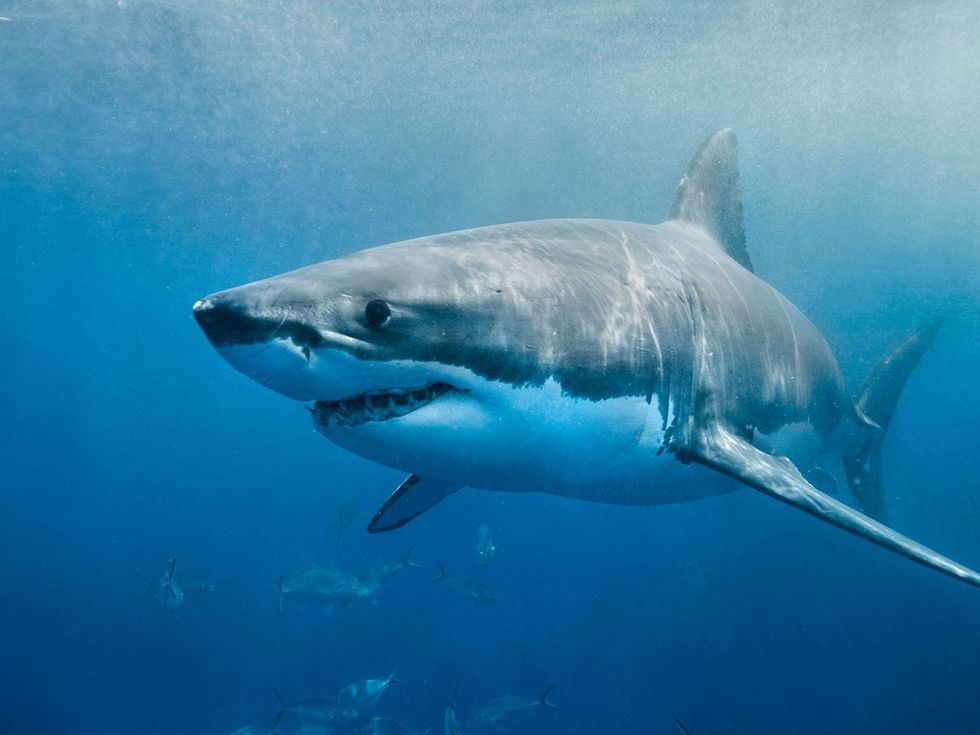 Great white shark swims in the ocean.Image via Canva - Photo by lindsay_imagery
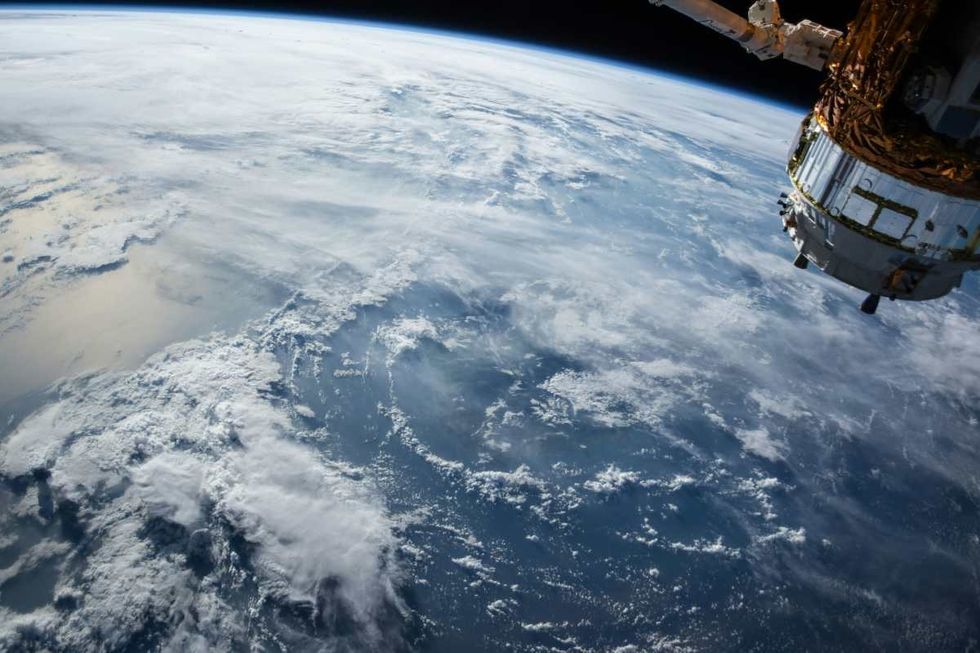 Representative Image Source: Unsplash | NASA
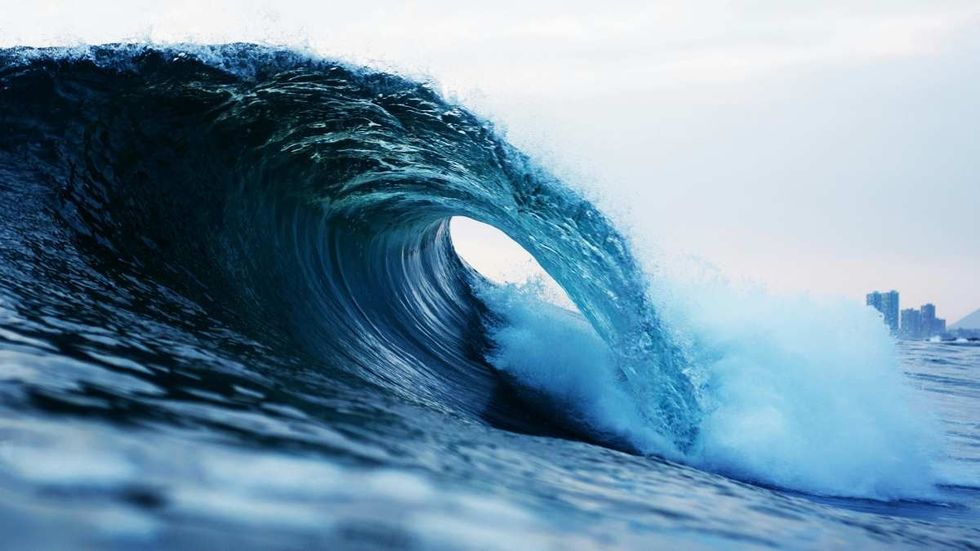 Representative Image Source: Pexels | Earano
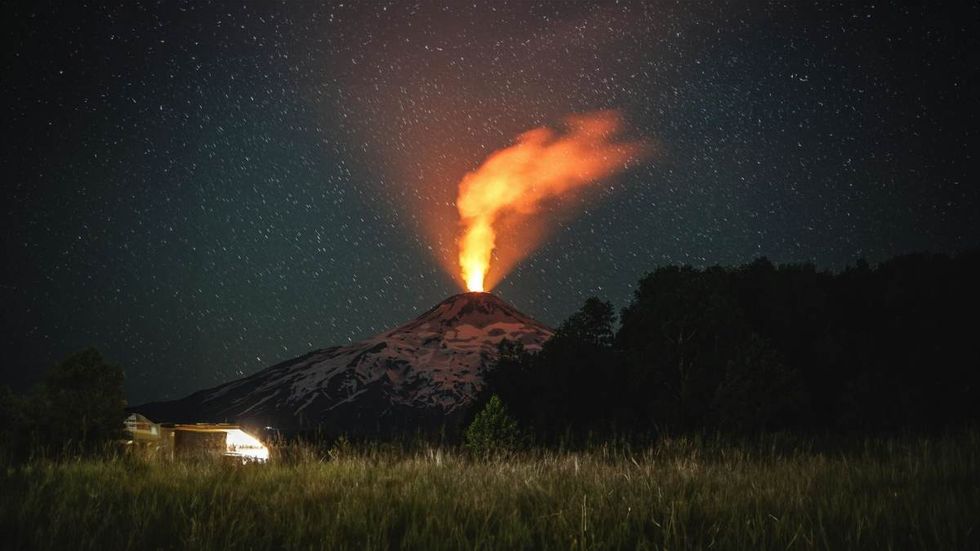 Representative Image Source: Pexels | Mauro Ignacio Torres
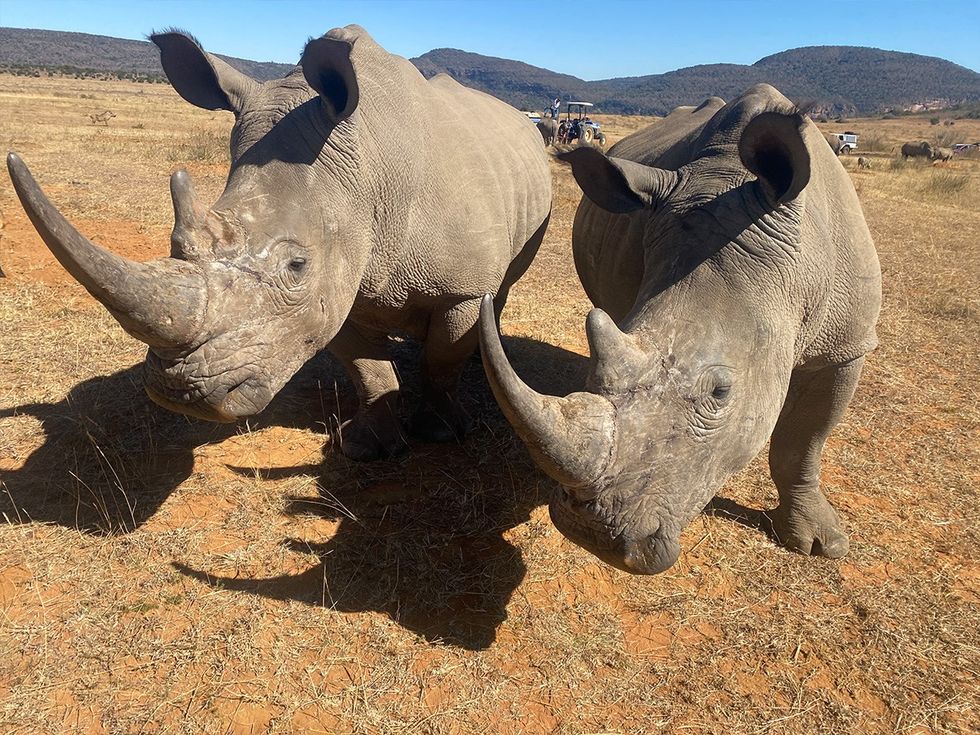 Two rhinos i the Waterberg Mountains of South Africa.Image via IAEA
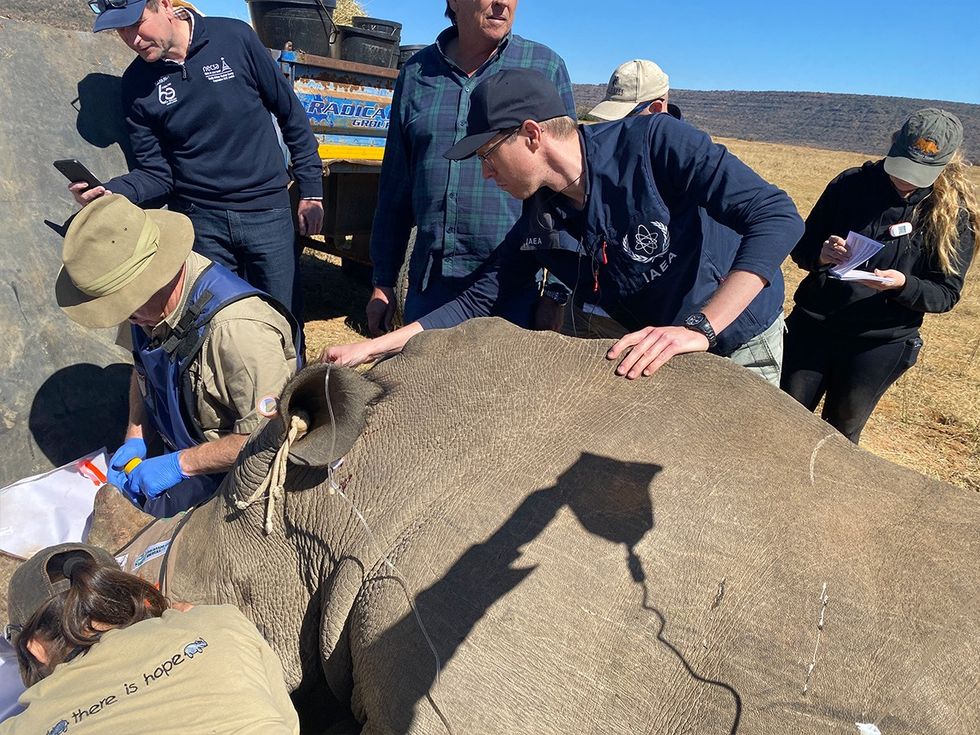 Isotope injection of rhino at the Rhino Orphanage in South Africa.Image via IAEA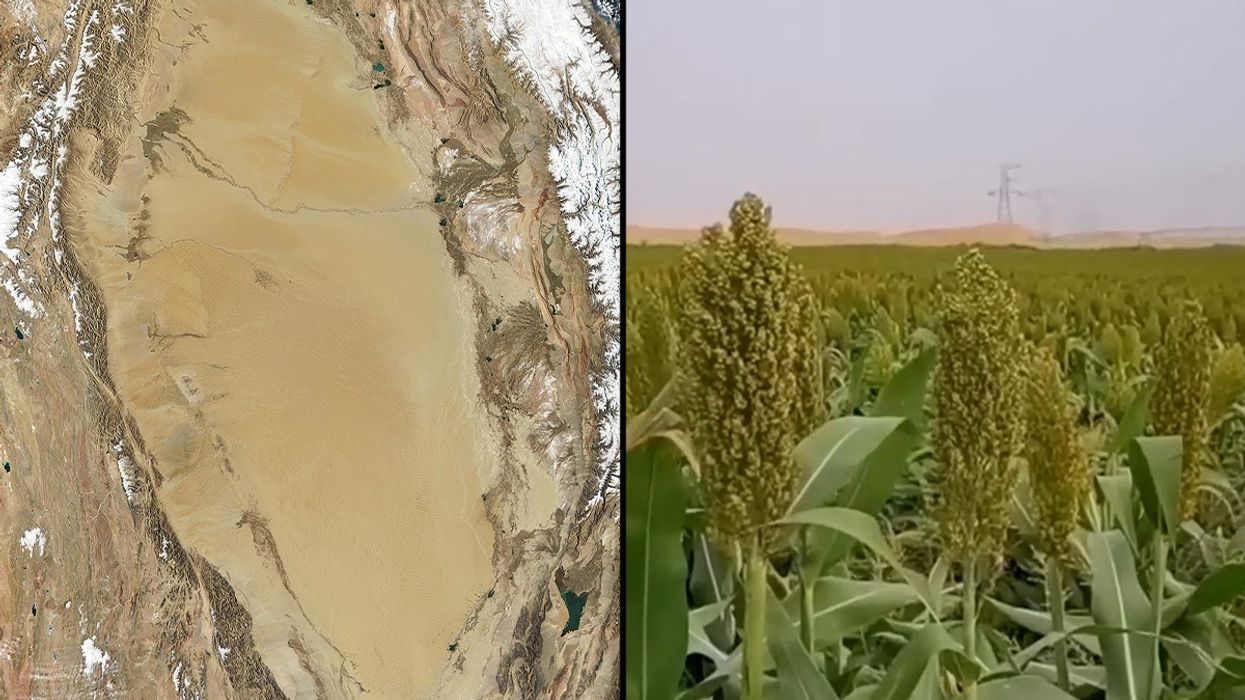
 Climate change around the world.Image via Canva - Photo by piyaset
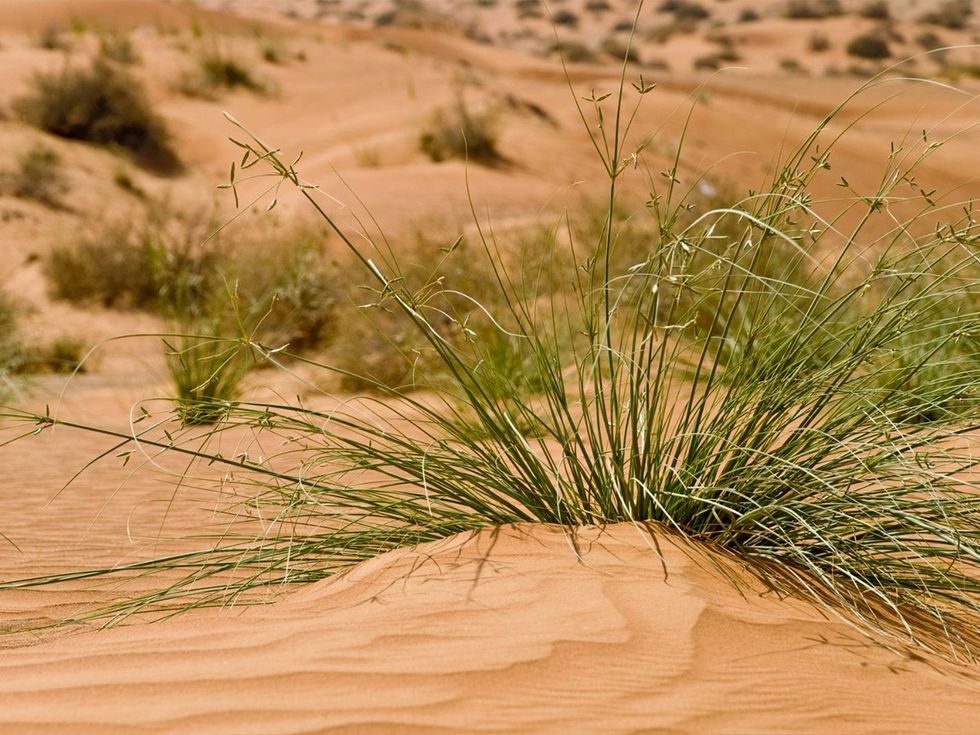 Desert grass.Image via Canva - Photo by clearandtransparent
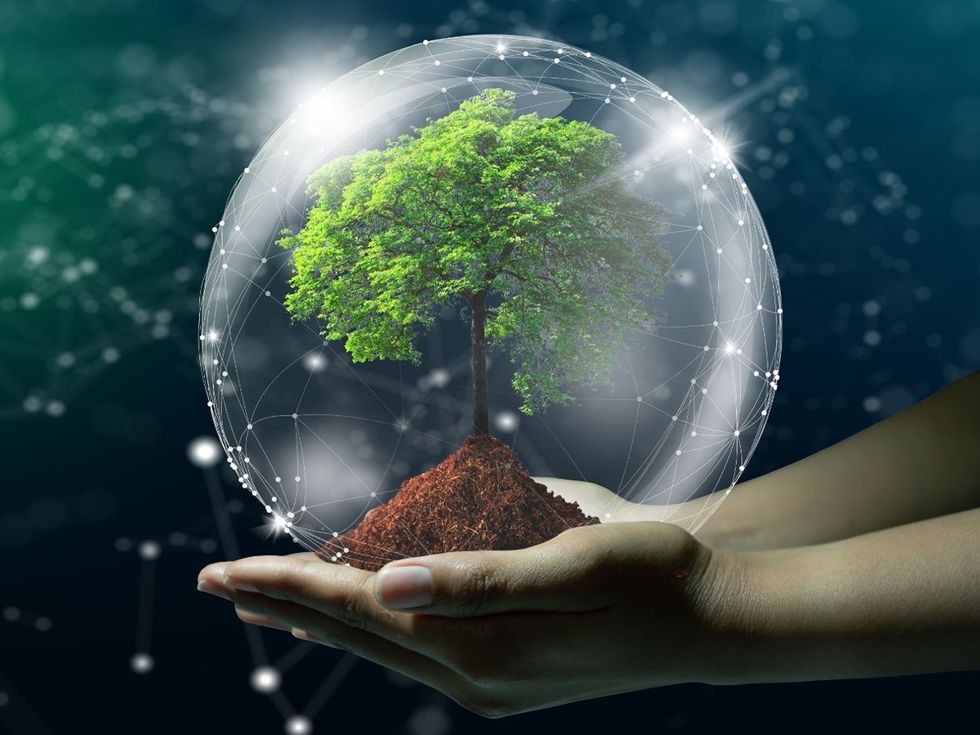 Hands hold a tree in digital globe.Image via Canva - Photo by Peach_iStock
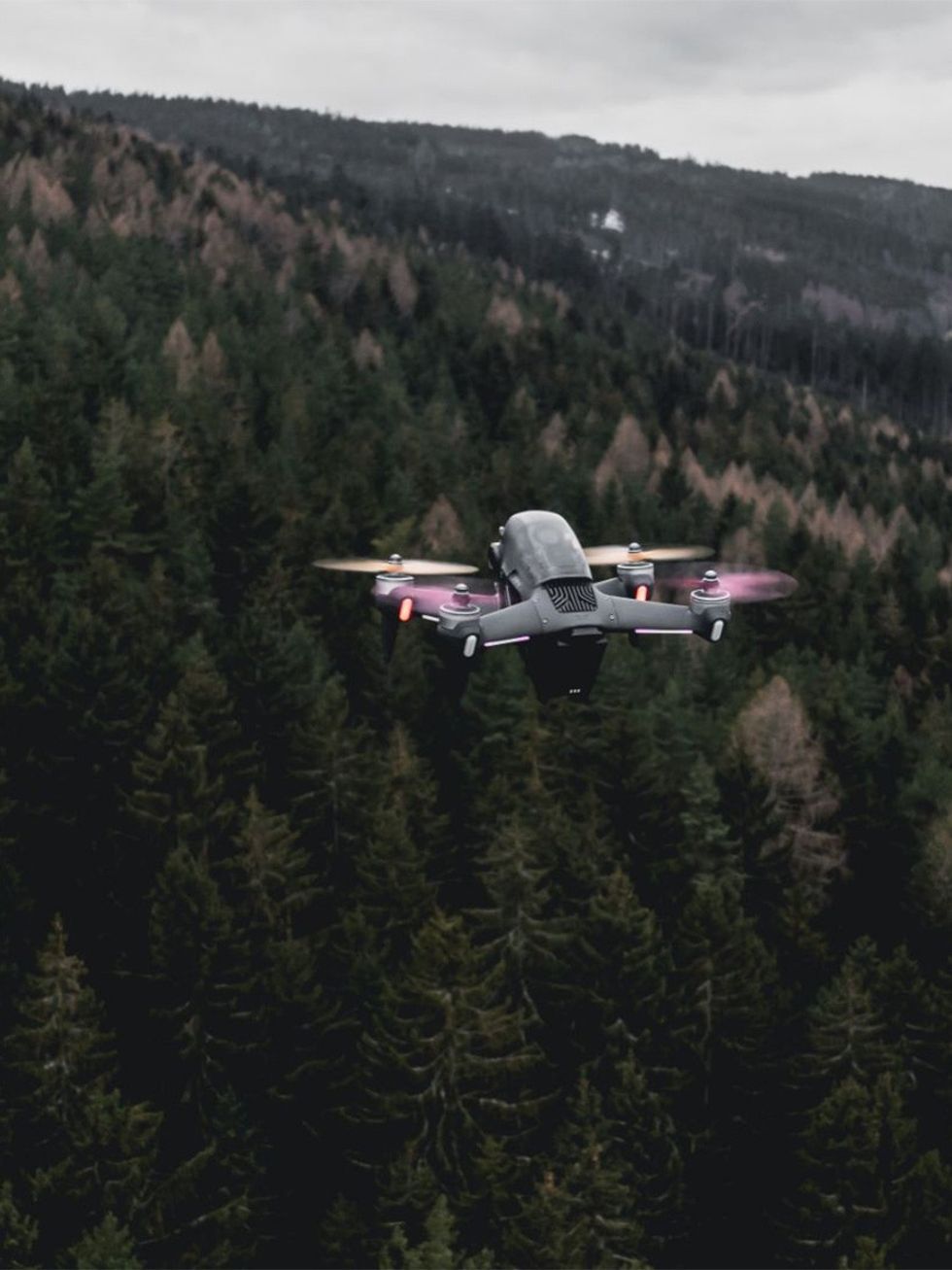 Drone over forest.Image via Canva - Photo by Justin Wolfert
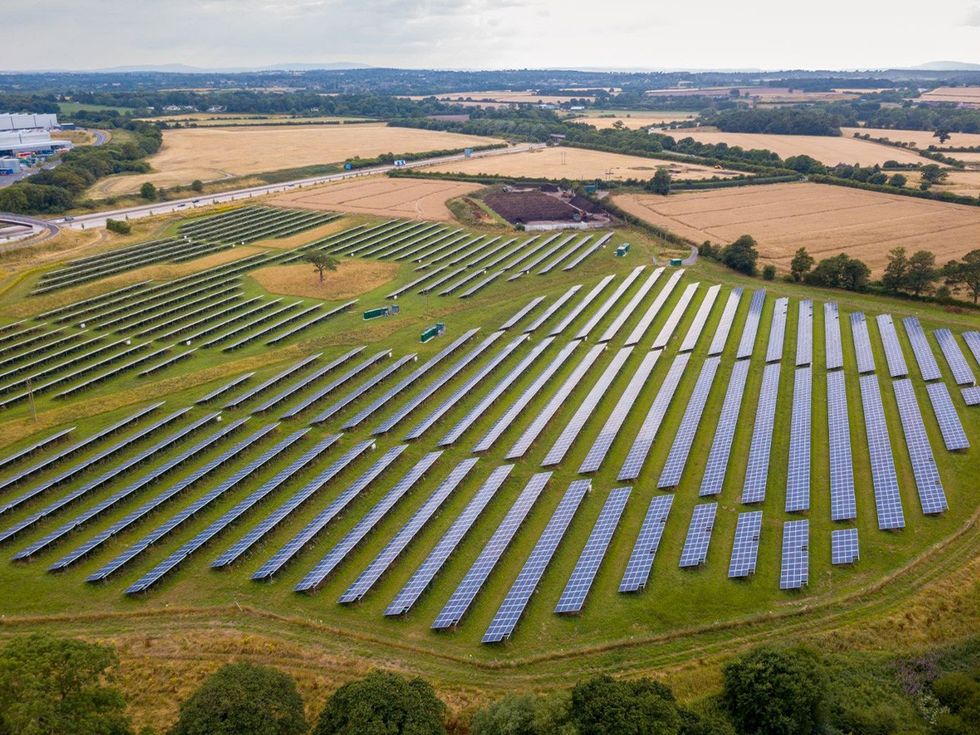 Solar power farm.Image via Canva - Photo by leonard78uk
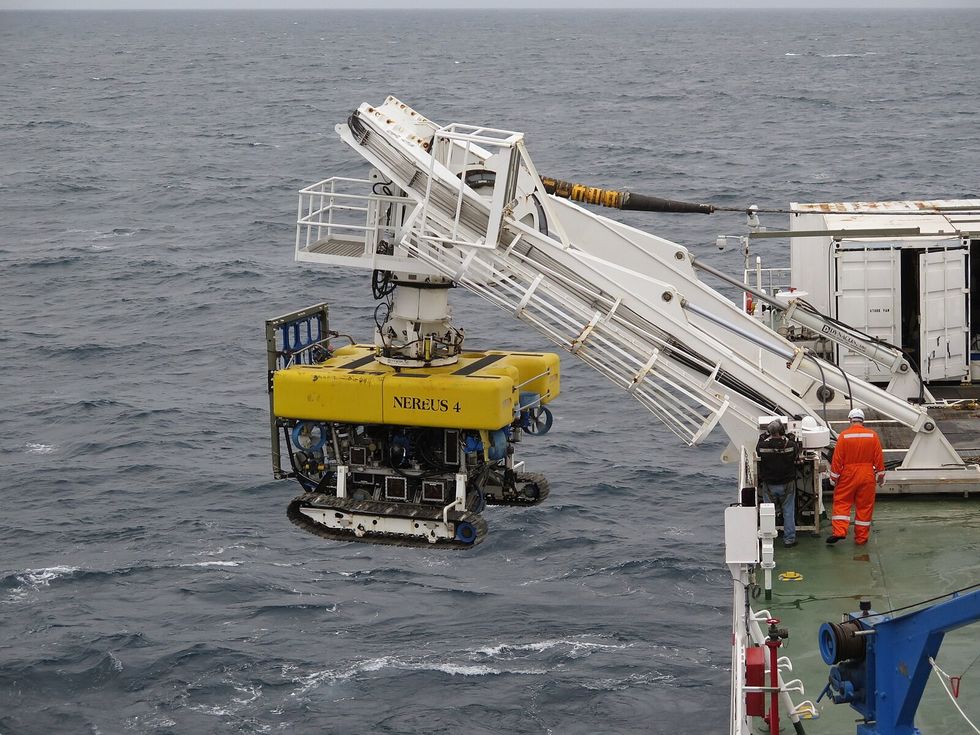 Launching the underwater robot from the CS Responder.Image via Wikimedia Commons under the Creative Commons